Steering with Confidence: The Essential Guide to Tie Rod Ends, Steering Racks, and Alignment Mastery
Every turn of the wheel is a conversation between driver and machine, a silent dialogue of precision and trust. At the heart of this interaction lies the steering system, a complex network of components that ensures your vehicle responds flawlessly to your commands. Among these, tie rod ends and steering racks play a pivotal role, acting as the critical link between your hands on the wheel and the wheels on the road. When these components wear out or fail, the consequences can range from annoying vibrations to dangerous loss of control. Understanding their function, recognizing the signs of wear, and knowing when to seek professional intervention can make the difference between a smooth drive and a costly, or even catastrophic, failure.
The Anatomy of Control: Tie Rod Ends and Steering Racks
The steering system in most modern vehicles is a marvel of engineering, designed to translate the rotational motion of the steering wheel into the lateral movement of the wheels. At the core of this system is the steering rack, a gearbox that converts the circular motion of the steering column into the linear motion needed to turn the wheels. Connected to the steering rack are the tie rod ends, which act as the final link in the chain, transmitting this motion to the wheels while allowing for vertical movement as the suspension compresses and rebounds.
Tie rod ends are essentially ball-and-socket joints, designed to provide flexibility and durability under constant stress. Over time, however, the protective boot that seals the joint can crack or tear, allowing dirt, moisture, and debris to infiltrate. This contamination accelerates wear, leading to excessive play in the joint, which manifests as loose or imprecise steering. Similarly, the steering rack itself can suffer from internal wear, particularly in the gears and seals, resulting in leaks, stiffness, or a lack of responsiveness. Both components are subjected to immense forces, especially during sharp turns or when navigating rough terrain, making their maintenance non-negotiable for safe driving.
Recognizing the Warning Signs
Like many automotive components, tie rod ends and steering racks rarely fail without warning. The key to preventing a breakdown—or worse, an accident—is to recognize the early signs of trouble and address them promptly. One of the most common symptoms of a failing tie rod end is a persistent clunking or knocking noise when turning the wheel, particularly over bumps or uneven surfaces. This noise is often accompanied by a noticeable looseness in the steering, where the wheel feels vague or disconnected from the vehicle’s direction. In some cases, you may also feel vibrations through the steering wheel, especially at higher speeds, as the worn joint struggles to maintain a stable connection.
Steering rack issues, on the other hand, often present as fluid leaks beneath the vehicle, typically near the front wheels. These leaks are usually power steering fluid, which is essential for smooth and effortless steering. If the fluid level drops too low, you may notice increased resistance when turning the wheel, or even a whining noise from the power steering pump as it struggles to circulate fluid. Another red flag is uneven tire wear, particularly on the inner or outer edges of the front tires. This occurs when the steering rack’s alignment is compromised, causing the wheels to toe in or out excessively. Ignoring these symptoms can lead to a complete loss of steering control, a scenario no driver wants to experience.
The Role of Wheel Alignment in Steering Precision
Even with perfectly functioning tie rod ends and steering racks, your vehicle’s handling can still suffer if the wheels are not properly aligned. Wheel alignment refers to the adjustment of the angles at which the tires make contact with the road, ensuring they are parallel to each other and perpendicular to the ground. Proper alignment is crucial for several reasons: it maximizes tire life, improves fuel efficiency, and most importantly, ensures predictable and stable handling. When alignment is off, even slightly, it can cause the vehicle to pull to one side, require constant correction from the driver, or lead to uneven tire wear that shortens the lifespan of your tires.
Alignment issues often arise from everyday driving conditions. Hitting a pothole, curb, or speed bump at high speed can knock the wheels out of alignment, as can minor accidents or even normal wear and tear over time. The symptoms of misalignment are often subtle at first—a slight drift to one side, a steering wheel that sits off-center when driving straight, or tires that squeal during turns. However, if left unaddressed, these minor annoyances can escalate into more serious problems, such as accelerated tire wear or strain on the steering and suspension components. Regular alignment checks, typically recommended every 6,000 miles or after any significant impact, can help catch these issues early and keep your vehicle tracking straight and true.
When to Seek Professional Help
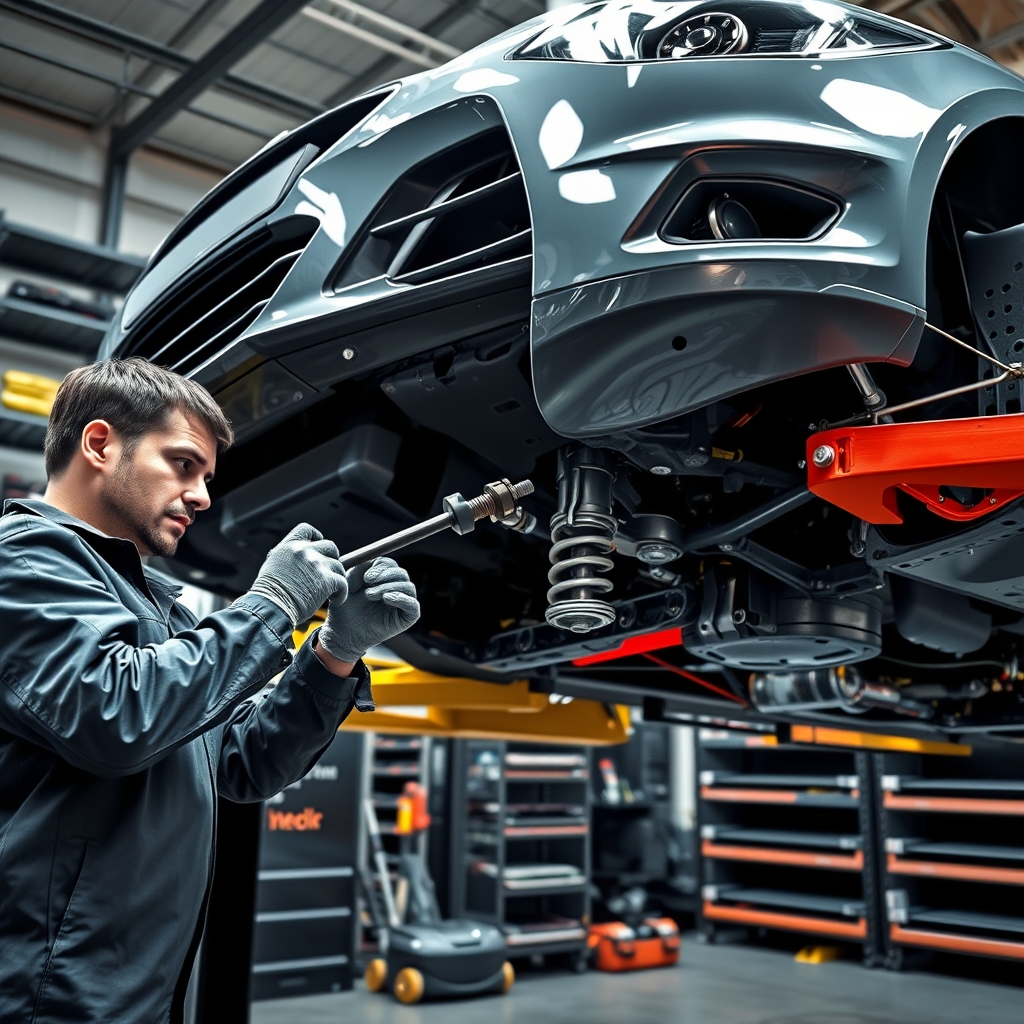
While some automotive repairs can be tackled by DIY enthusiasts, tie rod end replacement, steering rack repair, and wheel alignment are best left to professionals. These tasks require specialized tools, precise measurements, and a deep understanding of vehicle dynamics to ensure they are performed correctly. For example, replacing a tie rod end involves not only removing the old component but also ensuring the new one is installed with the correct torque specifications and that the wheel alignment is adjusted afterward. Similarly, steering rack repairs often require disassembling the rack, replacing worn seals or gears, and reassembling it with exacting precision to prevent leaks or play in the system.
Wheel alignment, too, is a job for the experts. Modern alignment machines use laser-guided sensors and computer software to measure the angles of the wheels with incredible accuracy. These machines can detect even the slightest deviation from the manufacturer’s specifications, allowing technicians to make precise adjustments that restore optimal handling. Attempting to align your wheels at home with makeshift tools is not only ineffective but can also lead to further misalignment, exacerbating the problem rather than solving it. When it comes to these critical components, investing in professional service is an investment in your safety and the longevity of your vehicle.
Upgrading for Performance and Longevity
For those who demand more from their vehicles—whether for spirited driving, track days, or simply a more engaging daily commute—upgrading the steering and suspension components can yield significant benefits. Performance tie rod ends, for example, are often made from higher-grade materials like heat-treated steel or aluminum, offering greater strength and durability than their stock counterparts. These upgraded components can reduce flex and play in the steering system, providing sharper response and more direct feedback to the driver. Similarly, aftermarket steering racks with quicker ratios can reduce the number of turns required to go from lock to lock, making the vehicle feel more agile and responsive.
Pairing these upgrades with a high-quality wheel alignment service can further enhance the driving experience. Performance alignments often involve adjusting the camber, caster, and toe angles beyond the factory specifications to optimize handling for specific driving conditions. For instance, a slight increase in negative camber can improve cornering grip, while a more aggressive toe setting can enhance turn-in response. However, these adjustments must be made carefully, as excessive changes can lead to uneven tire wear or unpredictable handling. Consulting with a suspension specialist who understands the nuances of performance driving can help you strike the right balance between responsiveness and longevity.
Driving should be an experience of confidence and control, where every input from the driver translates seamlessly into motion on the road. The components that make this possible—tie rod ends, steering racks, and wheel alignment—are often overlooked until something goes wrong. Yet, they are the unsung heroes of your vehicle’s dynamics, working tirelessly behind the scenes to keep you safe and in command. By staying attuned to the signs of wear, investing in professional maintenance, and considering upgrades when the time is right, you can ensure that your vehicle remains a responsive and reliable partner on every journey. Whether navigating city streets or carving through winding backroads, the difference between a good drive and a great one often comes down to the details—and few details are as critical as the ones that keep your wheels pointed exactly where you want them to go.