
Beyond the Bumps: How Suspension System Repairs and Upgrades Enhance Safety and Performance
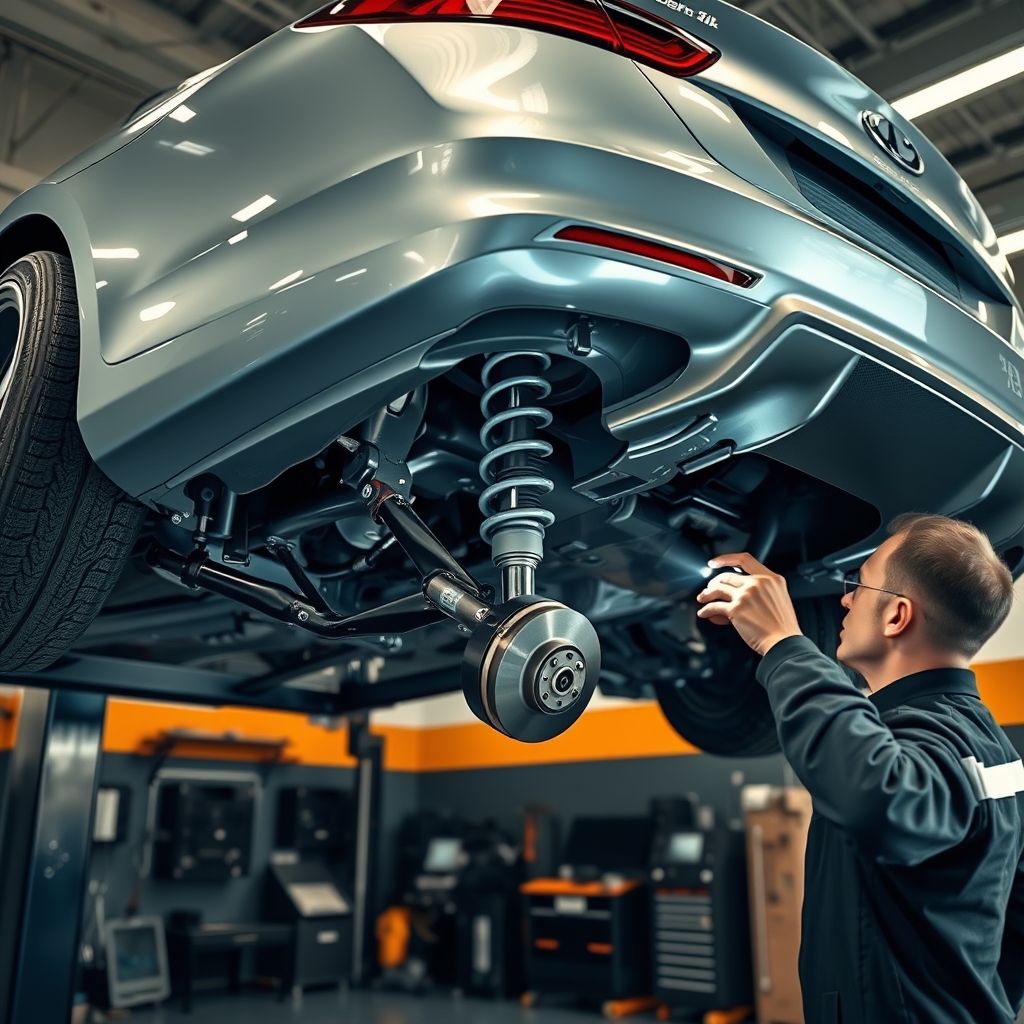
The modern automotive suspension system is a marvel of engineering, designed to do far more than just smooth out the ride. It’s the unsung hero that ensures your vehicle remains stable, responsive, and safe, whether you’re navigating a pothole-riddled city street or carving through a winding mountain road. Yet, despite its critical role, the suspension system is often overlooked until something goes wrong. From worn-out shock absorbers to misaligned wheels, neglecting these components can lead to a cascade of issues that compromise both performance and safety. Understanding the intricacies of suspension repairs and upgrades isn’t just for car enthusiasts—it’s essential knowledge for any driver who values control, comfort, and longevity in their vehicle.
The Anatomy of a Suspension System: More Than Meets the Eye
At its core, the suspension system is a complex network of components working in harmony to absorb shocks, maintain tire contact with the road, and provide a stable platform for steering and braking. Key players in this system include shock absorbers, struts, control arms, ball joints, tie rod ends, and sway bars, each serving a unique purpose. Shock absorbers, for instance, dampen the oscillations of the springs, preventing your car from bouncing uncontrollably after hitting a bump. Struts, on the other hand, combine the functions of a shock absorber and a structural component, often supporting the weight of the vehicle. Meanwhile, control arms and ball joints act as pivot points, allowing the wheels to move up and down while maintaining proper alignment. When any of these components wear out or fail, the entire system’s performance is compromised, leading to poor handling, uneven tire wear, and even safety hazards.
When to Suspect Suspension Trouble: Common Warning Signs
Your vehicle will often give you subtle (or not-so-subtle) hints when something is amiss with the suspension. One of the most common red flags is a rough or bumpy ride, which may indicate worn-out shock absorbers or struts. If your car feels like it’s bouncing excessively after hitting a bump, it’s a sign that the dampening function of these components is no longer effective. Another telltale sign is uneven tire wear, which can result from misaligned wheels or failing suspension parts like ball joints or tie rod ends. Drivers may also notice their vehicle pulling to one side, a symptom that could point to alignment issues or a failing steering rack. Unusual noises, such as clunks, squeaks, or rattles from the undercarriage, should never be ignored, as they often signal loose or damaged components like sway bar links or suspension bushings. Addressing these issues early can prevent more extensive—and expensive—repairs down the road.
Essential Suspension Repairs: Restoring Performance and Safety
When suspension problems arise, timely repairs are crucial to maintaining your vehicle’s performance and safety. One of the most common repairs is shock absorber replacement, which is typically recommended every 50,000 to 100,000 miles, depending on driving conditions. Worn shocks not only degrade ride quality but also increase stopping distances and reduce overall stability. Another frequent repair is wheel alignment service, which ensures that your tires meet the road at the correct angle. Misalignment can lead to uneven tire wear, poor handling, and increased stress on suspension components. For vehicles with independent suspension systems, control arm assembly repairs or replacements may be necessary if the bushings or ball joints wear out. These components are critical for maintaining proper wheel movement and alignment, and neglecting them can lead to catastrophic failure.
Upgrading Your Suspension: Balancing Comfort and Performance
While repairs are essential for maintaining your vehicle’s original performance, suspension upgrades can take your driving experience to the next level. For enthusiasts looking to enhance handling and reduce body roll, performance lowering springs or coilover kits are popular choices. Lowering springs reduce the vehicle’s center of gravity, improving cornering stability and giving the car a more aggressive stance. However, it’s important to note that lowering a vehicle can also reduce ground clearance and may require additional modifications, such as sway bar link kits, to maintain balance. Another upgrade worth considering is suspension bushing upgrades, which replace the factory rubber bushings with polyurethane or solid alternatives. These upgrades reduce flex in the suspension, providing sharper handling and more precise steering feedback. For those seeking the ultimate in comfort and adjustability, an air suspension conversion offers the ability to raise or lower the vehicle at the touch of a button, though this comes with higher maintenance requirements and costs.
DIY vs. Professional Repairs: Knowing Your Limits
While some suspension repairs and upgrades can be tackled by experienced DIYers, others are best left to professionals. Simple tasks like wheel balancing service or replacing sway bar links can often be done at home with basic tools, but more complex jobs, such as strut assembly replacement or steering rack repair, require specialized equipment and expertise. For instance, compressing coil springs during a strut replacement can be extremely dangerous if not done correctly, as the springs store a tremendous amount of energy. Similarly, diagnosing undercarriage noise often requires a lift and a keen ear to pinpoint the exact source of the problem. When in doubt, consulting a professional mechanic or suspension specialist can save time, money, and potential headaches. Additionally, many suspension upgrades, such as air suspension conversions or independent suspension tuning, require precise calibration and alignment to ensure optimal performance and safety.
The Long-Term Benefits of Suspension Maintenance
Investing in suspension repairs and upgrades isn’t just about immediate improvements in ride quality or handling—it’s about protecting your vehicle’s long-term health and your safety on the road. A well-maintained suspension system reduces stress on other components, such as tires, brakes, and steering systems, extending their lifespan and saving you money in the long run. It also ensures that your vehicle remains predictable and responsive, even in challenging driving conditions. Whether you’re driving a daily commuter, a weekend track car, or an off-road adventure vehicle, the suspension system plays a pivotal role in how your car performs and feels. By staying proactive with maintenance and considering thoughtful upgrades, you can transform your driving experience from merely functional to truly exceptional, where every turn, every stop, and every mile feels like it was designed just for you.