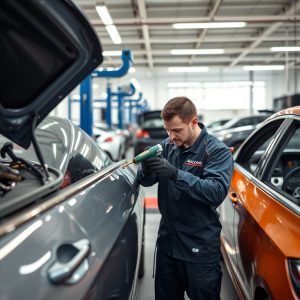
The Future of Collision Repair: How Electric Vehicle Body Work and Advanced Materials Are Reshaping Auto Shops
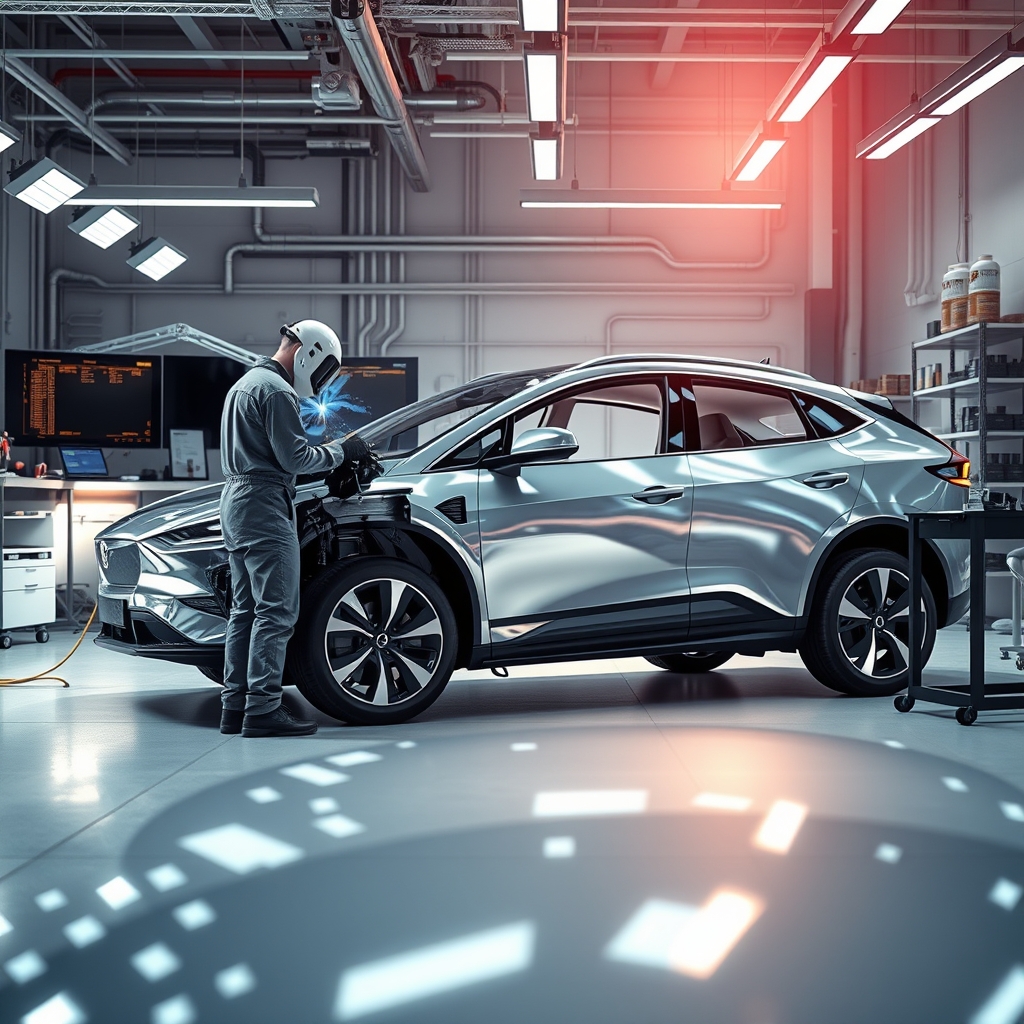
As the automotive industry accelerates toward an electric future, collision repair shops are facing a wave of transformative challenges and opportunities. The rise of electric vehicles (EVs) has introduced new materials, structural designs, and safety considerations that demand a rethinking of traditional repair techniques. From high-strength aluminum alloys to carbon fiber composites, modern vehicles are built with lightweight yet durable materials that require specialized expertise. Meanwhile, the integration of advanced driver-assistance systems (ADAS) and battery packs adds layers of complexity to even the most routine repairs. The collision repair industry is no longer just about fixing dents and scratches—it’s about mastering a new era of automotive technology.
The Unique Challenges of Electric Vehicle Body Repair
Electric vehicles are fundamentally different from their internal combustion counterparts, and these differences extend far beyond the powertrain. EV manufacturers prioritize weight reduction to maximize battery efficiency, leading to widespread adoption of aluminum, carbon fiber, and other advanced composites. While these materials enhance performance and range, they also present unique repair challenges. Aluminum, for example, requires specialized welding techniques and corrosion prevention measures to maintain structural integrity. Carbon fiber, on the other hand, often necessitates complete panel replacement rather than traditional repair methods due to its brittle nature.
Beyond material considerations, EVs introduce electrical and thermal hazards that collision repair technicians must navigate. High-voltage battery systems can pose serious safety risks if damaged, requiring shops to invest in insulated tools, protective gear, and specialized training. Additionally, the placement of battery packs—often integrated into the vehicle’s floor or frame—means that even minor collisions can result in costly and time-consuming repairs. As EV adoption grows, collision repair shops must adapt by investing in new equipment, certifications, and workflows to handle these complexities safely and efficiently.
Advanced Materials and Their Impact on Collision Repair
The shift toward lightweight materials isn’t exclusive to EVs—it’s a trend sweeping the entire automotive industry. High-strength steel, aluminum, and magnesium alloys are now common in modern vehicles, each requiring distinct repair techniques. For instance, aluminum body panels demand precision welding methods, such as friction stir welding or fiber laser welding, to avoid warping or weakening the metal. Meanwhile, magnesium components, often used in structural reinforcements, require careful handling due to their flammability and susceptibility to corrosion.
Another game-changer in collision repair is the growing use of structural adhesives. Unlike traditional spot welding, adhesives distribute stress more evenly across joints, improving crash safety and durability. However, this shift means technicians must master new application techniques and curing processes to ensure repairs meet manufacturer specifications. The rise of these advanced materials is pushing collision repair shops to adopt cutting-edge tools, such as laser frame alignment systems and 3D scanning technology, to achieve factory-level precision in every repair.
The Role of Smart Repair Systems in Modern Auto Shops
As vehicles become more complex, the demand for efficient, cost-effective repair solutions has led to the rise of smart repair systems. These technologies allow technicians to address minor damage—such as scratches, dents, and bumper scuffs—without the need for full panel replacement or extensive repainting. Paintless dent removal (PDR), for example, has evolved with the use of robotic arms and computerized mapping systems to restore panels with unparalleled accuracy. Similarly, advanced clear coat scratch repair techniques now leverage UV-curable fillers and precision polishing to achieve seamless results.
Smart repair systems aren’t just about aesthetics—they also play a crucial role in preserving a vehicle’s structural integrity. By minimizing the need for invasive repairs, these techniques help maintain the original factory finish and reduce the risk of long-term issues like corrosion or misalignment. For EV owners, this is particularly important, as even minor damage can compromise the vehicle’s aerodynamics and battery efficiency. As smart repair technologies continue to advance, they’re becoming an indispensable part of the modern collision repair toolkit.
Ceramic Coatings and Corrosion Prevention: Protecting the Future of Automotive Finishes
With the increasing use of lightweight materials, corrosion prevention has become a top priority in collision repair. Aluminum and magnesium alloys, while strong and lightweight, are highly susceptible to oxidation if not properly protected. This is where advanced ceramic coatings come into play. Unlike traditional waxes or sealants, ceramic coatings form a chemical bond with the vehicle’s paint, creating a durable, hydrophobic barrier that resists UV damage, chemical stains, and environmental contaminants.
For collision repair shops, applying ceramic coatings isn’t just about enhancing a vehicle’s appearance—it’s about extending its lifespan. A high-quality ceramic coating can protect a vehicle’s finish for years, reducing the need for frequent touch-ups and repainting. This is especially valuable for EVs, where maintaining a flawless exterior can help preserve resale value and aerodynamic efficiency. As the industry continues to embrace these protective technologies, collision repair shops are expanding their service offerings to include ceramic coating application as a standard post-repair treatment.
The Future of Collision Repair: Innovation and Adaptation
The collision repair industry is at a crossroads, where traditional craftsmanship meets cutting-edge technology. The rise of electric vehicles, advanced materials, and smart repair systems is forcing auto shops to evolve at an unprecedented pace. Shops that embrace these changes—by investing in training, equipment, and certifications—will be well-positioned to thrive in this new era. Meanwhile, those that resist may find themselves struggling to keep up with the demands of modern vehicle repair.
For vehicle owners, this evolution means better, faster, and more durable repairs. Whether it’s a minor scratch or a major collision, the latest advancements in collision repair technology ensure that vehicles can be restored to their original condition—if not better. As the industry continues to innovate, one thing is clear: the future of collision repair is not just about fixing cars—it’s about redefining what’s possible in automotive restoration.