
The Science Behind Smooth Rides: How Shock Absorbers and Strut Assemblies Shape Your Drive
Every driver knows the difference between a ride that glides effortlessly over pavement and one that jolts with every imperfection in the road. The secret to that smooth, controlled experience lies beneath the vehicle, in the often-overlooked components of the suspension system. Among these, shock absorbers and strut assemblies play a pivotal role, working silently to ensure that your journey is not just comfortable, but also safe and responsive. Understanding how these components function—and when they need attention—can transform the way you think about vehicle maintenance and performance.
The Role of Shock Absorbers in Vehicle Dynamics
Shock absorbers are the unsung heroes of the suspension system, tasked with managing the kinetic energy generated by the up-and-down motion of your vehicle’s wheels. When you hit a bump or dip in the road, the wheels move vertically, compressing the suspension springs. Without shock absorbers, the springs would continue to oscillate, causing the vehicle to bounce uncontrollably. Shock absorbers dampen these oscillations by converting kinetic energy into thermal energy, which is then dissipated as heat. This process ensures that the tires maintain consistent contact with the road, improving traction, handling, and overall stability.
Over time, shock absorbers wear out due to constant exposure to heat, friction, and the elements. Signs of failing shocks include excessive bouncing after hitting a bump, uneven tire wear, longer stopping distances, and a noticeable dip in the vehicle’s nose during braking. Ignoring these symptoms can lead to a compromised driving experience, increased wear on other suspension components, and even safety risks, particularly in emergency maneuvers or on wet roads.
Strut Assemblies: More Than Just a Shock Absorber
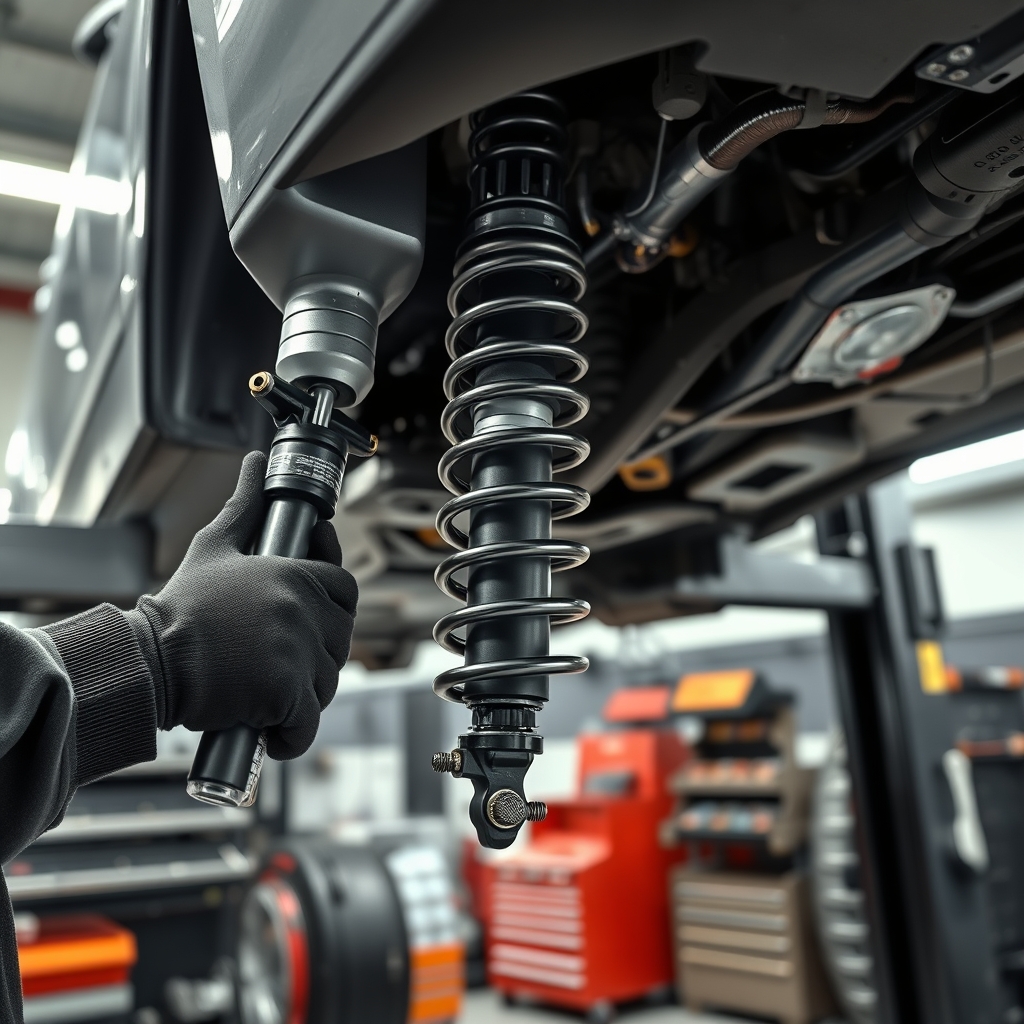
While shock absorbers and struts may seem similar, they serve distinct purposes in a vehicle’s suspension system. A strut assembly is a structural component that integrates the shock absorber with other elements, such as the coil spring, upper mount, and sometimes the steering knuckle. Unlike standalone shock absorbers, struts are a critical part of the vehicle’s suspension geometry, influencing wheel alignment, ride height, and steering response. They are commonly found in the front suspension of many modern vehicles, particularly those with MacPherson strut designs.
Replacing a strut assembly is a more involved process than swapping out a shock absorber. Because struts are load-bearing components, they require careful installation to ensure proper alignment and suspension geometry. A worn or damaged strut can lead to a host of issues, including misaligned wheels, uneven tire wear, poor handling, and even structural damage to the vehicle’s chassis over time. Drivers may notice symptoms such as clunking noises over bumps, a drifting sensation while driving, or a harsh, uncomfortable ride. Addressing these issues promptly not only restores comfort but also preserves the integrity of the vehicle’s suspension system.
When to Consider Upgrades: Performance and Comfort
For enthusiasts and everyday drivers alike, upgrading shock absorbers and strut assemblies can unlock new levels of performance and comfort. Performance-oriented shocks, such as those designed for sport or track use, offer stiffer damping rates to reduce body roll and improve cornering stability. On the other hand, heavy-duty or off-road shocks are built to withstand rough terrain, providing better articulation and durability. Similarly, aftermarket strut assemblies can be tailored to specific driving needs, whether it’s lowering the vehicle for a sportier stance or improving load-carrying capacity for trucks and SUVs.
Upgrading these components isn’t just about aesthetics or handling—it’s about customizing the driving experience to match your lifestyle. For example, a daily commuter might opt for comfort-focused shocks that smooth out highway imperfections, while an off-road adventurer would prioritize durability and articulation. Regardless of the choice, investing in high-quality replacements or upgrades ensures that the suspension system performs optimally, extending the lifespan of other components like tires, bushings, and ball joints.
DIY vs. Professional Replacement: What You Need to Know
Replacing shock absorbers or strut assemblies is a task that many DIY enthusiasts tackle, but it’s not without its challenges. For shock absorbers, the process typically involves removing the old unit, compressing the spring (if applicable), and installing the new shock. However, strut assemblies are more complex due to their structural role. Installing a strut requires precise alignment, torque specifications, and often specialized tools like a spring compressor. Mistakes during installation can lead to misalignment, uneven tire wear, or even catastrophic failure while driving.
For those without experience or the necessary tools, professional installation is highly recommended. A qualified technician can ensure that the job is done correctly, including performing a wheel alignment after installation to prevent premature tire wear. Additionally, professionals can inspect other suspension components, such as control arms, sway bar links, and bushings, to identify any potential issues before they become major problems. While DIY projects can be rewarding, the suspension system is one area where precision and expertise make a significant difference in safety and performance.
Maintaining Your Suspension for Long-Term Performance
Regular maintenance is key to preserving the longevity and performance of your vehicle’s suspension system. In addition to replacing worn shock absorbers and struts, it’s important to inspect other components like bushings, ball joints, and tie rod ends for signs of wear. These parts work in tandem to ensure smooth handling and stability, and neglecting one can lead to premature failure of others. For example, worn bushings can cause excessive play in the suspension, leading to misalignment and uneven tire wear, while failing ball joints can compromise steering control and safety.
Routine inspections, such as checking for leaks in shock absorbers, listening for unusual noises during turns or over bumps, and monitoring tire wear patterns, can help catch issues early. Many drivers overlook these subtle signs until they become major problems, but a proactive approach to suspension maintenance can save time, money, and frustration in the long run. Whether you’re driving a high-performance sports car, a rugged off-roader, or a family sedan, the suspension system is the foundation of a smooth, safe, and enjoyable ride.
Understanding the critical role of shock absorbers and strut assemblies is just the beginning. These components are the bridge between the road and your vehicle, translating every bump, turn, and brake into a controlled, predictable experience. By giving them the attention they deserve—whether through timely replacements, thoughtful upgrades, or regular maintenance—you’re not just improving your ride; you’re enhancing every moment behind the wheel, turning even the most mundane commute into a journey worth savoring.