
The Hidden Science of Auto Body Filler: Crafting Perfection in Modern Collision Repair
In the world of collision repair, few processes are as misunderstood—or as critical—as the application of auto body filler. Often dismissed as a simple step in the repair process, the science behind body filler is a blend of chemistry, precision, and artistry that ensures vehicles not only look flawless but also maintain their structural integrity. Modern auto body shops rely on advanced filler materials and techniques to restore vehicles to their pre-accident condition, making this an essential skill in the toolkit of any collision repair professional.
The Chemistry Behind Auto Body Filler
Auto body filler, commonly known as Bondo (a brand name that has become synonymous with the product), is a two-part compound consisting of a resin and a hardener. When mixed, these components undergo a chemical reaction that transforms the filler from a pliable paste into a rigid, durable material. The key to a successful repair lies in the precise ratio of resin to hardener, as well as the environmental conditions during application. Too much hardener can cause the filler to cure too quickly, leading to cracks or weak spots, while too little can result in a soft, unfinished surface that won’t hold up over time.
Modern fillers are engineered to be lightweight, sandable, and resistant to shrinking, ensuring they bond seamlessly with the vehicle’s metal or composite panels. Some advanced formulations even include fiberglass or aluminum particles for added strength, making them ideal for repairing larger dents or areas where structural integrity is a concern. The evolution of filler technology has made it possible to achieve repairs that are virtually undetectable, even under the scrutiny of high-gloss paint finishes.
Precision Application: The Art of Flawless Repairs
Applying auto body filler is far more than just spreading a paste over a dent. It requires a deep understanding of surface preparation, mixing techniques, and the physics of how filler behaves during curing. The first step in any repair is thorough surface preparation. The damaged area must be cleaned, sanded, and free of rust, paint, or contaminants that could compromise adhesion. Many technicians use a grinder or sanding disc to create a rough surface, which helps the filler bond more effectively to the metal.
Once the surface is prepared, the filler is mixed and applied in thin layers. Each layer must be allowed to cure before the next is added, a process that can take anywhere from a few minutes to half an hour, depending on the product and environmental conditions. Skilled technicians use a variety of tools, including plastic spreaders, metal applicators, and even their hands (protected by gloves) to shape the filler to match the contours of the vehicle. The goal is to achieve a surface that is smooth and level with the surrounding panel, requiring minimal sanding once the filler has fully cured.
The Role of Sanding in Achieving Perfection
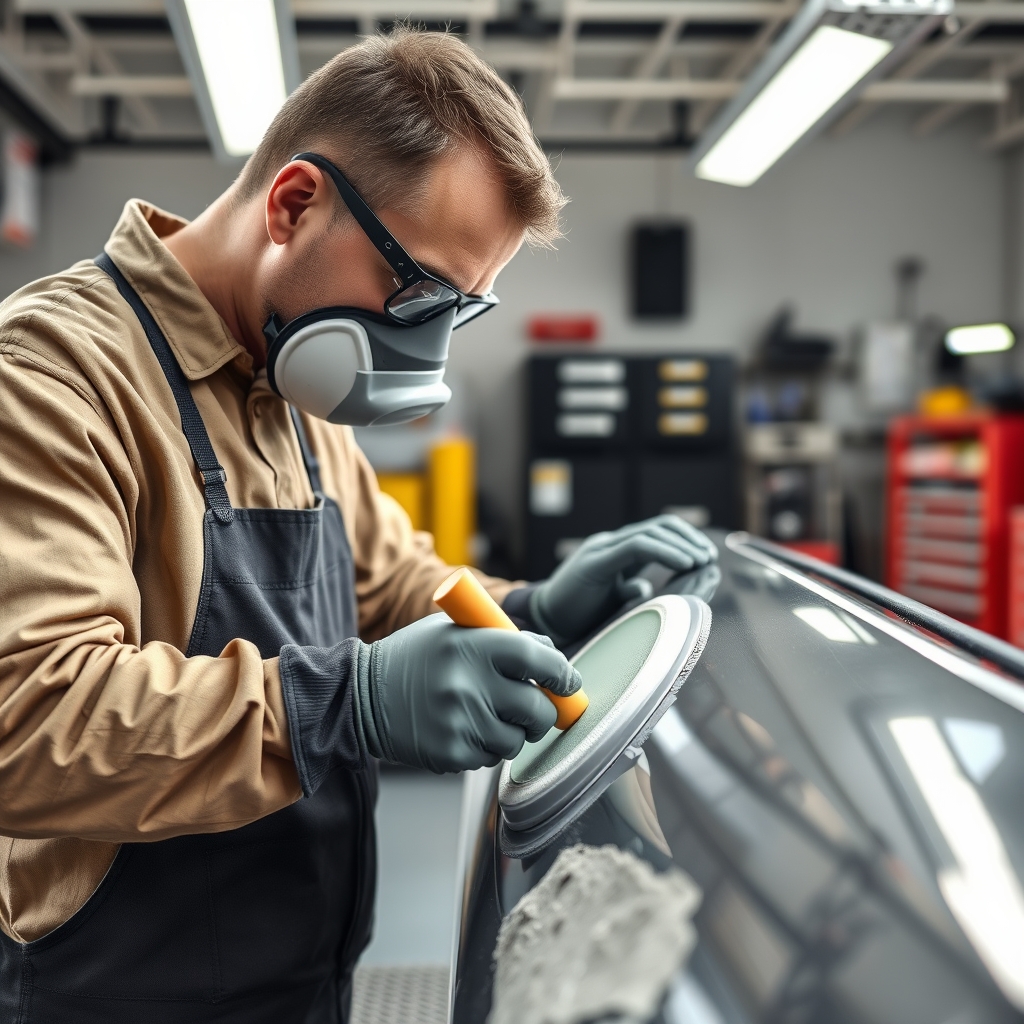
Sanding is where the true artistry of auto body filler application comes into play. The process begins with coarse-grit sandpaper to remove excess filler and shape the repair, gradually progressing to finer grits to achieve a smooth, polished surface. Many technicians use a sanding block or a long-board sander to ensure the filler is level with the surrounding panel, avoiding low spots or high ridges that could be visible after painting.
One of the most critical aspects of sanding is maintaining the correct contour of the vehicle. Modern cars are designed with complex curves and aerodynamic shapes, and even a slight deviation in the filler’s contour can be noticeable after painting. Skilled technicians use guide coats—a thin layer of contrasting color applied over the filler—to highlight imperfections during sanding. This allows them to see exactly where additional sanding or filler is needed, ensuring a flawless finish.
Advanced Techniques for Modern Vehicles
As vehicles evolve, so too do the challenges associated with auto body filler application. Modern cars often feature lightweight materials like aluminum, high-strength steel, and carbon fiber, each of which requires specialized filler products and techniques. For example, aluminum panels are more prone to oxidation than steel, so technicians must use fillers designed to bond with aluminum surfaces without causing corrosion. Similarly, high-strength steel panels may require fillers with greater flexibility to prevent cracking under stress.
Another innovation in auto body filler technology is the development of UV-curable fillers. These products cure almost instantly when exposed to ultraviolet light, significantly reducing repair times. While still relatively new, UV-curable fillers are gaining popularity in high-volume collision centers where efficiency is paramount. They also eliminate the need for mixing, reducing waste and ensuring consistent results with every application.
Environmental and Safety Considerations
Auto body filler is not without its environmental and safety challenges. The chemicals used in fillers and hardeners can be hazardous if not handled properly, requiring technicians to wear protective gear such as gloves, respirators, and safety glasses. Many modern fillers are formulated to be low-VOC (volatile organic compound), reducing their environmental impact and improving air quality in the shop.
Proper disposal of filler waste is also critical. Uncured filler can contaminate water supplies and soil, so it must be disposed of according to local regulations. Many shops use specialized waste management services to ensure compliance with environmental laws, reflecting the industry’s growing commitment to sustainability.
The Future of Auto Body Filler
The future of auto body filler lies in the continued development of smarter, more sustainable materials. Researchers are exploring fillers that can self-level or even self-heal, reducing the need for manual sanding and rework. Nanotechnology is also being integrated into filler formulations, creating products that are stronger, lighter, and more resistant to environmental factors like UV radiation and moisture.
As electric vehicles (EVs) become more prevalent, the demand for fillers that can bond with new materials like aluminum and composites will only grow. EV manufacturers are also exploring ways to integrate sensors and other electronics into body panels, which may require fillers that can conduct electricity or withstand high temperatures. These advancements will push the boundaries of what auto body filler can achieve, making it an even more indispensable tool in the collision repair industry.
In the hands of a skilled technician, auto body filler is more than just a means to fill a dent—it’s a tool for crafting perfection. Whether restoring a classic car to its former glory or repairing a modern vehicle with advanced materials, the science and artistry behind body filler ensure that every repair is a testament to the precision and dedication of the professionals who perform it. The next time you admire a flawless paint finish, remember that beneath the surface lies a hidden world of chemistry, technique, and craftsmanship that makes it all possible.