The Evolution of Automotive Body Repair: A Deep Dive into Modern Techniques
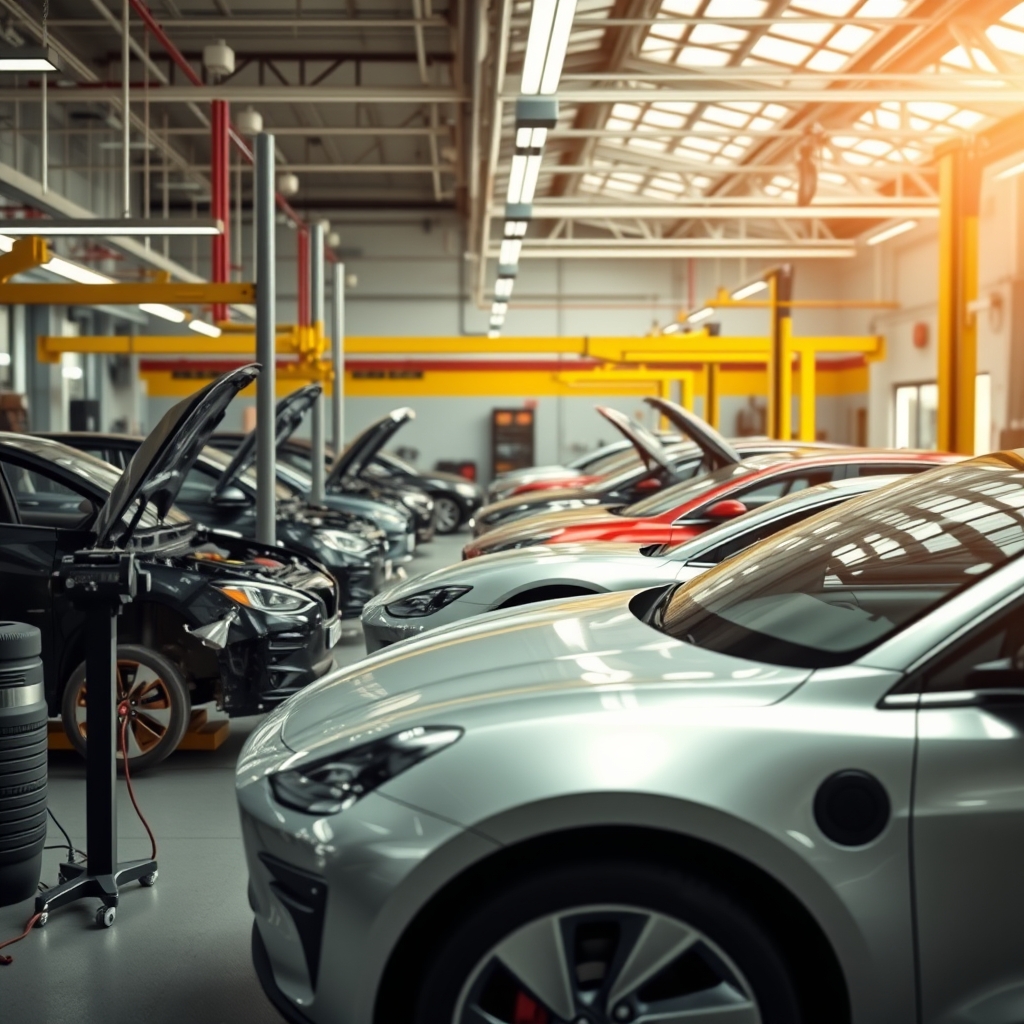
The automotive industry has witnessed a remarkable transformation over the years, and this evolution is particularly evident in the realm of body repair. From traditional methods to cutting-edge technologies, the way we restore and maintain vehicle bodies has significantly advanced. This article explores some of the most innovative techniques in automotive body repair, highlighting their benefits and the impact they have on the industry.
Collision Repair Technology
Collision repair technology has come a long way, with advancements that have made the process more efficient and precise. Modern collision repair shops are equipped with state-of-the-art tools and techniques that ensure vehicles are restored to their original condition. One of the key advancements is the use of laser frame alignment systems, which provide highly accurate measurements and adjustments.
Paintless Dent Removal
Paintless Dent Removal (PDR) is a non-invasive technique that has gained popularity for its ability to remove dents without the need for repainting. This method involves using specialized tools to manipulate the metal back into its original shape. PDR is particularly effective for small to medium-sized dents and is favored for its cost-effectiveness and minimal environmental impact.
Automotive Paint Refinishing
Automotive paint refinishing is another area where technology has made significant strides. Traditional methods involved sanding and repainting entire panels, which was time-consuming and labor-intensive. Modern refinishing techniques, such as hydrographics water transfer, allow for precise application of paint, ensuring a flawless finish. This method involves using water-based paints and a specialized application process that adheres to the original paint’s properties, resulting in a seamless and long-lasting finish.
Advanced Techniques in Body Repair
Beyond traditional methods, several advanced techniques have emerged, catering to specific needs and materials. These techniques not only enhance the quality of repairs but also cater to the increasing number of electric vehicles on the road.
Electric Vehicle Body Repair
Electric vehicles (EVs) present unique challenges in body repair due to their lightweight materials and complex battery systems. Traditional repair methods may not be suitable for these vehicles, necessitating specialized techniques. For instance, fiber laser welding is used to repair aluminum panels, ensuring a strong and durable bond. Additionally, smart repair systems that use sensors and AI to monitor the repair process are being developed to ensure the integrity of EV bodies.
Ceramic Coating Application
Ceramic coatings have become a staple in the automotive industry, offering enhanced protection against scratches, UV rays, and environmental elements. The application of ceramic coatings involves a meticulous process that ensures a uniform and durable finish. These coatings not only improve the aesthetics of the vehicle but also provide long-term protection, reducing the need for frequent repaints.
Auto Body Restoration
Auto body restoration is a comprehensive process that involves repairing and refinishing the entire vehicle. This process includes frame straightening, panel replacement, and repainting. Modern automotive spray booths are equipped with advanced systems that ensure a consistent and high-quality finish. Laser frame alignment systems are also used to ensure the vehicle’s structural integrity is maintained.
Aluminum Body Repair
Aluminum bodies are increasingly common in modern vehicles, offering a balance between strength and weight reduction. Repairing aluminum panels requires specialized techniques due to the material’s properties. Fiber laser welding is a popular method for repairing aluminum panels, as it provides a strong and durable bond. Additionally, advanced filler materials and techniques are used to ensure a seamless finish.
Clear Coat Scratch Repair
Clear coat scratches are a common issue that can detract from a vehicle’s appearance. Traditional methods of repairing clear coat scratches involved sanding and repainting, which was time-consuming and labor-intensive. Modern techniques, such as hydrographics water transfer, allow for precise application of clear coat, ensuring a flawless finish. These methods are not only more efficient but also result in a longer-lasting finish.
The evolution of automotive body repair technologies has revolutionized the industry, offering more efficient, precise, and environmentally friendly solutions. From collision repair to advanced techniques like paintless dent removal and ceramic coating application, these innovations have significantly improved the quality of repairs. As the automotive industry continues to evolve, so too will the techniques and technologies used in body repair, ensuring that vehicles are restored to their original condition with minimal environmental impact. The future of automotive body repair looks promising, with ongoing advancements that will continue to enhance the quality and efficiency of repairs.