Maximizing Your Vehicle’s Performance: A Comprehensive Guide to Suspension System Maintenance and Upgrades
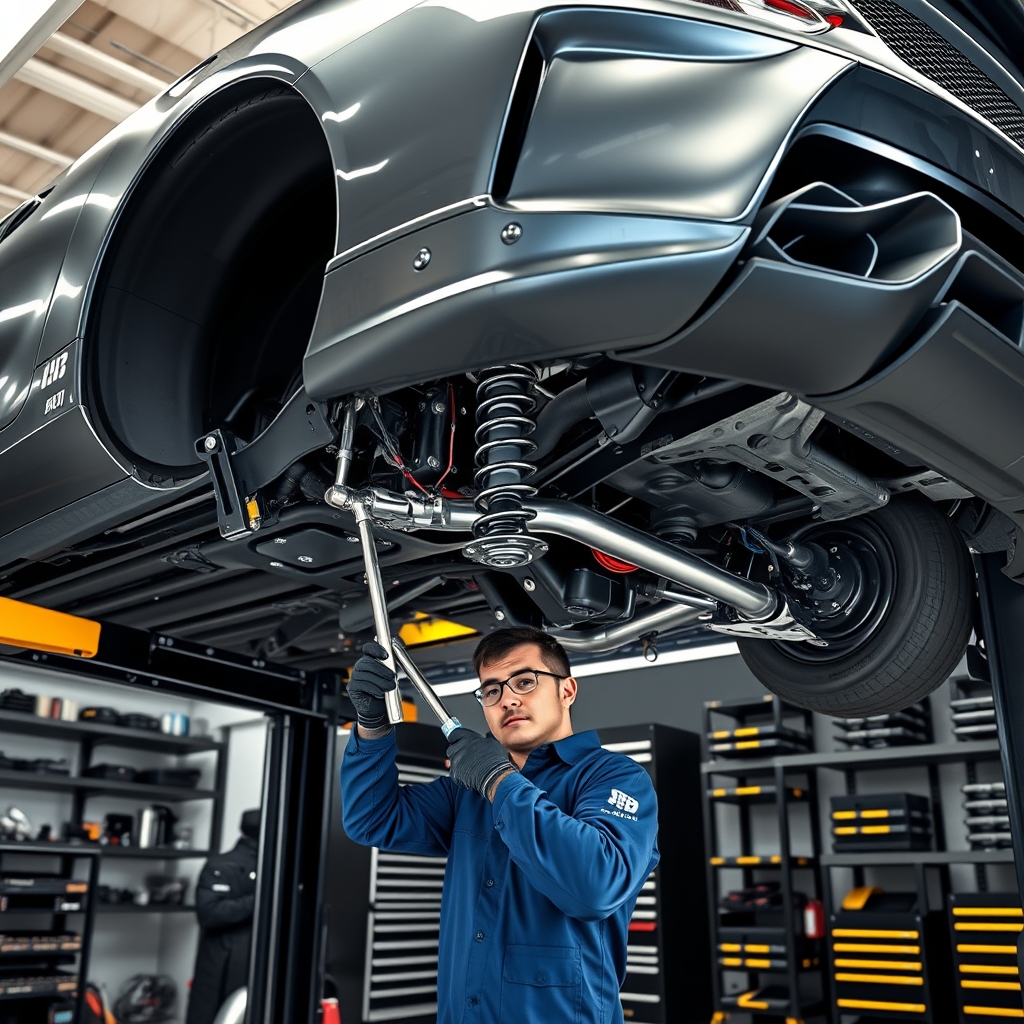
The suspension system is one of the most critical yet often overlooked components of your vehicle. It ensures a smooth ride, optimal handling, and safety by absorbing shocks from the road and maintaining tire contact with the surface. Neglecting suspension maintenance can lead to poor driving dynamics, uneven tire wear, and even compromised safety. Whether you’re a daily commuter, an off-road enthusiast, or a performance-driven driver, understanding the key aspects of suspension care can significantly enhance your driving experience.
The Role of Shock Absorbers in Ride Comfort and Safety
Shock absorbers are the unsung heroes of your suspension system. They control the movement of your vehicle’s springs and suspension, ensuring that your tires remain in contact with the road. Over time, shock absorbers wear out due to constant exposure to road imperfections, leading to a bouncy ride, reduced braking efficiency, and increased stopping distances. Replacing worn-out shock absorbers is not just about comfort—it’s a safety imperative. A fresh set of shocks can restore your vehicle’s stability, improve cornering, and reduce the risk of accidents caused by poor handling.
When considering shock absorber replacement, it’s essential to choose the right type for your driving needs. OEM (Original Equipment Manufacturer) shocks are designed for general use, while performance shocks offer better damping for spirited driving or track use. For off-road enthusiasts, heavy-duty or remote-reservoir shocks provide enhanced durability and articulation. Always consult your vehicle’s manual or a trusted mechanic to ensure compatibility and optimal performance.
Wheel Alignment: The Key to Tire Longevity and Fuel Efficiency
Misaligned wheels are a common issue that can lead to a host of problems, from uneven tire wear to poor fuel economy. Wheel alignment involves adjusting the angles of your vehicle’s wheels to the manufacturer’s specifications, ensuring they are perpendicular to the ground and parallel to each other. Signs of misalignment include your vehicle pulling to one side, uneven tire wear, or a steering wheel that’s off-center when driving straight.
A professional wheel alignment service typically includes adjusting the camber, caster, and toe angles. Camber refers to the vertical tilt of the wheels, caster is the angle of the steering pivot, and toe describes whether the wheels point inward or outward. Proper alignment not only extends the life of your tires but also improves fuel efficiency by reducing rolling resistance. It’s recommended to have your alignment checked every 6,000 miles or if you notice any of the warning signs mentioned above.
Ball Joints and Tie Rod Ends: Critical for Steering Precision
Ball joints and tie rod ends are pivotal components of your vehicle’s steering and suspension system. Ball joints act as pivot points between the wheels and the suspension, allowing for smooth steering and up-and-down movement. Tie rod ends, on the other hand, connect the steering rack to the wheels, enabling precise control over your vehicle’s direction. Worn-out ball joints or tie rod ends can lead to loose steering, clunking noises, or even catastrophic failure, resulting in loss of control.
Replacing these components is not a DIY job for most drivers, as it requires specialized tools and expertise. A professional mechanic will inspect for excessive play, torn boots, or corrosion, which are telltale signs of wear. Upgrading to high-quality aftermarket ball joints or tie rod ends can improve steering responsiveness, especially in performance or off-road applications. Regular inspections, particularly during tire rotations or brake service, can help catch issues before they become dangerous.
Upgrading Your Suspension: Performance Lowering Springs and Sway Bars
For enthusiasts looking to enhance their vehicle’s handling, upgrading suspension components can make a world of difference. Performance lowering springs are a popular modification that reduces ride height, lowers the center of gravity, and improves cornering stability. However, it’s important to note that lowering springs often require compatible shock absorbers to avoid a harsh ride or premature wear. Coilover kits, which combine springs and shocks into a single unit, offer adjustable ride height and damping, making them a versatile choice for both street and track use.
Sway bars, also known as anti-roll bars, are another upgrade worth considering. They reduce body roll during cornering by connecting the left and right sides of the suspension. Upgrading to a stiffer sway bar or a complete sway bar link kit can significantly improve handling without sacrificing ride comfort. When paired with performance bushings, which replace the factory rubber components with polyurethane or solid mounts, you can achieve even greater precision and feedback from your suspension system.
Wheel Bearings and Axle Shafts: Silent Workhorses of Your Suspension
Wheel bearings and axle shafts are often overlooked until they fail, but they play a crucial role in your vehicle’s suspension and drivetrain. Wheel bearings allow your wheels to rotate smoothly with minimal friction, while axle shafts transmit power from the differential to the wheels. Worn wheel bearings can produce a humming or grinding noise, particularly at higher speeds, and may eventually seize, causing catastrophic damage. Similarly, a damaged axle shaft can lead to vibrations, clicking noises, or even a complete loss of power to the wheels.
Replacing wheel bearings or axle shafts is a job best left to professionals, as it requires precise torque specifications and specialized tools. Regular inspections, especially if you notice unusual noises or vibrations, can prevent costly repairs down the line. For off-road or heavy-duty applications, upgrading to reinforced axle shafts or sealed wheel bearings can provide added durability and peace of mind.
Diagnosing Undercarriage Noises: A Step-by-Step Approach
Unusual noises from your vehicle’s undercarriage can be alarming, but they often provide valuable clues about the health of your suspension system. Common culprits include worn-out bushings, loose sway bar links, or failing ball joints. To diagnose the issue, start by identifying the type of noise—clunks, squeaks, or rattles—and when it occurs, such as during acceleration, braking, or cornering. A visual inspection of the suspension components can reveal obvious signs of wear, such as torn boots, rust, or loose bolts.
If the source of the noise isn’t immediately apparent, a road test with a mechanic can help pinpoint the issue. They may use specialized tools like a stethoscope or chassis ear to isolate the sound. Addressing undercarriage noises early can prevent further damage and ensure your vehicle remains safe and reliable. Regular maintenance, such as lubricating bushings or tightening bolts, can also help prevent these issues from arising in the first place.
Your vehicle’s suspension system is a complex network of components that work together to deliver a smooth, safe, and enjoyable driving experience. Whether you’re replacing worn-out parts, upgrading for performance, or simply maintaining your daily driver, paying attention to your suspension can pay dividends in terms of comfort, safety, and longevity. By staying proactive and addressing issues as they arise, you can keep your vehicle performing at its best, no matter where the road takes you.