The Future of Electric Vehicle Body Repair: Innovations, Challenges, and the Road Ahead
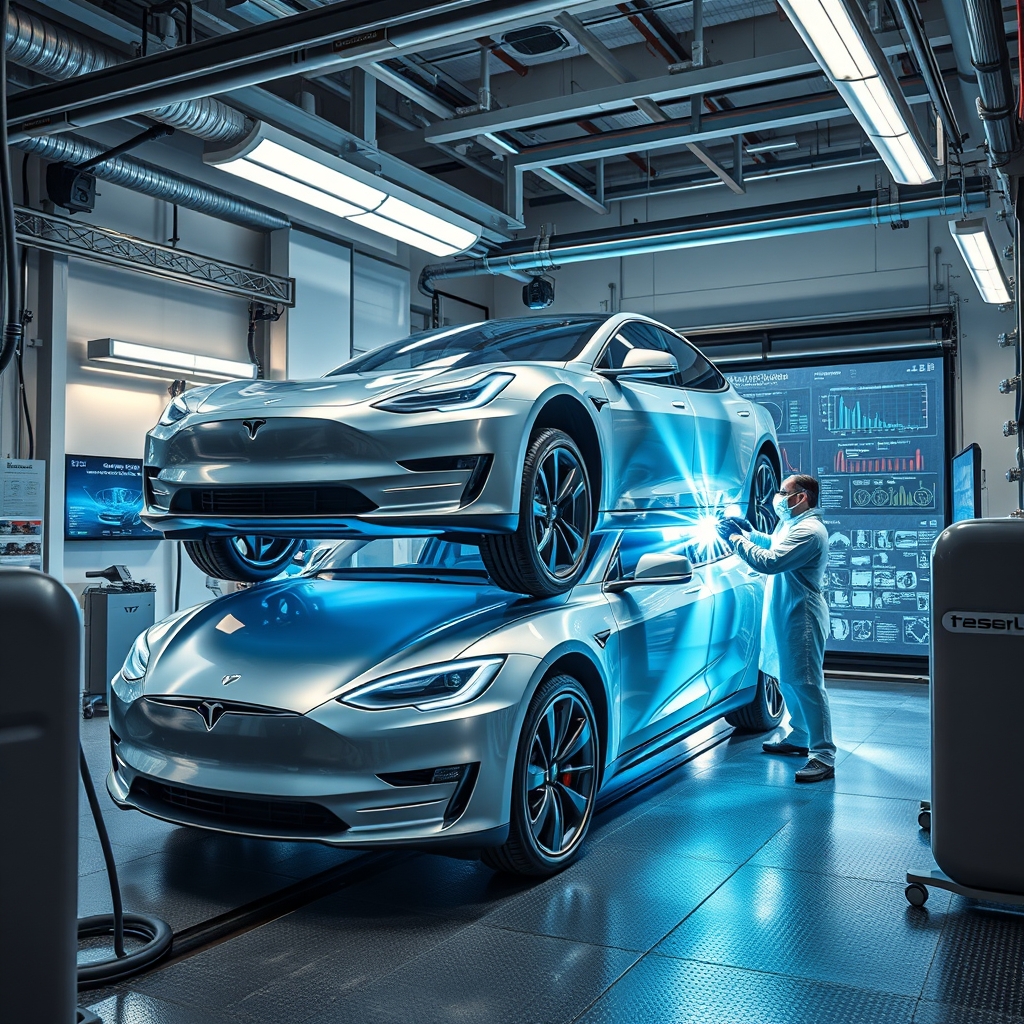
Electric vehicles (EVs) are not just transforming the way we drive—they’re revolutionizing the way we repair them. As automakers shift toward lightweight materials, advanced composites, and high-voltage systems, collision repair shops must adapt to a new era of precision, safety, and innovation. The challenges are significant, but so are the opportunities for those willing to embrace the future of EV body repair.
The Unique Challenges of EV Body Repair
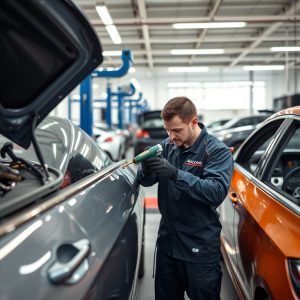
Unlike traditional internal combustion engine (ICE) vehicles, electric vehicles introduce complexities that demand specialized knowledge and equipment. One of the most critical differences lies in their construction. Many EVs utilize aluminum, carbon fiber, and high-strength steel to offset the weight of heavy battery packs while maintaining structural integrity. These materials require advanced techniques, such as fiber laser welding and aluminum body repair, to ensure repairs are both durable and precise.
Another major consideration is the high-voltage systems that power EVs. Technicians must undergo rigorous training to safely handle these components, as improper repairs can lead to electrical hazards. Many auto body shops are now investing in insulated tools, voltage detection equipment, and even dedicated EV repair bays to mitigate risks. The integration of smart repair systems with diagnostic capabilities is also becoming essential, allowing technicians to assess damage without compromising the vehicle’s electrical integrity.
Innovations Shaping the Future of EV Collision Repair
The rapid evolution of EV technology has spurred innovations in collision repair, ensuring that shops can keep pace with the demands of modern vehicles. One of the most promising advancements is laser frame alignment, which uses precision laser measurement systems to restore a vehicle’s structural geometry with unparalleled accuracy. This technology is particularly valuable for EVs, where even minor misalignments can affect battery placement, drivetrain performance, and overall safety.
Another game-changer is the development of advanced automotive spray booths designed to accommodate the unique refinishing needs of EVs. These booths often feature climate control, advanced filtration, and energy-efficient systems to ensure optimal paint adhesion while minimizing environmental impact. For EVs with composite body panels, specialized refinishing techniques—such as hydrographics water transfer—are being explored to achieve seamless customization without compromising material integrity.
The Role of Ceramic Coatings and Corrosion Prevention
Electric vehicles are built to last, and their owners expect nothing less. This is where ceramic coating application and vehicle corrosion prevention play a crucial role. Ceramic coatings provide a durable, hydrophobic layer that protects paint from UV damage, chemical contaminants, and minor scratches—an essential feature for EVs, which often feature premium finishes. Meanwhile, corrosion prevention techniques, such as electrocoating and advanced sealants, help safeguard battery enclosures and structural components from environmental wear, ensuring longevity and performance.
Customization and Aesthetic Restoration for EVs
As EVs become more mainstream, owners are increasingly seeking ways to personalize their vehicles. Custom car painting and hydrographics offer limitless possibilities for unique designs, from matte finishes to intricate patterns. However, working with EV-specific materials requires a deep understanding of thermal expansion, adhesion properties, and compatibility with high-voltage components. Shops specializing in EV body repair are now offering tailored solutions, such as clear coat scratch repair and paintless dent removal (PDR), to restore vehicles to showroom condition without invasive procedures.
The Road Ahead: Preparing for an Electric Future
The shift toward electric vehicles is not a passing trend—it’s a fundamental transformation of the automotive industry. For collision repair shops, staying ahead means investing in training, equipment, and certifications that align with EV repair standards. Manufacturers like Tesla, Rivian, and Lucid are already setting new benchmarks for repair protocols, and independent shops must adapt or risk being left behind.
One of the most exciting developments is the integration of AI-driven diagnostics and augmented reality (AR) in collision repair. These technologies can assist technicians in identifying hidden damage, planning repairs, and even visualizing the final outcome before work begins. As EVs continue to evolve, so too will the tools and techniques used to repair them, ensuring that the industry remains at the forefront of innovation.
For vehicle owners, the rise of EV-specific repair solutions means greater peace of mind. Whether it’s a minor scratch, a dent from a fender bender, or a major collision, the right shop can restore an electric vehicle to its original condition—safely, efficiently, and with the same level of craftsmanship that went into its design. The future of EV body repair is not just about fixing what’s broken; it’s about redefining what’s possible in automotive restoration, one precision repair at a time.