The Art of Vehicle Corrosion Prevention: Safeguarding Your Car’s Beauty and Integrity for Decades
Few things are as disheartening for a car owner as discovering the first signs of rust creeping along the wheel wells or bubbling beneath the paint. Corrosion doesn’t just mar a vehicle’s appearance—it silently compromises structural integrity, weakens safety components, and erodes resale value. Yet, despite its destructive potential, corrosion prevention remains one of the most overlooked aspects of automotive care. In an era where advanced collision repair techniques and high-tech refinishing dominate the conversation, the quiet science of keeping rust at bay deserves its moment in the spotlight.
The Silent Threat Beneath the Surface
Corrosion is an electrochemical process where metal reacts with oxygen and moisture, forming iron oxide—or rust. While all vehicles are susceptible, modern cars face unique challenges. Lightweight materials like aluminum and high-strength steel, while improving fuel efficiency and safety, can be more prone to galvanic corrosion when improperly treated. Even minor scratches from road debris or poorly executed paint repairs can become entry points for moisture, accelerating the degradation process. The result? A once-pristine vehicle slowly succumbing to an invisible enemy.
Environmental factors play a significant role, too. Coastal regions with salty air, snowy climates where road salt is used, and industrial areas with high pollution levels create perfect storm conditions for rust. Even something as seemingly innocuous as bird droppings or tree sap can break down protective coatings over time, leaving the metal beneath vulnerable. The battle against corrosion isn’t just about aesthetics—it’s about preserving the very foundation of a vehicle’s safety and performance.
Modern Techniques in Corrosion Prevention
Fortunately, the automotive industry has developed a suite of advanced techniques to combat corrosion, each tailored to different stages of a vehicle’s life. For new cars, manufacturers employ electrocoating (e-coating), a process where a vehicle’s body is submerged in a bath of electrically charged paint particles. This ensures even coverage, including hard-to-reach areas like door jambs and frame rails, creating a uniform barrier against moisture. After e-coating, a layer of primer and topcoat is applied, further sealing the metal.
For older vehicles or those undergoing collision repair, the approach shifts to targeted interventions. One of the most effective methods is the application of rust converters, chemical solutions that transform existing rust into a stable compound, preventing further spread. These are often followed by high-quality undercoating treatments, which create a flexible, waterproof barrier over exposed metal surfaces. Modern undercoatings are far removed from the messy, tar-like products of the past—they’re now formulated with sound-deadening properties and UV resistance, offering long-term protection without compromising the vehicle’s finish.
The Role of Ceramic Coatings in Long-Term Protection
While traditional waxes and sealants provide temporary protection, ceramic coatings have emerged as a game-changer in corrosion prevention. These liquid polymers chemically bond with a vehicle’s paint, creating a hydrophobic layer that repels water, dirt, and contaminants. Unlike wax, which degrades within months, ceramic coatings can last years, providing a durable shield against environmental damage. When applied correctly, they also enhance the paint’s resistance to minor scratches and chemical etching, reducing the risk of corrosion taking hold.
For maximum effectiveness, ceramic coatings should be paired with proper paint correction. This involves removing existing imperfections like swirl marks or oxidation before application, ensuring the coating adheres uniformly. The result isn’t just a glossy finish—it’s a long-term investment in the vehicle’s structural and aesthetic longevity.
Innovations in Underbody Protection
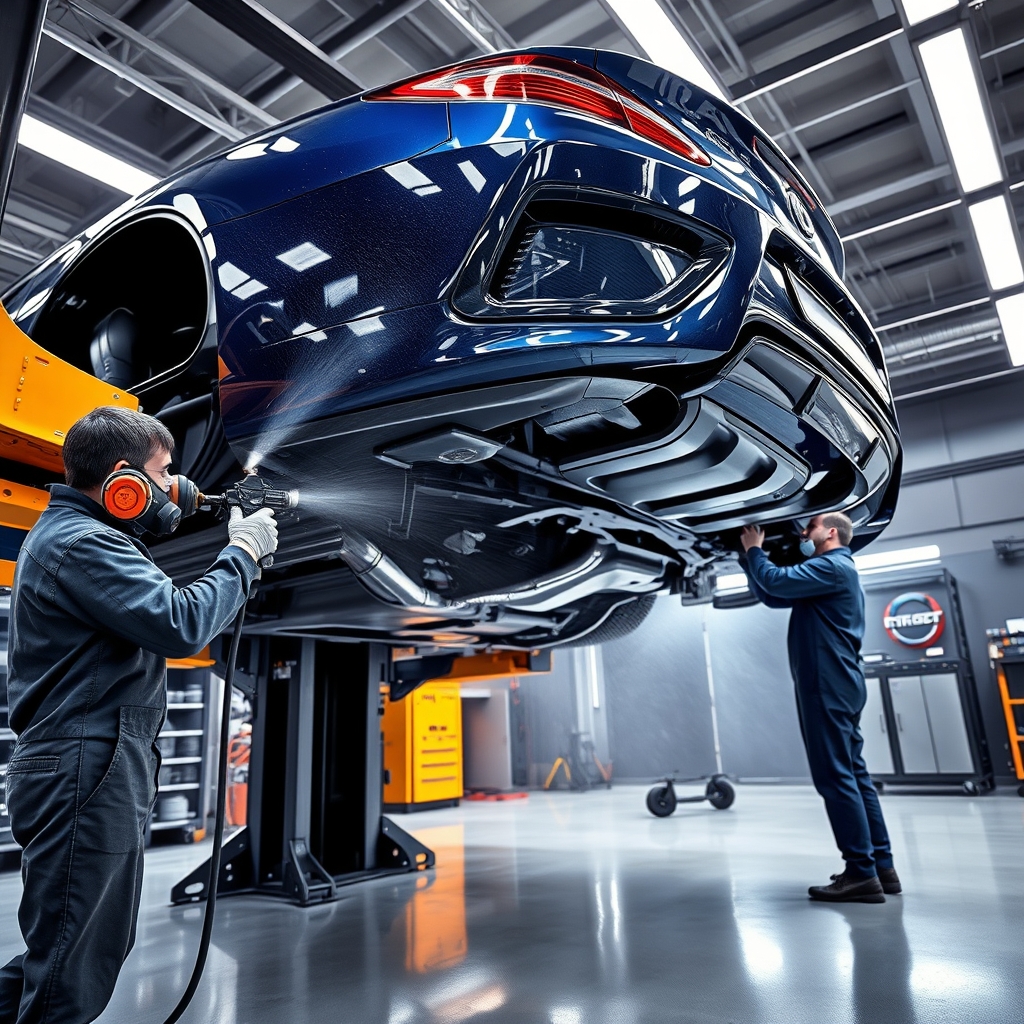
The underbody of a vehicle is particularly vulnerable to corrosion, constantly exposed to road salt, gravel, and moisture. Traditional undercoating methods often involved thick, petroleum-based sprays that could trap moisture and accelerate rust in hidden areas. Today, advanced solutions like fluid film coatings and rubberized undercoatings offer superior protection. These products are designed to remain flexible, allowing them to expand and contract with temperature changes without cracking. Some even contain corrosion inhibitors that actively neutralize salt and other contaminants.
For electric vehicles (EVs), underbody protection takes on added importance. The heavy battery packs in EVs are often mounted low in the chassis, making them susceptible to damage from road debris. Manufacturers and aftermarket specialists now use specialized coatings and shielding to protect these components, ensuring both safety and longevity. Some EV-specific undercoatings even incorporate dielectric properties to prevent electrical conductivity, further safeguarding the vehicle’s high-voltage systems.
The Human Element: Maintenance and Awareness
No matter how advanced the technology, corrosion prevention ultimately relies on vigilance and proactive care. Simple habits, like regularly washing a vehicle—especially during winter months—can remove salt and grime before they have a chance to cause damage. Paying attention to drain holes in doors and rocker panels, which can become clogged with debris, is another often-overlooked step. Even parking in a garage or using a car cover can significantly reduce exposure to moisture and UV rays, two of corrosion’s greatest allies.
For collision repair professionals, corrosion prevention is an integral part of the restoration process. When repairing or replacing panels, using OEM-spec materials and ensuring proper seam sealing can make the difference between a temporary fix and a long-lasting repair. Techniques like spot welding, which minimizes heat distortion, and applying cavity wax to enclosed areas, help maintain the vehicle’s original corrosion resistance. In cases where rust has already taken hold, precision sandblasting or media blasting can remove corrosion down to bare metal, allowing for proper treatment and refinishing.
The Future of Corrosion Prevention
As vehicles become more complex and materials evolve, so too do the methods for protecting them. Researchers are exploring self-healing coatings that can repair minor scratches autonomously, preventing corrosion before it starts. Nanotechnology is also making its way into automotive coatings, with nanoparticles enhancing durability and resistance to environmental damage. Even the rise of electric vehicles is driving innovation—some manufacturers are experimenting with battery-powered corrosion monitoring systems that alert owners to potential issues before they become visible.
In the collision repair industry, the integration of smart repair systems and advanced diagnostics is making it easier to identify and address corrosion early. High-resolution imaging and 3D scanning can detect hidden rust in structural components, allowing technicians to intervene before safety is compromised. As these technologies become more accessible, the standard for vehicle care will continue to rise, ensuring that cars not only look their best but remain structurally sound for decades.
Corrosion prevention is more than just a technical challenge—it’s a commitment to preserving the beauty, safety, and value of a vehicle. Whether through cutting-edge ceramic coatings, meticulous maintenance, or the skilled hands of collision repair professionals, every effort to keep rust at bay is an investment in the future. In a world where cars are built to last longer and perform better than ever, the fight against corrosion is one worth waging, quietly and relentlessly, beneath the surface.