The Alchemy of Automotive Transformation: How Advanced Collision Repair Breathes New Life into Vehicles
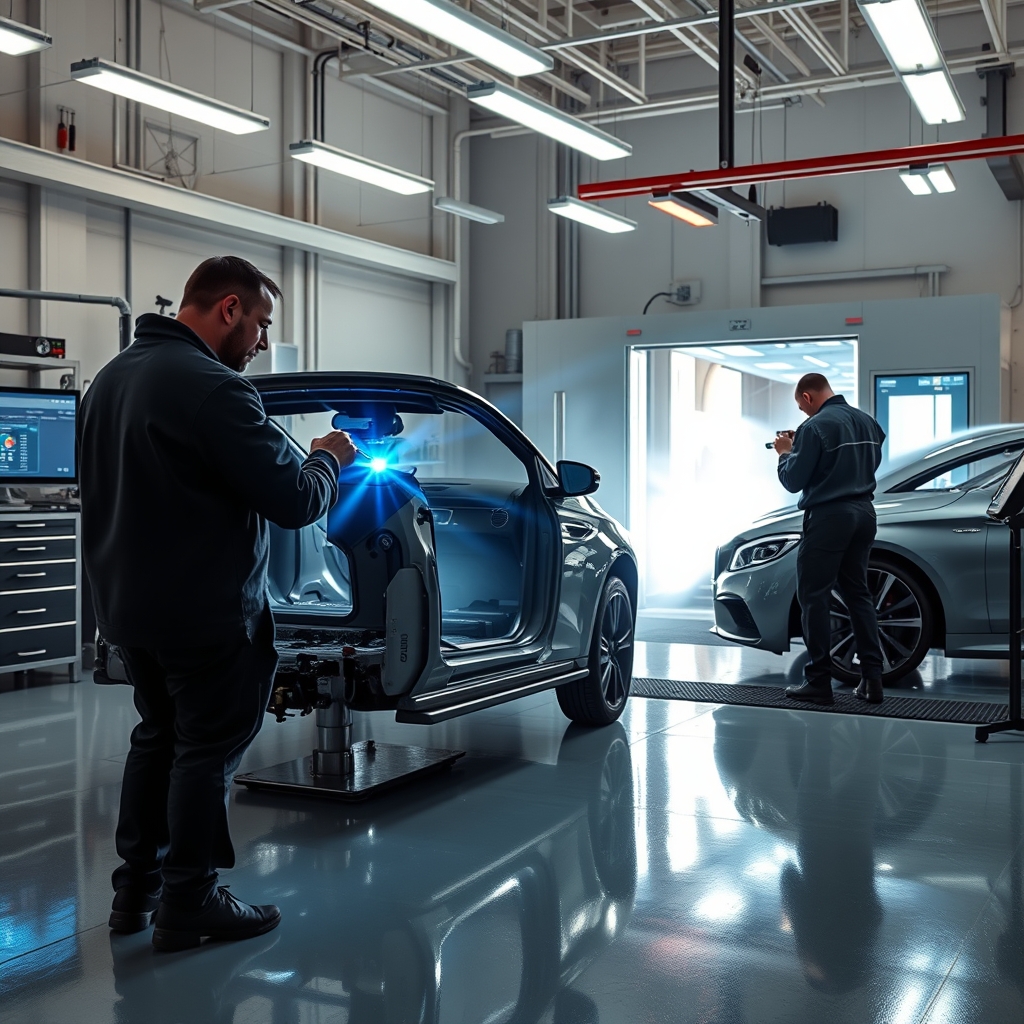
Every vehicle tells a story, and sometimes that story includes a chapter of unexpected damage—a fender bender in a crowded parking lot, a hailstorm that leaves behind a constellation of dents, or the slow creep of corrosion that threatens to undermine a car’s structural integrity. What happens next is where the magic of modern collision repair begins. Today’s auto body shops are no longer just places where dents are hammered out and paint is reapplied; they are high-tech laboratories where precision engineering, cutting-edge materials, and artistic craftsmanship converge to restore vehicles to their former glory—or even elevate them beyond it.
The Symphony of Precision: Frame Straightening and Laser Alignment
At the heart of every collision repair lies the challenge of restoring a vehicle’s structural integrity. Modern frame straightening is no longer a brute-force endeavor but a symphony of precision, where hydraulic benches and laser alignment systems work in harmony to return a car’s skeleton to its factory specifications. Laser frame alignment, in particular, has revolutionized this process by providing real-time measurements that ensure every angle, every curve, and every weld is restored with millimeter accuracy. This technology doesn’t just fix damage—it erases it, leaving no trace of the trauma a vehicle has endured. For electric vehicles, where battery placement and structural rigidity are paramount, this level of precision isn’t just desirable; it’s essential for safety and performance.
The Invisible Art of Paintless Dent Removal
Not all damage requires a full repaint or panel replacement. Paintless dent removal (PDR) is a testament to the subtlety and skill of modern collision repair techniques. Using specialized tools and a keen eye, technicians massage dents from the inside out, coaxing metal back into its original shape without disturbing the factory finish. This process is particularly valuable for preserving a vehicle’s resale value, as it maintains the original paint and avoids the telltale signs of traditional bodywork. The result is a repair so seamless that even the most discerning eye would struggle to detect the damage ever existed. For luxury and vintage cars, where originality is paramount, PDR is nothing short of a miracle.
The Chemistry of Perfection: Automotive Paint Refinishing
When damage is too severe for PDR, automotive paint refinishing steps in to restore a vehicle’s aesthetic and protective layers. This process is where science meets artistry, as technicians blend pigments, apply primers, and layer clear coats to achieve a finish that is indistinguishable from the factory original. Modern refinishing isn’t just about matching colors; it’s about replicating the depth, texture, and reflectivity of the original paint. Advances in waterborne paints and high-efficiency spray booths have also made the process more environmentally friendly, reducing volatile organic compound (VOC) emissions without compromising quality. For custom car painting, this is where creativity takes center stage, with airbrushing, metallic flakes, and pearlescent finishes transforming a vehicle into a rolling work of art.
Ceramic Coatings: The Invisible Shield
Once a vehicle’s body is restored, protecting that investment becomes the next priority. Ceramic coatings have emerged as the gold standard for long-term automotive protection, creating a hydrophobic and UV-resistant barrier that shields paint from environmental contaminants, minor scratches, and the fading effects of the sun. Unlike traditional waxes or sealants, ceramic coatings bond chemically with the paint, forming a semi-permanent layer that can last for years. The application process is meticulous, requiring a pristine surface, controlled environmental conditions, and precise curing times. When done correctly, the result is a finish that not only looks flawless but also repels water, dirt, and grime with ease, making maintenance a breeze.
The Future of Collision Repair: Smart Systems and Sustainable Solutions
The collision repair industry is evolving at a rapid pace, driven by advancements in smart repair systems and a growing emphasis on sustainability. Smart repair systems, for instance, allow technicians to address minor damage—such as scratches, chips, or small dents—with minimal material waste and downtime. These systems often incorporate mobile technology, enabling repairs to be performed on-site, reducing the need for extensive shop time. Meanwhile, innovations in aluminum body repair and fiber laser welding are making repairs faster, lighter, and more durable, particularly for modern vehicles that rely on lightweight materials to improve fuel efficiency and performance.
Electric Vehicles: A New Frontier
Electric vehicles (EVs) present unique challenges for collision repair shops. Their high-voltage systems, specialized battery enclosures, and lightweight aluminum or carbon fiber structures require technicians to undergo additional training and invest in new equipment. EV body repair isn’t just about aesthetics; it’s about ensuring the vehicle’s safety systems, such as battery cooling and crash sensors, remain fully functional. As EV adoption grows, so too does the need for repair shops to adapt, blending traditional collision repair techniques with the specialized knowledge required to work on these cutting-edge machines.
The Unsung Heroes: Corrosion Prevention and Hydrographics
While much of collision repair focuses on visible damage, preventing future issues is equally important. Vehicle corrosion, often caused by road salt, moisture, or environmental pollutants, can silently undermine a car’s structural integrity if left unchecked. Modern corrosion prevention techniques, such as electrocoating and advanced sealants, create a barrier that protects metal surfaces from rust and degradation. For those looking to add a personal touch to their vehicle, hydrographics (or water transfer printing) offers a way to apply intricate designs to everything from dashboards to exterior panels. This process involves submerging a vehicle part in water, where a printed film adheres to its surface, creating a custom finish that is as durable as it is eye-catching.
In the world of collision repair, every vehicle that rolls into a shop is an opportunity to turn back the clock, to erase the scars of the road and restore not just a car, but the confidence and pride of its owner. The tools and techniques may evolve, but the goal remains the same: to transform damage into perfection, one precise repair at a time. Whether it’s the invisible art of paintless dent removal, the high-tech precision of laser frame alignment, or the protective embrace of a ceramic coating, modern collision repair is a blend of science, skill, and passion—proof that even the most battered vehicles can be reborn.