
Precision in Motion: How Wheel Alignment and Suspension Repairs Elevate Your Driving Experience
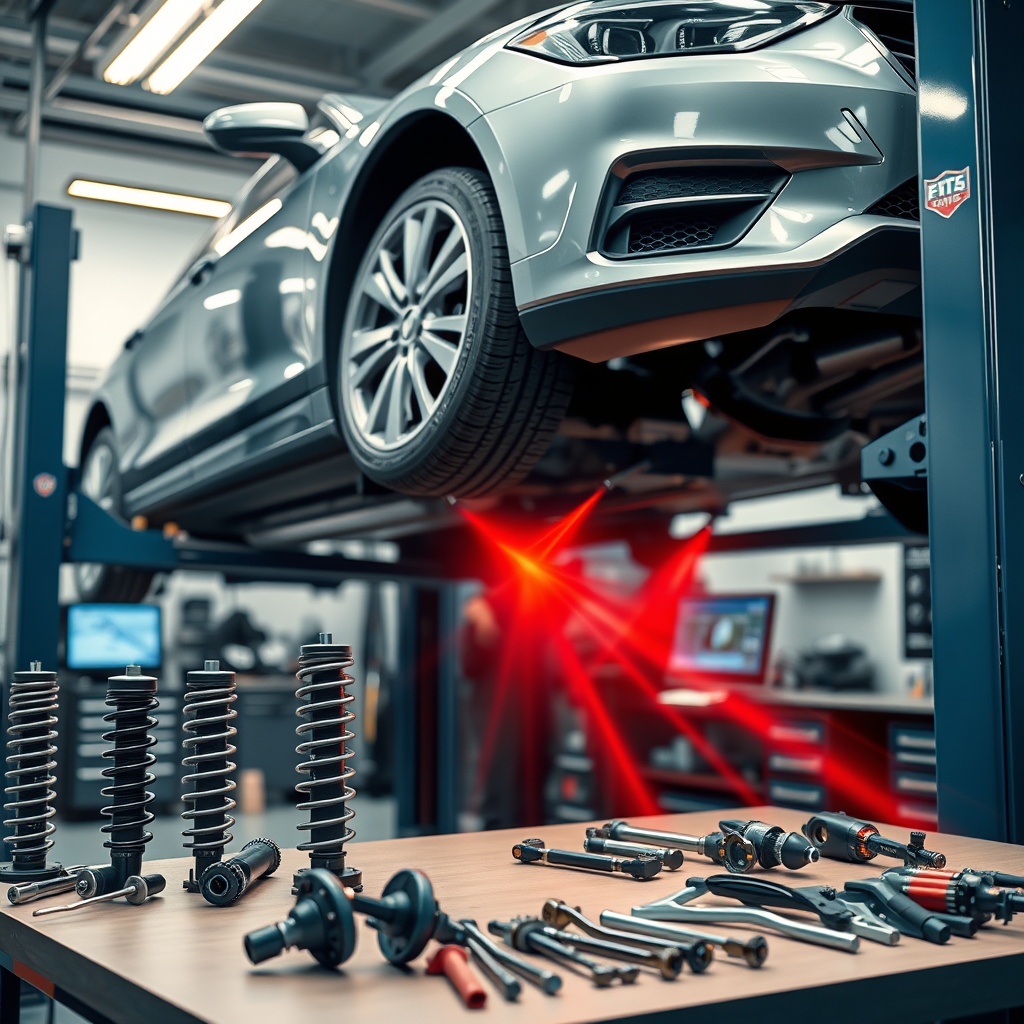
Few aspects of vehicle maintenance are as overlooked yet as critical as the suspension system and wheel alignment. These components work in harmony to ensure not only a smooth ride but also the safety, longevity, and performance of your vehicle. While many drivers focus on engine health or exterior aesthetics, the undercarriage of a car often holds the key to a truly refined driving experience. Understanding the interplay between wheel alignment and suspension repairs can transform how you approach vehicle care—and how your car responds to the road.
The Foundation of a Smooth Ride: Wheel Alignment
Wheel alignment is more than just adjusting the angles of your tires; it’s about ensuring that all four wheels work together in perfect synchronization. Over time, factors like potholes, curb impacts, or even normal wear and tear can cause misalignment, leading to uneven tire wear, poor handling, and increased fuel consumption. A professional wheel alignment service corrects three primary angles: camber, caster, and toe. Camber refers to the vertical tilt of the wheel, caster to the steering axis angle, and toe to whether the wheels point inward or outward when viewed from above.
Misalignment doesn’t just affect comfort—it can compromise safety. A car pulling to one side or a steering wheel that vibrates at high speeds are telltale signs that your alignment is off. Ignoring these symptoms can lead to premature tire replacement and, in severe cases, loss of control. Regular alignment checks, especially after hitting a pothole or curb, can save you money in the long run and keep your vehicle tracking straight and true.
When to Seek Alignment Services
While some drivers wait until they notice handling issues, proactive alignment checks are a smarter approach. Experts recommend aligning your wheels every 6,000 miles or whenever you install new tires. Additionally, if you’ve recently had suspension components like control arm assemblies or tie rod ends replaced, an alignment is essential to ensure these new parts function correctly. Modern alignment machines use laser precision to adjust angles within fractions of a degree, making the process both quick and highly accurate.
The Backbone of Handling: Suspension System Repairs
While alignment ensures your wheels are properly positioned, the suspension system absorbs the imperfections of the road, providing stability and comfort. A well-maintained suspension system is a symphony of components, including shock absorbers, strut assemblies, ball joints, and sway bar links, all working together to keep your tires in contact with the road. When any of these parts wear out, the consequences can range from a bumpy ride to dangerous handling characteristics.
Common Suspension Repairs and Their Impact
One of the most frequent suspension repairs is shock absorber replacement. Shocks, or dampers, control the movement of the springs and prevent your car from bouncing excessively. Worn shocks can lead to longer stopping distances, reduced cornering stability, and even increased fatigue on long drives. Similarly, strut assembly replacement is critical for vehicles with MacPherson struts, as these components combine the shock absorber and coil spring into a single unit. A failing strut can cause clunking noises, poor ride quality, and uneven tire wear.
Other common repairs include ball joint replacement and tie rod end repair. Ball joints act as pivot points between the wheels and suspension, allowing for smooth steering. When they wear out, you might hear a creaking noise or notice loose steering. Tie rod ends, on the other hand, connect the steering rack to the wheels. A worn tie rod can cause alignment issues and, in extreme cases, a complete loss of steering control. Addressing these repairs promptly not only restores handling but also prevents further damage to other suspension components.
Upgrading for Performance: Beyond Basic Repairs
For enthusiasts looking to enhance their driving experience, suspension upgrades offer a world of possibilities. Performance lowering springs can reduce body roll and improve cornering, while sway bar link kits minimize lean during aggressive maneuvers. Upgrading to stiffer suspension bushings can sharpen throttle response and improve feedback from the road. However, these modifications should be approached with caution—poorly chosen upgrades can compromise ride comfort and even safety.
For those seeking the ultimate in adjustability, independent suspension tuning allows for fine-tuning of ride height, damping, and spring rates. This level of customization is popular among track enthusiasts and off-road adventurers alike. Meanwhile, air suspension conversion offers a blend of comfort and versatility, allowing drivers to adjust ride height on the fly for improved aerodynamics or ground clearance.
Diagnosing Suspension Issues Before They Escalate
Preventative maintenance is the key to avoiding costly suspension repairs. Regularly inspecting your vehicle for signs of wear can save you from unexpected breakdowns. Listen for unusual noises like clunks, squeaks, or rattles, especially when driving over bumps or turning. Pay attention to how your car handles—excessive bouncing, drifting, or a rough ride are all indicators that something may be amiss. A professional undercarriage noise diagnostic can pinpoint the exact source of the problem, whether it’s a worn wheel bearing, a damaged axle shaft, or a failing steering rack.
For older vehicles or those subjected to harsh conditions, components like leaf spring shackles or coil spring suspensions may require attention. Leaf springs, commonly found in trucks and SUVs, can sag over time, affecting ride height and load capacity. Coil springs, on the other hand, can weaken or break, leading to a noticeable drop in suspension height. Replacing these components before they fail can prevent more extensive damage to your vehicle’s chassis.
Your vehicle’s suspension and alignment are the unsung heroes of every journey, silently working to deliver comfort, safety, and performance. Whether you’re navigating city streets or embarking on a cross-country road trip, these systems ensure that every mile is as smooth as the last. By staying proactive with maintenance and addressing repairs promptly, you’re not just preserving your car—you’re investing in a driving experience that’s as precise as it is enjoyable. The road ahead is always better when your vehicle is in perfect harmony with it.