Mastering Your Vehicle’s Suspension: Essential Repairs and Upgrades for a Smoother Ride
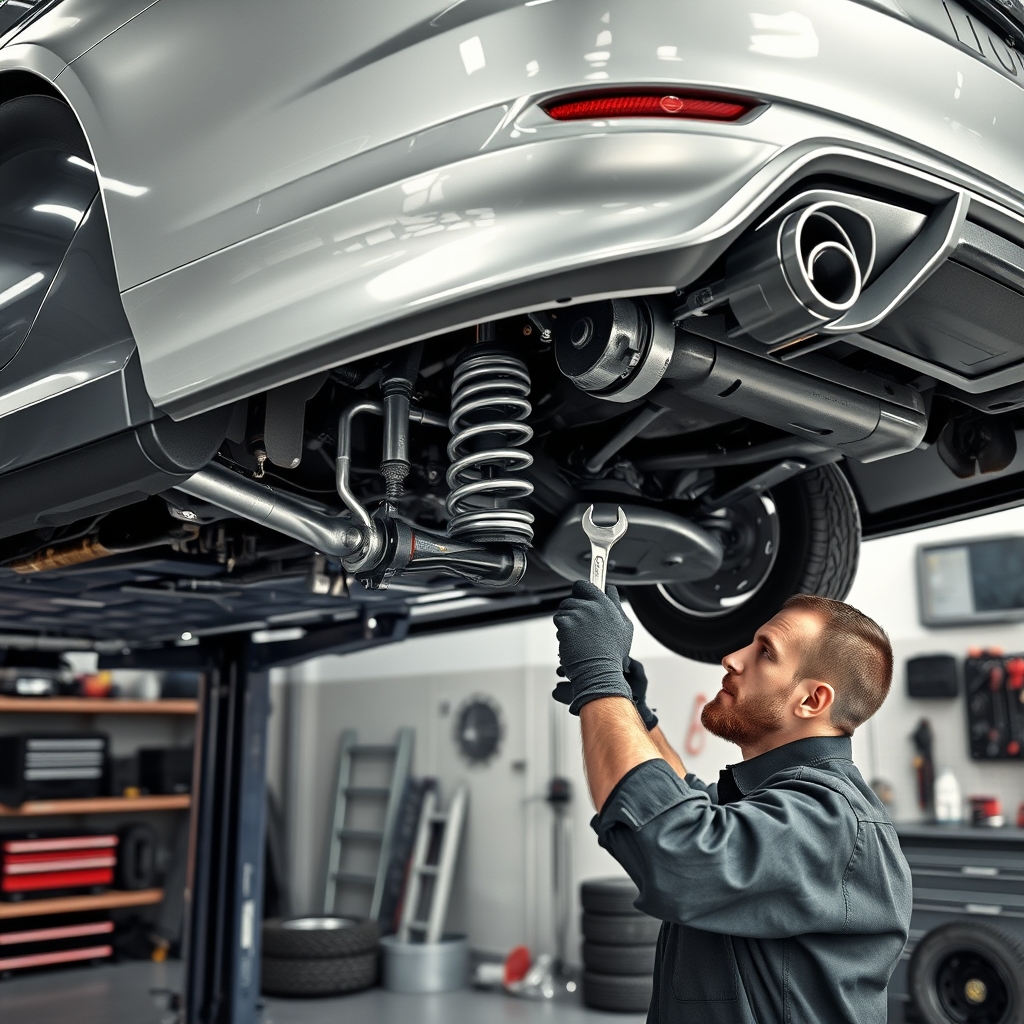
Your vehicle’s suspension system is one of the most critical components for ensuring a comfortable, safe, and controlled driving experience. It absorbs road imperfections, maintains tire contact with the pavement, and keeps your car stable during turns, acceleration, and braking. However, like all mechanical systems, suspension parts wear out over time, leading to poor handling, uneven tire wear, and even safety hazards. Understanding the key repairs and upgrades can help you maintain optimal performance and extend the life of your vehicle.
The Role of the Suspension System
The suspension system is a complex network of components designed to maximize friction between your tires and the road while providing steering stability and passenger comfort. It includes parts like shock absorbers, struts, control arms, ball joints, tie rods, and sway bars. Each element plays a unique role in ensuring your car responds predictably to driver inputs and road conditions. A well-maintained suspension system not only improves ride quality but also enhances safety by preventing excessive body roll, nose-diving during braking, and loss of traction.
Common Suspension Repairs You Shouldn’t Ignore
Over time, suspension components degrade due to constant stress, exposure to road debris, and environmental factors. Some of the most common repairs include:
Shock Absorber Replacement
Shock absorbers, or simply “shocks,” control the movement of your vehicle’s springs and suspension. When they wear out, you may notice excessive bouncing, longer stopping distances, or a harsh, jarring ride. Replacing worn shocks restores stability and comfort, especially on rough roads. Most manufacturers recommend replacing shocks every 50,000 to 100,000 miles, but this can vary based on driving conditions and vehicle type.
Wheel Alignment Service
Proper wheel alignment ensures your tires wear evenly and your vehicle tracks straight. Misalignment can occur from hitting potholes, curbs, or even minor accidents. Symptoms include uneven tire wear, pulling to one side, or a crooked steering wheel when driving straight. A professional alignment adjusts the angles of your wheels to manufacturer specifications, improving handling and extending tire life.
Ball Joint and Tie Rod End Repair
Ball joints and tie rod ends are critical for steering and suspension movement. Worn ball joints can cause clunking noises, loose steering, and even catastrophic failure if ignored. Similarly, damaged tie rod ends lead to poor alignment, uneven tire wear, and imprecise steering. These components should be inspected regularly, especially if you notice unusual noises or handling issues.
Suspension Bushing Upgrade
Bushings are small rubber or polyurethane components that cushion the connection points between suspension parts. Over time, they crack, harden, or wear out, leading to increased noise, vibration, and harshness (NVH). Upgrading to high-quality polyurethane bushings can improve handling responsiveness and durability, especially in performance or off-road vehicles.
Performance Upgrades for Enthusiasts
If you’re looking to enhance your vehicle’s handling beyond factory specifications, several suspension upgrades can make a significant difference. These modifications are popular among car enthusiasts, track-day participants, and off-road adventurers.
Coil Spring Suspension and Lowering Springs
Coil springs support your vehicle’s weight and determine ride height. Upgrading to performance lowering springs reduces body roll, improves cornering stability, and gives your car a more aggressive stance. However, lowering springs should be paired with compatible shock absorbers to avoid a harsh ride or premature wear. For a more adjustable solution, coilover kits allow you to fine-tune ride height and damping for optimal performance.
Sway Bar Link Kits
Sway bars, or anti-roll bars, reduce body lean during cornering by connecting the left and right sides of the suspension. Upgrading to thicker sway bars or adjustable sway bar links can significantly improve handling by minimizing body roll. This is particularly beneficial for sports cars and vehicles used in spirited driving or autocross events.
Air Suspension Conversion
Air suspension systems replace traditional coil springs with airbags, allowing for adjustable ride height and a smoother ride. While more common in luxury and custom vehicles, air suspension is gaining popularity among enthusiasts for its versatility. It enables you to raise your vehicle for off-road clearance or lower it for improved aerodynamics and aesthetics. However, air suspension systems require more maintenance and are generally more expensive than conventional setups.
Diagnosing Suspension Issues
Identifying suspension problems early can save you from costly repairs and potential safety risks. Some common signs of suspension issues include:
- Unusual Noises: Clunks, squeaks, or rattles when driving over bumps or turning may indicate worn ball joints, bushings, or sway bar links.
- Poor Handling: Excessive body roll, drifting, or a loose steering feel can signal worn shocks, struts, or alignment issues.
- Uneven Tire Wear: Cupping, feathering, or uneven tread wear often points to misalignment, worn suspension components, or improper tire inflation.
- Vibration or Pulling: A vibrating steering wheel or pulling to one side may indicate unbalanced wheels, worn wheel bearings, or damaged suspension parts.
If you notice any of these symptoms, it’s essential to have your vehicle inspected by a professional mechanic. Ignoring suspension issues can lead to further damage, compromised safety, and more expensive repairs down the road.
Wheel Bearing Service and Axle Shaft Replacement
Wheel bearings allow your wheels to rotate smoothly and with minimal friction. Over time, they can wear out, leading to a humming noise, vibration, or even wheel wobble. Replacing worn wheel bearings is crucial for safety, as a failed bearing can cause a wheel to seize or detach. Similarly, axle shafts transmit power from the transmission to the wheels, and damaged axles can lead to drivetrain issues or complete failure. Regular inspections can help catch these problems before they become serious.
Whether you’re driving a daily commuter, a weekend track car, or an off-road adventure vehicle, your suspension system plays a vital role in your driving experience. Regular maintenance, timely repairs, and strategic upgrades can keep your vehicle performing at its best, ensuring a smoother, safer, and more enjoyable ride. By staying proactive and addressing issues as they arise, you can extend the life of your suspension components and maintain the handling characteristics that make your vehicle unique. Every bump in the road becomes an opportunity to appreciate the engineering that keeps you connected to the pavement, turning an ordinary drive into an extraordinary experience.