
The Hidden Heroes of Your Ride: How Suspension Upgrades and Repairs Transform Driving Dynamics
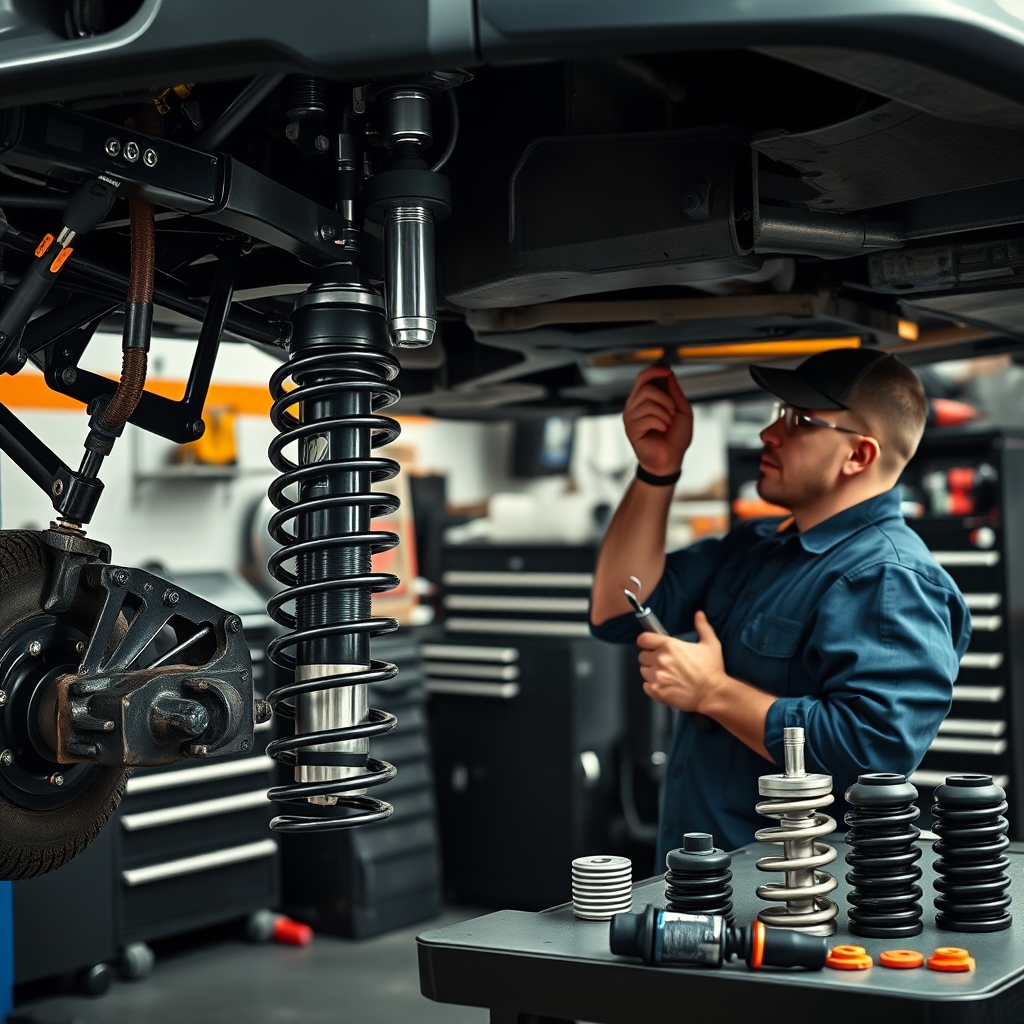
Your vehicle’s suspension system is the unsung hero of every drive, quietly working to ensure stability, comfort, and control. Yet, it’s often overlooked until something goes wrong—whether it’s a jarring bump, an unsettling clunk, or a drift that wasn’t there before. Understanding the critical components of your suspension and knowing when to repair or upgrade them can make the difference between a smooth, confident ride and a frustrating, potentially unsafe experience.
The Backbone of Your Vehicle’s Handling
At the heart of your suspension system lies a network of components designed to absorb shocks, maintain tire contact with the road, and support the vehicle’s weight. The control arm assembly, for instance, connects the wheel hub to the chassis, allowing for vertical movement while keeping the wheel aligned. Over time, the bushings within the control arm can wear out, leading to vague steering feel and uneven tire wear. Upgrading to polyurethane bushings can sharpen handling response and reduce flex, especially in performance-oriented vehicles.
Similarly, the strut assembly plays a dual role as both a shock absorber and a structural support. When struts wear out, they can cause excessive bouncing, nose-diving during braking, and even reduced stopping distances. Replacing them isn’t just about comfort—it’s a safety imperative. Pairing new struts with performance lowering springs can further enhance cornering stability, though it’s essential to ensure the springs are compatible with your vehicle’s weight and intended use.
When Silence Speaks Volumes: Diagnosing Suspension Noises
One of the first signs of suspension trouble is often an unfamiliar noise. A clunking sound when going over bumps could indicate worn ball joints or tie rod ends, both of which are critical for steering precision. Ignoring these symptoms can lead to catastrophic failure, such as a wheel detaching from the vehicle. Meanwhile, a grinding or humming noise at higher speeds might point to a failing wheel bearing, which, if left unchecked, can cause the wheel to seize.
For those with an ear for detail, undercarriage noise diagnostics can be a game-changer. Modern vehicles often have complex suspension setups, and pinpointing the exact source of a noise requires both experience and the right tools. A professional technician might use a stethoscope-like device to isolate sounds, or they may perform a road test to replicate the issue. In some cases, a simple wheel balancing service can eliminate vibrations that mimic suspension problems, saving time and unnecessary repairs.
From Stock to Stellar: Performance Upgrades Worth Considering
For enthusiasts looking to elevate their driving experience, suspension upgrades offer a world of possibilities. Sway bar link kits, for example, reduce body roll during aggressive cornering, making the vehicle feel more planted and responsive. Meanwhile, an air suspension conversion provides the ultimate in adjustability, allowing drivers to switch between a comfortable ride height and a lowered stance for improved aerodynamics.
Another popular modification is the installation of coil spring suspension with adjustable dampers. This setup allows for fine-tuning of ride quality and handling characteristics, whether you’re navigating twisty backroads or cruising on the highway. However, it’s crucial to work with a reputable shop that understands the nuances of independent suspension tuning, as improper adjustments can lead to poor handling or even damage to other components.
Old-School Reliability: The Role of Leaf Springs
While many modern vehicles rely on coil springs or air suspension, leaf springs remain a staple in trucks, SUVs, and some heavy-duty applications. These layered strips of steel provide robust load-bearing capacity and durability, but they’re not without their quirks. Over time, the leaf spring shackles—the pivot points that allow the springs to flex—can wear out, leading to a rough ride and misaligned axles. Replacing these shackles is a relatively straightforward job, but it’s one that can dramatically improve ride quality in older or work-oriented vehicles.
For those looking to modernize a leaf spring setup, aftermarket options like progressive-rate leaf springs offer a smoother ride under light loads while still providing the strength needed for heavy hauling. Pairing these with upgraded shock absorbers can further enhance comfort and control, making even the most utilitarian vehicles more enjoyable to drive.
The Long-Term Benefits of Proactive Maintenance
Suspension repairs and upgrades aren’t just about addressing immediate issues—they’re an investment in your vehicle’s longevity and your safety. Regular wheel alignment services, for instance, can prevent premature tire wear and improve fuel efficiency. Similarly, replacing worn chassis components like bushings and bearings can prevent more costly damage down the line, such as bent control arms or damaged steering racks.
For those who demand the best from their vehicles, performance-oriented upgrades like steering rack repairs or axle shaft replacements can unlock new levels of precision and responsiveness. Even something as simple as upgrading to a sway bar link kit can transform the way a car feels on the road, making it more engaging and enjoyable to drive.
Every component in your suspension system plays a role in how your vehicle interacts with the road. Whether you’re driving a daily commuter, a weekend track warrior, or a heavy-duty workhorse, paying attention to these often-overlooked parts can make all the difference. The next time you hit the road, take a moment to appreciate the silent work of your suspension—and consider whether it’s time to give it the attention it deserves. A well-maintained or thoughtfully upgraded suspension doesn’t just improve your ride; it transforms the way you experience the journey.