The Unsung Innovation of Electric Vehicle Body Repair: Navigating Challenges and Pioneering Solutions in Modern Auto Shops
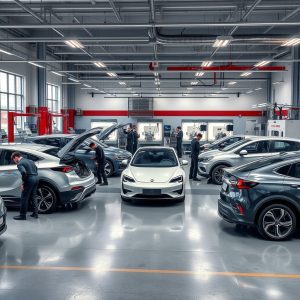
Electric vehicles (EVs) are not just transforming the way we drive—they’re revolutionizing the way we repair them. Unlike traditional internal combustion engine (ICE) vehicles, EVs introduce a unique set of challenges for collision repair technicians, from high-voltage safety protocols to specialized materials and structural considerations. As the automotive industry shifts toward electrification, auto shops must adapt their techniques, tools, and training to meet the demands of these cutting-edge machines. The evolution of electric vehicle body repair is not just about fixing dents or repainting panels; it’s about reimagining the entire repair process to ensure safety, precision, and longevity.
The High-Voltage Challenge: Safety First in EV Repairs
One of the most critical differences between repairing an EV and a conventional vehicle is the presence of high-voltage battery systems. These systems can carry voltages ranging from 400 to 800 volts or more, posing significant risks if mishandled. Auto body technicians must undergo specialized training to safely disable and isolate these systems before any repair work begins. This often involves following manufacturer-specific protocols, such as disconnecting the battery, wearing insulated gloves, and using non-conductive tools. The stakes are high—improper handling can lead to electrical shocks, fires, or even catastrophic battery failures. As a result, modern collision repair shops are investing in advanced diagnostic tools and safety equipment to mitigate these risks while ensuring compliance with industry standards.
Lightweight Materials and Structural Integrity
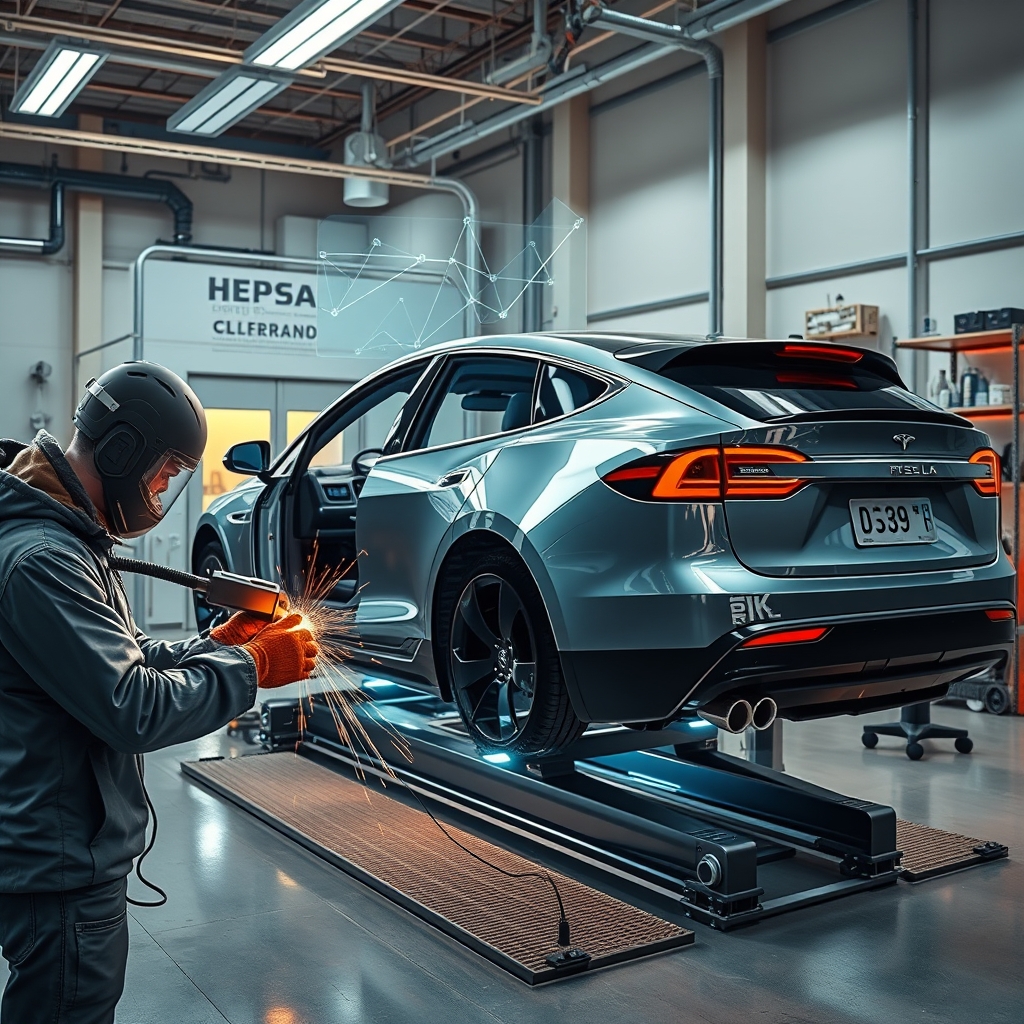
EVs are designed with lightweight materials like aluminum, carbon fiber, and high-strength steel to maximize efficiency and range. While these materials contribute to better performance, they also require specialized repair techniques. For instance, aluminum body panels, commonly used in vehicles like the Tesla Model S or Ford F-150 Lightning, demand different welding methods than traditional steel. Fiber laser welding has emerged as a preferred technique for joining aluminum components, offering precision and strength without compromising the material’s integrity. Additionally, EVs often feature unique structural designs, such as battery enclosures that double as part of the vehicle’s frame. Repairing these components requires a deep understanding of how they interact with the rest of the vehicle’s structure, ensuring that safety and performance are not compromised during the repair process.
The Role of Advanced Diagnostic Tools
Modern EVs are equipped with sophisticated onboard computers and sensors that monitor everything from battery health to collision detection. After an accident, these systems often require recalibration or reprogramming to ensure they function correctly. For example, advanced driver-assistance systems (ADAS) like Tesla’s Autopilot or Ford’s BlueCruise rely on cameras and sensors that may need realignment after a repair. Auto shops must invest in state-of-the-art diagnostic tools and software to address these needs, often collaborating with manufacturers to access proprietary repair procedures. This level of precision ensures that the vehicle’s safety features remain fully operational, providing peace of mind for both technicians and vehicle owners.
Paint and Refinishing Considerations
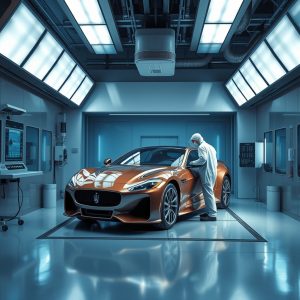
Refinishing an EV presents its own set of challenges, particularly when it comes to paint application. Many EVs feature large, seamless body panels that require flawless finishes to maintain their aesthetic appeal. Automotive spray booths equipped with advanced filtration and climate control systems are essential for achieving high-quality results. Additionally, EVs often incorporate unique paint technologies, such as self-healing clear coats or ceramic coatings, which require specialized application techniques. Technicians must be adept at working with these materials to ensure durability and a showroom-quality finish. Moreover, the use of waterborne paints, which are more environmentally friendly, is becoming increasingly common in EV refinishing, further emphasizing the need for modern equipment and training.
Corrosion Prevention and Long-Term Protection
EVs are not immune to the elements, and their lightweight materials can be susceptible to corrosion if not properly protected. This is where advanced corrosion prevention techniques come into play. Ceramic coatings, for example, provide a durable, hydrophobic layer that shields the vehicle’s body from moisture, road salt, and other corrosive agents. These coatings are particularly valuable for EVs, as they help preserve the vehicle’s structural integrity and aesthetic appeal over time. Additionally, auto shops are increasingly using smart repair systems to address minor corrosion issues before they escalate, ensuring that EVs remain in pristine condition for years to come.
The Future of EV Body Repair: Training and Innovation
As the adoption of electric vehicles continues to grow, so too does the need for skilled technicians who can repair them. Auto body repair shops are investing in ongoing training programs to keep their teams up to date with the latest EV repair techniques and technologies. This includes everything from high-voltage safety certifications to hands-on training with advanced tools like laser frame alignment systems and fiber laser welders. The future of EV body repair lies in the intersection of innovation and expertise, where technicians are not just fixing vehicles but pioneering new methods to meet the demands of an evolving industry.
The shift toward electric vehicles is more than just a trend—it’s a fundamental transformation of the automotive landscape. For collision repair technicians, this evolution presents both challenges and opportunities. By embracing advanced technologies, prioritizing safety, and committing to continuous learning, auto shops can not only keep pace with the changes but also lead the way in shaping the future of vehicle repair. The road ahead is electric, and those who adapt will be the ones driving the industry forward.