The Symphony of Silence: How Electric Vehicle Architecture and Smart Interiors Are Composing the Future of Mobility
The automotive industry is undergoing a transformative shift, where the boundaries between technology, sustainability, and human-centric design are blurring. At the heart of this evolution lies a delicate balance—one that harmonizes the raw efficiency of electric vehicle architecture with the intuitive elegance of smart interiors. This is not merely about building cars; it’s about composing an experience where every element, from the chassis to the cabin, plays a role in a larger symphony of silence, efficiency, and innovation.
The Foundation: Electric Vehicle Architecture
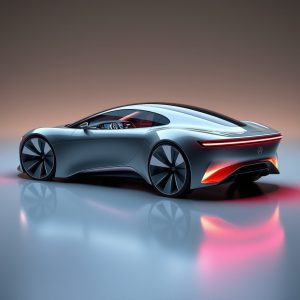
The backbone of any vehicle is its architecture, and in the realm of electric mobility, this foundation is being reimagined from the ground up. Unlike traditional internal combustion engine (ICE) vehicles, electric vehicles (EVs) are unshackled by the constraints of drivetrain layouts, exhaust systems, and fuel tanks. This freedom allows designers and engineers to explore radical new forms, where the battery pack, motors, and structural components are integrated seamlessly into the vehicle’s design.
Modular platform engineering has emerged as a game-changer in this space. By creating flexible, scalable architectures, manufacturers can develop a single platform that underpins multiple vehicle models—from compact city cars to spacious SUVs. This approach not only reduces development costs and time-to-market but also enables a higher degree of customization. For instance, the same modular platform can accommodate different battery sizes, motor configurations, and even autonomous driving hardware, allowing automakers to tailor vehicles to specific markets or customer needs without reinventing the wheel each time.
Lightweight structural design is another critical aspect of EV architecture. By leveraging advanced materials such as carbon fiber, aluminum alloys, and recyclable body composites, engineers can significantly reduce vehicle weight without compromising safety or performance. This reduction in mass directly translates to improved energy efficiency, extended range, and enhanced driving dynamics. Moreover, the use of sustainable materials aligns with the broader industry push toward circular economy principles, where every component is designed with its end-of-life in mind.
The Cabin Reimagined: Autonomous and Human-Centric
As the exterior of vehicles evolves, so too does the interior. The rise of autonomous driving technology is reshaping the very concept of a car cabin. No longer just a space for driving, the interior is transforming into a mobile living room, office, or even a sanctuary—where passengers can relax, work, or socialize while the vehicle handles the complexities of navigation. This shift demands a rethinking of cabin design, one that prioritizes flexibility, comfort, and seamless interaction with technology.
Autonomous cabin design is at the forefront of this revolution. With the driver’s attention no longer solely focused on the road, the interior can be optimized for a variety of activities. Seats can swivel to face each other, creating a conversational layout, or recline fully for a nap during long journeys. Storage solutions can be integrated into the cabin’s architecture, ensuring that personal items are always within reach without cluttering the space. The possibilities are endless, but the underlying principle remains the same: the cabin must adapt to the needs of its occupants, not the other way around.
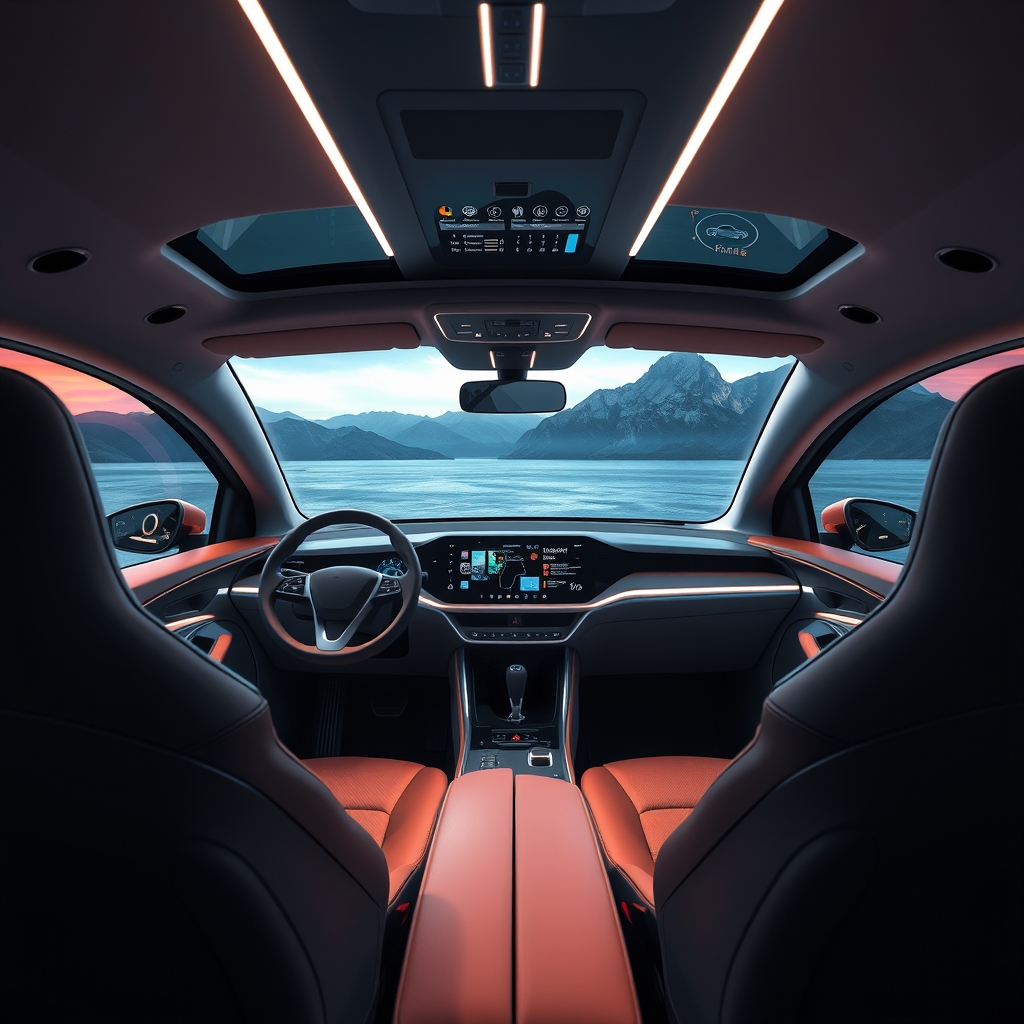
Human-centric lighting design plays a pivotal role in enhancing the cabin experience. Gone are the days of static, one-size-fits-all interior lighting. Today’s smart lighting systems can adjust color temperature, intensity, and even direction based on the time of day, the driver’s mood, or the vehicle’s mode of operation. For example, warm, dim lighting can create a calming atmosphere during a night drive, while cooler, brighter tones can help keep the driver alert during long commutes. Some advanced systems even mimic natural light patterns, helping to regulate passengers’ circadian rhythms and reduce fatigue.
Sustainable Materials: Beauty Meets Responsibility
The materials used in vehicle interiors are undergoing a quiet revolution of their own. As consumers become more environmentally conscious, automakers are turning to sustainable interior materials that reduce the carbon footprint without sacrificing aesthetics or durability. From vegan leather made from pineapple fibers or mushrooms to carpets woven from recycled plastics, the options are as diverse as they are innovative.
One standout example is the use of mycelium-based materials, which are grown from fungal networks and can be molded into various shapes and textures. These materials are not only biodegradable but also lightweight and strong, making them ideal for everything from dashboard panels to seat cushions. Similarly, algae-based foams are being explored for their potential to replace petroleum-based materials in upholstery, offering a renewable and carbon-negative alternative.
Beyond their environmental benefits, these materials also open up new avenues for design. The natural variations in texture and color can create unique, one-of-a-kind interiors that stand out from the mass-produced homogeneity of traditional automotive materials. This shift toward sustainability is not just a trend—it’s a fundamental reimagining of what luxury and quality mean in the context of modern mobility.
The Interface of Tomorrow: Minimalism Meets Intelligence
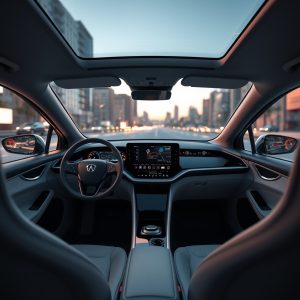
As vehicles become more connected and autonomous, the way we interact with them is also evolving. The traditional dashboard, cluttered with buttons, dials, and screens, is giving way to minimalist layouts that prioritize simplicity and intuitiveness. This shift is driven by the need to reduce cognitive load, allowing drivers to focus on the road (or, in the case of autonomous vehicles, on other activities) without being overwhelmed by information.
Minimalist dashboard layouts often feature clean lines, unobtrusive controls, and large, high-resolution displays that blend seamlessly into the cabin’s design. These displays can adapt to the driver’s needs, showing only the most relevant information at any given time. For example, during a manual drive, the focus might be on navigation and vehicle status, while in autonomous mode, the screen could transform into an entertainment hub or productivity tool.
Augmented reality (AR) dashboards are taking this concept even further. By overlaying digital information onto the real world, AR can provide drivers with intuitive, context-aware guidance. Imagine a heads-up display (HUD) that highlights the optimal driving line on a winding road, or a navigation system that projects turn-by-turn directions directly onto the road ahead. This technology not only enhances safety but also creates a more immersive and engaging driving experience.
Smart Glass and Holographic Interfaces: The Future of Interaction
Smart glass technology is another innovation poised to redefine the automotive interior. By integrating electrochromic or suspended particle devices (SPD) into windows and windshields, automakers can create dynamic surfaces that adjust their opacity, tint, or even display information. For instance, smart glass can darken automatically to block out glare, or switch to a transparent mode to provide an unobstructed view. In autonomous vehicles, windows could double as interactive screens, displaying everything from points of interest to augmented reality games for passengers.
Holographic user interfaces (HUIs) represent the next frontier in automotive interaction. Unlike traditional screens, which are limited to two dimensions, holographic displays create three-dimensional images that appear to float in mid-air. This technology enables entirely new ways of interacting with the vehicle, from gesture-controlled menus to immersive navigation experiences. For example, a holographic interface could project a 3D map of the surrounding area, allowing passengers to explore their route in real-time. The potential applications are vast, but the goal remains the same: to create an interface that is as intuitive as it is futuristic.
The journey toward the future of mobility is not just about the destination—it’s about the experience along the way. As electric vehicle architecture and smart interiors continue to evolve, they are not only redefining what a car can be but also how we interact with the world around us. The symphony of silence that these innovations compose is more than just the absence of noise; it’s the harmony of efficiency, sustainability, and human-centric design coming together to create something truly extraordinary. In this new era, the car is no longer just a machine—it’s a companion, a sanctuary, and a testament to the limitless possibilities of innovation.