The Art of Automotive Refinishing: How Hydrographics and Clear Coat Scratch Repair Are Redefining Vehicle Customization
In the ever-evolving world of automotive customization, the fusion of artistry and technology has given rise to techniques that not only restore vehicles but elevate them to works of art. Among these innovations, hydrographics water transfer printing and clear coat scratch repair stand out as game-changers, offering unparalleled precision and creativity in vehicle refinishing. These methods are not just about fixing imperfections; they are about transforming a car’s appearance into something truly unique, blending durability with aesthetic brilliance.
The Magic of Hydrographics: Where Water Meets Design
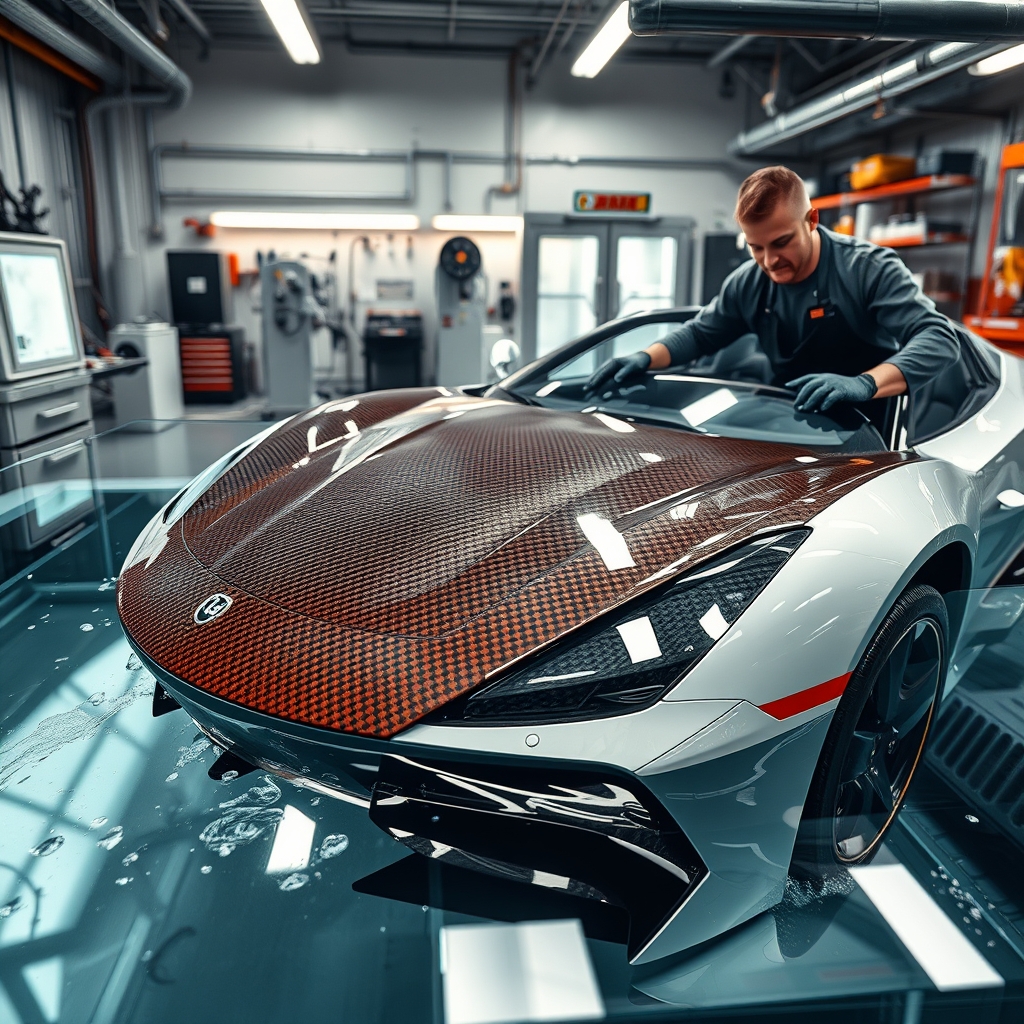
Hydrographics, also known as water transfer printing, is a process that allows intricate designs to be applied to three-dimensional surfaces with astonishing accuracy. The technique involves printing a design onto a specialized film, which is then floated on water. The vehicle part—whether it’s a dashboard, wheel rims, or even an entire body panel—is carefully dipped into the water, where the film adheres to its surface, wrapping around every contour seamlessly. The result is a flawless, high-definition pattern that appears painted on, yet without the limitations of traditional spray techniques.
What makes hydrographics particularly revolutionary is its versatility. From carbon fiber textures to camouflage patterns, wood grains, or even custom artwork, the possibilities are nearly endless. This method has become a favorite among car enthusiasts and professional customizers alike, as it allows for personalization that was once thought impossible. Moreover, hydrographics are not just about aesthetics; they also provide a protective layer that resists scratches, UV damage, and wear, ensuring that the design remains vibrant for years.
The Science Behind the Process
The success of hydrographics lies in the precision of its application. The water transfer process begins with surface preparation, where the vehicle part is cleaned, sanded, and primed to ensure optimal adhesion. The film, which carries the desired design, is then activated with a solvent that dissolves its backing, allowing it to float freely on the water’s surface. As the part is submerged, the film wraps around it, conforming to every curve and edge. Once the part is removed from the water, it is rinsed, dried, and sealed with a clear coat to lock in the design and enhance its durability.
One of the most impressive aspects of hydrographics is its ability to work on complex geometries. Unlike traditional painting methods, which can struggle with intricate shapes, hydrographics excel at covering even the most challenging surfaces, making it ideal for customizing everything from motorcycle helmets to entire car interiors. This adaptability has made it a staple in high-end automotive customization, where attention to detail is paramount.
Clear Coat Scratch Repair: Restoring Perfection with Precision
While hydrographics push the boundaries of customization, clear coat scratch repair is all about restoring a vehicle’s original glory. Clear coat scratches, those pesky imperfections that mar an otherwise flawless finish, can be a source of frustration for car owners. However, modern repair techniques have made it possible to eliminate these blemishes without the need for costly repainting or extensive labor.
The process begins with a thorough assessment of the scratch. Not all scratches are created equal—some may only affect the clear coat, while others may penetrate deeper into the paint or even the base material. For clear coat scratches, the repair process typically involves wet sanding the affected area to level the surface, followed by polishing to restore the shine. Advanced compounds and polishing machines are used to blend the repaired area seamlessly with the surrounding finish, making the scratch virtually invisible.
Innovations in Scratch Repair Technology
Recent advancements in scratch repair technology have further refined the process. For instance, the use of nano-polishing compounds allows technicians to fill in micro-scratches at a molecular level, achieving results that were once unimaginable. Additionally, color-matching technology ensures that any touch-up work blends perfectly with the vehicle’s original paint, maintaining its factory-fresh appearance. These innovations have made clear coat scratch repair faster, more affordable, and more effective than ever before, providing car owners with a cost-effective alternative to full repaints.
Another exciting development is the rise of mobile scratch repair services. Equipped with portable tools and high-quality materials, technicians can now perform repairs at the customer’s location, saving time and hassle. This convenience has made professional scratch repair accessible to a broader audience, further cementing its role in modern vehicle maintenance.
The Synergy of Hydrographics and Clear Coat Repair
While hydrographics and clear coat scratch repair serve different purposes, they share a common goal: to enhance and protect a vehicle’s appearance. When used together, these techniques can create a truly bespoke finish that reflects the owner’s personality and style. For example, a car with a hydrographics carbon fiber pattern on its hood can be further refined with clear coat scratch repair to ensure every detail is flawless. This synergy is what sets modern automotive refinishing apart, offering a level of customization and precision that was once reserved for luxury or show vehicles.
Moreover, both techniques emphasize the importance of durability. Hydrographics provide a protective layer that resists environmental damage, while clear coat repair ensures that minor imperfections do not compromise the overall finish. Together, they extend the lifespan of a vehicle’s aesthetic appeal, allowing owners to enjoy their customized ride for years to come.
Looking Ahead: The Future of Automotive Refinishing
As technology continues to advance, the possibilities for automotive refinishing are expanding. Emerging trends like 3D printing for custom parts, augmented reality for design visualization, and eco-friendly coatings are poised to further revolutionize the industry. Hydrographics and clear coat scratch repair are just the beginning—tools that empower both professionals and enthusiasts to push the boundaries of what’s possible in vehicle customization.
The art of automotive refinishing is no longer just about fixing what’s broken; it’s about reimagining what a vehicle can be. Whether through the mesmerizing patterns of hydrographics or the flawless restoration of clear coat scratch repair, today’s techniques are transforming cars into rolling canvases, where creativity and precision come together to create something truly extraordinary. As these methods continue to evolve, one thing is certain: the future of automotive customization is brighter, bolder, and more innovative than ever before.