The Evolution of Collision Repair Technology: Innovations Shaping the Future of Auto Body Restoration
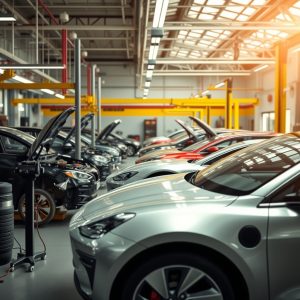
The automotive industry has seen remarkable advancements over the past few decades, and collision repair technology is no exception. From traditional methods that relied heavily on manual labor to cutting-edge techniques powered by automation and precision tools, the way we restore vehicles has transformed dramatically. These innovations not only enhance the quality of repairs but also improve efficiency, safety, and sustainability in the auto body restoration process.
The Rise of Paintless Dent Removal (PDR)
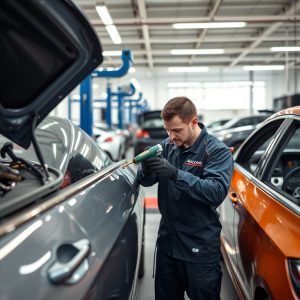
One of the most significant breakthroughs in collision repair is Paintless Dent Removal (PDR). This technique allows technicians to remove minor dents and dings without disturbing the original paint finish. Using specialized tools, such as metal rods and LED lighting systems, PDR technicians carefully massage the damaged area from behind the panel, restoring the vehicle’s surface to its original condition. The benefits of PDR are manifold: it’s faster, more cost-effective, and environmentally friendly since it eliminates the need for fillers, primers, and paint. For modern vehicles with advanced paint technologies, PDR is often the preferred method for preserving the factory finish.
How PDR Works
PDR relies on a deep understanding of metal properties and the behavior of automotive panels. Technicians use a combination of hand tools and precision instruments to gently push the dent outward. The process begins with an assessment of the damage, followed by gaining access to the backside of the panel—often requiring the removal of interior trim or tail lights. With the aid of reflective lighting, the technician can see the dent’s contours clearly and work meticulously to restore the panel. The result is a seamless repair that maintains the vehicle’s value and aesthetic appeal.
Automotive Paint Refinishing: Precision and Perfection
While PDR is ideal for minor damage, more severe collisions often require automotive paint refinishing. This process has evolved from basic spray techniques to highly sophisticated systems that ensure color matching, durability, and a flawless finish. Modern refinishing involves multiple stages, including surface preparation, primer application, color coating, and clear coat sealing. Advanced tools like computerized color matching systems and automotive spray booths with controlled environments have revolutionized the way paint is applied, reducing overspray and ensuring consistency.
The Role of Ceramic Coatings
In recent years, ceramic coating application has become a game-changer in automotive paint protection. Unlike traditional waxes or sealants, ceramic coatings form a chemical bond with the vehicle’s paint, creating a hydrophobic and scratch-resistant layer. This not only enhances the vehicle’s shine but also provides long-term protection against UV rays, chemicals, and environmental contaminants. For collision repair shops, offering ceramic coatings as an add-on service can significantly increase customer satisfaction and revenue.
Electric Vehicle Body Repair: A New Frontier
The rise of electric vehicles (EVs) has introduced new challenges and opportunities in collision repair. EVs often feature lightweight materials like aluminum and carbon fiber, which require specialized repair techniques. Additionally, the high-voltage systems in EVs demand strict safety protocols to prevent electrical hazards during repairs. Collision repair shops are now investing in training and equipment to handle EV-specific repairs, including battery pack inspections, aluminum body repair, and advanced diagnostics. As the adoption of EVs continues to grow, so too will the demand for skilled technicians who can navigate these complexities.
Aluminum Body Repair and Laser Frame Alignment
Aluminum has become a popular material in modern vehicle construction due to its lightweight and corrosion-resistant properties. However, repairing aluminum requires a different approach than traditional steel. Aluminum body repair involves specialized tools, such as aluminum-specific welders and rivet guns, to ensure structural integrity. Another critical innovation is laser frame alignment, which uses laser-guided systems to measure and restore a vehicle’s frame to factory specifications. This technology ensures that repairs are precise, reducing the risk of misalignment that could compromise safety and performance.
Smart Repair Systems and the Future of Collision Repair
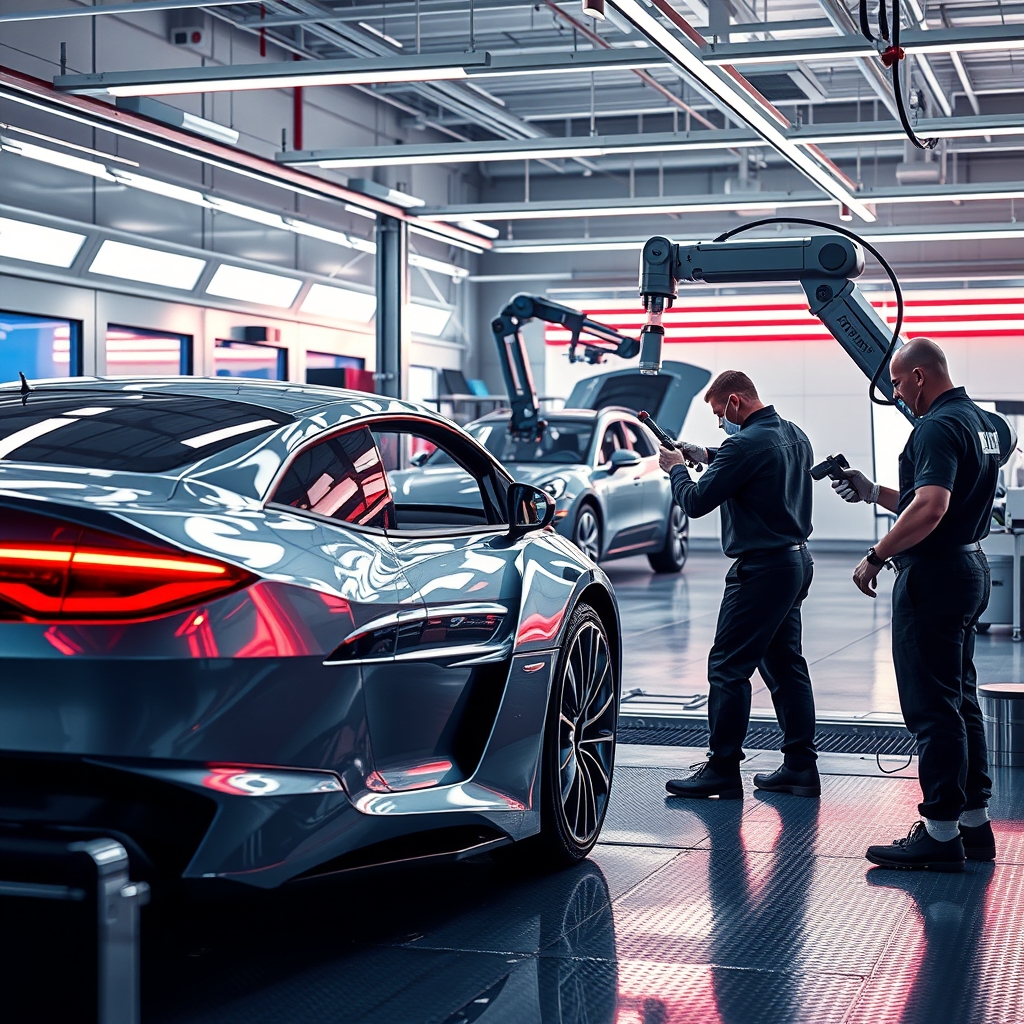
The future of collision repair lies in smart repair systems, which integrate automation, artificial intelligence, and advanced diagnostics. These systems can quickly assess damage, recommend repair strategies, and even automate certain tasks, such as sanding or painting. For example, robotic arms equipped with AI can perform tasks with unparalleled precision, reducing human error and speeding up the repair process. Additionally, augmented reality (AR) is being explored as a tool for training technicians and guiding them through complex repairs in real time.
Hydrographics and Custom Car Painting
Beyond structural repairs, collision repair shops are also expanding their services to include aesthetic enhancements. Hydrographics water transfer is a popular technique for applying intricate designs to vehicle interiors and exteriors. This process involves printing a design on a water-soluble film, which is then transferred to the vehicle’s surface. Similarly, custom car painting allows owners to personalize their vehicles with unique colors, patterns, and finishes. These services not only cater to individual tastes but also open new revenue streams for repair shops.
Preventing Vehicle Corrosion: A Proactive Approach
Corrosion is a silent enemy of vehicles, particularly in regions with harsh climates or road salt exposure. Vehicle corrosion prevention has become a critical aspect of collision repair, with shops offering treatments like rustproofing, undercoating, and ceramic coatings to protect against moisture and chemicals. Advanced materials, such as galvanized steel and corrosion-resistant alloys, are also being used in vehicle manufacturing to extend longevity. For repair shops, educating customers about corrosion prevention can help them maintain their vehicles’ value and safety over time.
As collision repair technology continues to evolve, the industry is poised for even greater advancements. From paintless dent removal to electric vehicle repairs and smart repair systems, these innovations are reshaping the way we restore and protect our vehicles. For technicians and shop owners, staying ahead of these trends is not just about keeping up with the competition—it’s about delivering the highest quality repairs and ensuring customer satisfaction in an ever-changing automotive landscape. The future of auto body restoration is bright, and those who embrace these technologies will lead the way in setting new standards for excellence.