The Unsung Heroes of Auto Body Restoration: Mastering Hydrographics and Smart Repair Systems for Flawless Results
In the world of auto body restoration, some of the most transformative techniques often go unnoticed by the average car owner. Yet, these methods—like hydrographics and smart repair systems—are the unsung heroes that breathe new life into vehicles, blending artistry with cutting-edge technology. Whether it’s a minor scratch or a full custom paint job, these processes ensure that every repair is not just functional but visually seamless, preserving both the value and the beauty of the vehicle.
The Art of Hydrographics: Where Water Meets Creativity
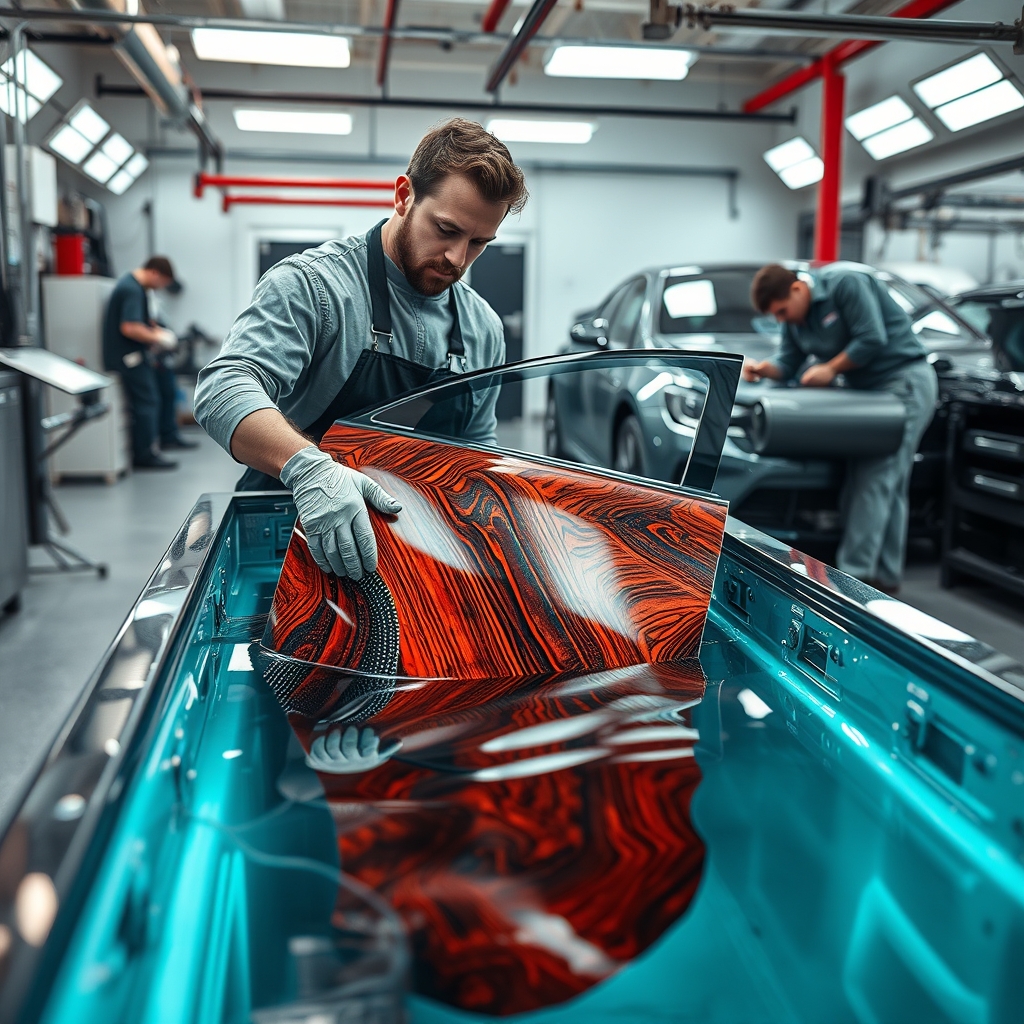
Hydrographics, also known as water transfer printing, is a process that allows intricate designs to be applied to three-dimensional surfaces with stunning precision. Unlike traditional painting methods, hydrographics uses a water-soluble film that adheres to the vehicle’s surface when submerged. The result? A flawless, wrap-around finish that can mimic everything from carbon fiber to exotic wood grain or even custom artwork. This technique is particularly popular for interior trim, dashboards, and even entire vehicle exteriors, offering a level of customization that was once unimaginable.
The process begins with preparing the surface, ensuring it’s clean and free of imperfections. The hydrographic film, printed with the desired pattern, is then floated on a tank of water. The vehicle part is carefully dipped into the water, where the film wraps around its contours, creating a seamless finish. After drying, a clear coat is applied to protect the design, ensuring durability and longevity. The beauty of hydrographics lies in its versatility—it can be used on plastic, metal, and even fiberglass, making it a go-to choice for both OEMs and aftermarket customization.
Why Hydrographics Stands Out
One of the biggest advantages of hydrographics is its ability to create complex patterns without the need for multiple layers of paint or decals. This not only saves time but also reduces the risk of errors that can occur with traditional painting techniques. Additionally, hydrographics is environmentally friendly, as it produces minimal waste compared to conventional spray painting. For auto body shops, this means faster turnaround times and lower costs, while customers enjoy a unique, high-quality finish that sets their vehicle apart.
Smart Repair Systems: The Future of Minor Damage Restoration
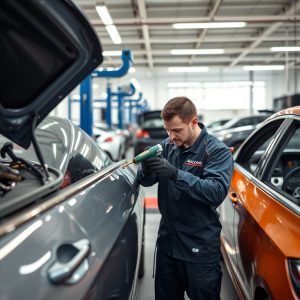
While hydrographics excels in customization, smart repair systems are revolutionizing the way minor auto body damage is addressed. These systems, often referred to as “SMART” (Small to Medium Area Repair Technology), are designed to repair dents, scratches, and chips without the need for full panel replacement or repainting. This approach is not only cost-effective but also minimizes downtime for vehicle owners, making it an increasingly popular choice for dealerships and collision centers alike.
Smart repair systems rely on a combination of advanced tools and techniques, such as paintless dent removal (PDR), spot painting, and precision blending. For example, PDR uses specialized tools to massage dents from the inside out, restoring the panel to its original shape without disturbing the factory finish. Similarly, spot painting allows technicians to blend new paint seamlessly with the existing finish, ensuring that repairs are virtually undetectable. These methods are particularly effective for minor damage, such as door dings, hail damage, or small scratches, where a full repaint would be unnecessary.
The Benefits of Smart Repair Systems
The rise of smart repair systems has been driven by their efficiency and cost-effectiveness. For auto body shops, these systems reduce material waste and labor costs, allowing them to offer competitive pricing while maintaining high-quality standards. For customers, the benefits are equally compelling—faster repairs, lower costs, and the preservation of their vehicle’s original finish. Additionally, smart repair systems are often more environmentally friendly, as they reduce the need for harsh chemicals and excessive paint usage.
Combining Hydrographics and Smart Repair for Flawless Results
While hydrographics and smart repair systems serve different purposes, they share a common goal: to restore vehicles to their original—or even enhanced—condition with minimal disruption. When used together, these techniques can transform a damaged or outdated vehicle into a work of art. For example, a car with minor dents and scratches can first undergo smart repair to restore its panels, followed by hydrographics to apply a custom design. The result is a vehicle that not only looks brand new but also reflects the owner’s unique style.
Auto body shops that master these techniques are positioning themselves at the forefront of the industry, offering services that go beyond traditional collision repair. By embracing innovation and creativity, they’re not just fixing vehicles—they’re redefining what it means to restore them. Whether it’s through the precision of hydrographics or the efficiency of smart repair systems, the future of auto body restoration is here, and it’s more exciting than ever.
The next time you see a vehicle with a flawless finish or a custom design, take a moment to appreciate the craftsmanship behind it. These techniques may operate behind the scenes, but their impact is anything but invisible. They’re the silent guardians of automotive beauty, ensuring that every vehicle—no matter its age or condition—can shine like new.