The Evolution of Collision Repair: How Advanced Techniques in Paintless Dent Removal and Aluminum Body Repair Are Shaping the Future of Auto Body Shops
In the ever-evolving world of automotive repair, the collision repair industry has seen a remarkable transformation over the past decade. What was once a labor-intensive process involving extensive sanding, filling, and repainting has now become a sophisticated blend of art and technology. Modern auto body shops are embracing advanced techniques that not only restore vehicles to their pre-accident condition but also enhance their durability, aesthetics, and value. Among these innovations, Paintless Dent Removal (PDR) and Aluminum Body Repair stand out as game-changers, redefining the standards of precision, efficiency, and sustainability in collision repair.
The Rise of Paintless Dent Removal: Preserving Originality with Precision
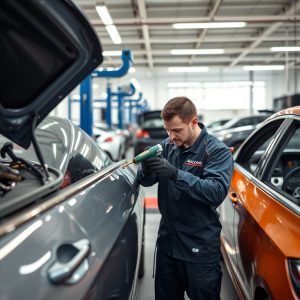
Paintless Dent Removal, or PDR, has revolutionized the way minor dents and dings are addressed in modern auto body shops. Unlike traditional methods that often require repainting and extensive surface preparation, PDR involves meticulously massaging the damaged area from behind the panel to restore its original shape. This technique is not only faster but also preserves the vehicle’s factory finish, which is a critical factor in maintaining its resale value.
The process begins with a thorough assessment of the damage, where technicians use specialized lighting and tools to determine the depth and accessibility of the dent. Once the area is evaluated, skilled technicians employ a variety of tools, including metal rods and tabs, to gently push the dent outward. The precision required in PDR is unparalleled, as even the slightest miscalculation can result in further damage. However, when executed correctly, PDR leaves no trace of the repair, making it an ideal solution for minor damages caused by hail, door dings, or minor collisions.
One of the most significant advantages of PDR is its cost-effectiveness. Since the process eliminates the need for fillers, sanding, and repainting, it reduces both labor and material costs. Additionally, PDR is an eco-friendly option, as it minimizes the use of harmful chemicals and reduces waste. As more consumers become environmentally conscious, the demand for sustainable repair methods like PDR continues to grow, positioning it as a cornerstone of modern collision repair.
The Challenges and Innovations in Aluminum Body Repair
As automotive manufacturers increasingly turn to lightweight materials to improve fuel efficiency and performance, aluminum has become a staple in modern vehicle construction. However, repairing aluminum presents a unique set of challenges that differ significantly from traditional steel body repair. Aluminum is softer, more malleable, and prone to oxidation, which requires specialized tools, techniques, and training to ensure a flawless repair.
One of the primary challenges in aluminum body repair is its susceptibility to heat distortion. Unlike steel, aluminum conducts heat more efficiently, which means that even minor welding or grinding can cause warping or weakening of the surrounding material. To combat this, auto body technicians use advanced techniques such as fiber laser welding, which allows for precise, localized heat application. This method minimizes the risk of distortion and ensures a strong, durable bond between aluminum panels.
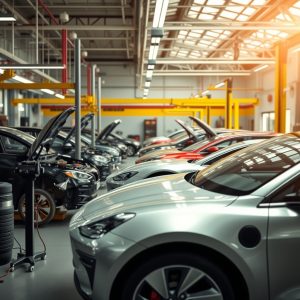
Another critical aspect of aluminum repair is corrosion prevention. Aluminum naturally forms a protective oxide layer when exposed to air, but this layer can be compromised during the repair process. To address this, technicians use specialized primers and sealants designed to protect the metal from moisture and environmental contaminants. Additionally, modern auto body shops are equipped with dedicated aluminum repair bays to prevent cross-contamination with steel particles, which can accelerate corrosion.
The complexity of aluminum body repair has also led to the development of advanced training programs for technicians. Organizations like the Inter-Industry Conference on Auto Collision Repair (I-CAR) offer specialized certifications in aluminum repair, ensuring that technicians are equipped with the knowledge and skills needed to handle these materials safely and effectively. As more vehicles incorporate aluminum into their construction, the demand for skilled aluminum repair technicians continues to rise, making it a critical area of focus for the future of collision repair.
The Role of Technology in Modern Collision Repair
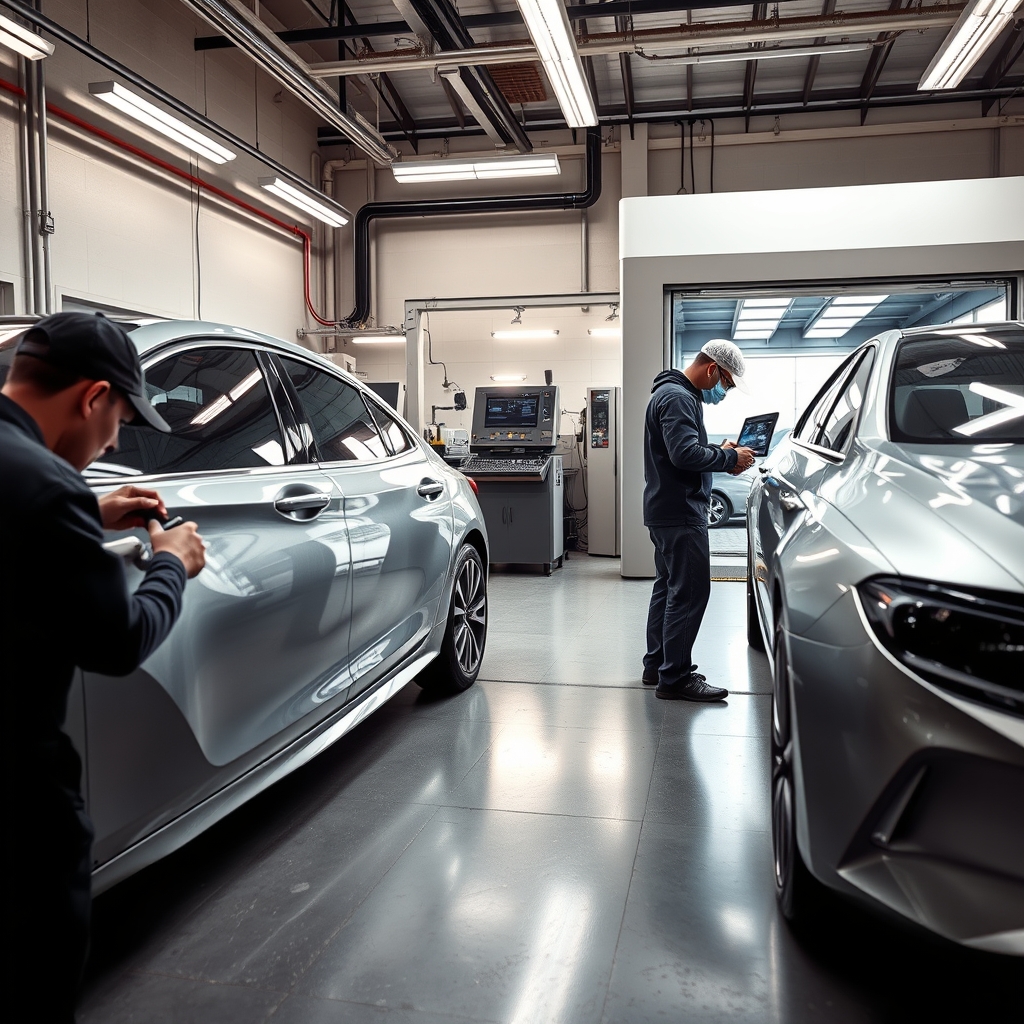
The integration of technology has been a driving force behind the evolution of collision repair. From laser frame alignment systems to smart repair systems, modern auto body shops are leveraging cutting-edge tools to enhance precision and efficiency. Laser frame alignment, for example, uses advanced measuring systems to assess structural damage with unparalleled accuracy. This technology allows technicians to identify even the slightest misalignments in a vehicle’s frame, ensuring that repairs are performed to manufacturer specifications.
Similarly, smart repair systems have streamlined the process of addressing minor damages, such as scratches and chips. These systems use advanced imaging technology to analyze the damage and apply precise amounts of filler, paint, and clear coat, resulting in a seamless repair. The efficiency of smart repair systems not only reduces turnaround times but also minimizes material waste, making them a sustainable choice for both auto body shops and consumers.
Another technological advancement that has transformed collision repair is the use of automotive spray booths. These state-of-the-art facilities are designed to provide a controlled environment for painting and refinishing, ensuring optimal conditions for temperature, humidity, and airflow. Modern spray booths are equipped with advanced filtration systems that capture overspray and harmful chemicals, reducing their environmental impact. Additionally, these booths are designed to maximize efficiency, allowing technicians to complete refinishing work with greater speed and precision.
The Future of Collision Repair: Sustainability and Customization
As the automotive industry continues to evolve, so too does the collision repair sector. One of the most significant trends shaping the future of auto body shops is the emphasis on sustainability. With growing concerns about climate change and environmental impact, consumers and manufacturers alike are seeking eco-friendly solutions in all aspects of vehicle ownership, including repair and maintenance. Techniques like PDR and smart repair systems align with this trend by reducing waste and minimizing the use of harmful chemicals.
Customization is another key trend driving innovation in collision repair. As consumers seek to personalize their vehicles, auto body shops are expanding their offerings to include services like custom car painting, hydrographics water transfer, and ceramic coating application. These services allow vehicle owners to express their individuality while also enhancing the durability and protection of their cars. For example, ceramic coatings provide a long-lasting, hydrophobic layer that protects the paint from UV damage, scratches, and environmental contaminants, making them a popular choice for enthusiasts and everyday drivers alike.
The collision repair industry is at a crossroads, where tradition meets innovation. The advancements in techniques like Paintless Dent Removal and aluminum body repair are not just improving the quality of repairs but also redefining the expectations of consumers and manufacturers. As technology continues to advance, auto body shops will play an increasingly vital role in ensuring that vehicles remain safe, aesthetically pleasing, and environmentally responsible. The journey of restoring a vehicle to its former glory is no longer just about fixing what’s broken; it’s about embracing the future of automotive care and craftsmanship. The tools and techniques may evolve, but the commitment to excellence remains the driving force behind every repair, ensuring that every vehicle that leaves the shop is a testament to the skill and dedication of the professionals who brought it back to life.