The Silent Revolution: How Advanced Auto Body Filler and Smart Repair Systems Are Redefining Collision Restoration
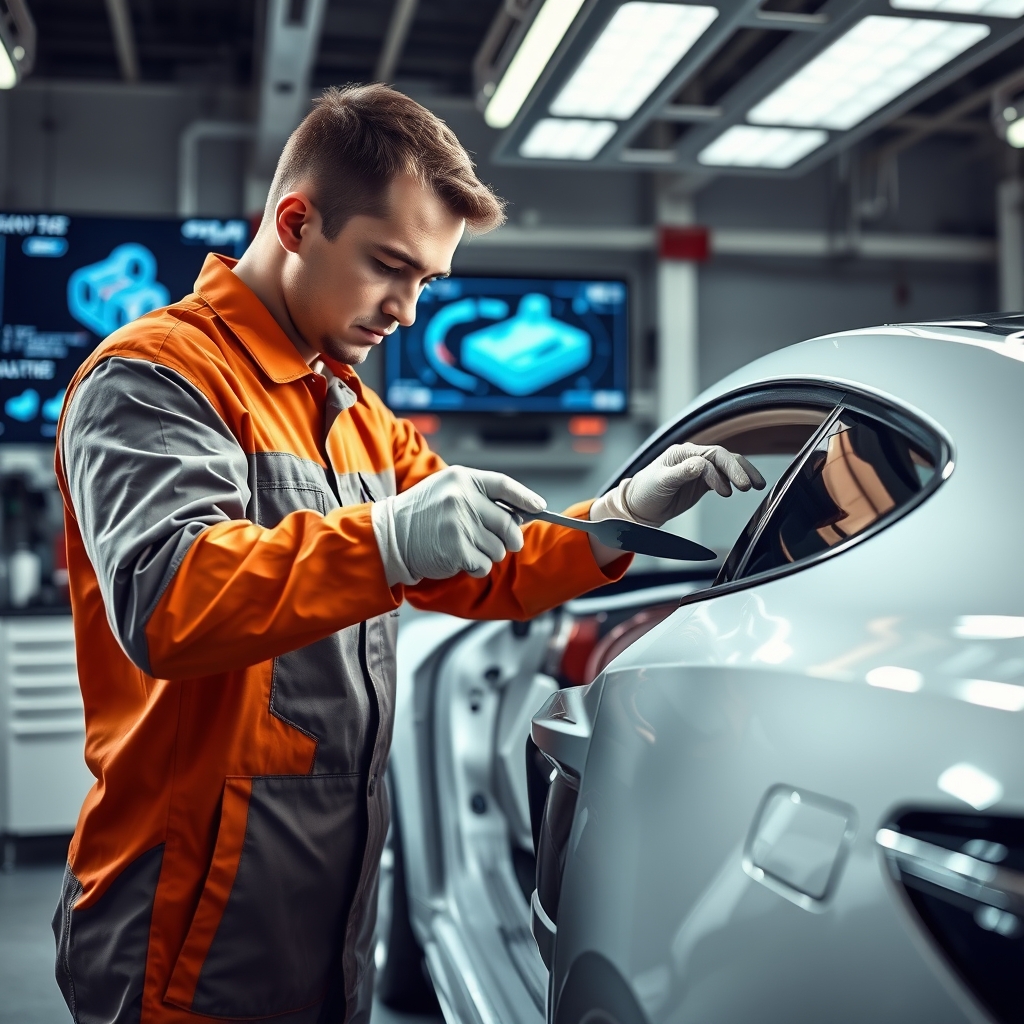
In the world of collision repair, where precision and perfection are paramount, few processes are as quietly transformative as the application of advanced auto body filler. What was once a labor-intensive, time-consuming task has evolved into a sophisticated blend of art and science, thanks to modern materials and innovative techniques. Today’s auto body fillers are not just about filling dents—they’re about restoring structural integrity, enhancing durability, and ensuring a flawless finish that stands the test of time.
The Evolution of Auto Body Filler: From Basic to High-Tech
Gone are the days when body filler was a simple, one-size-fits-all solution. Modern auto body fillers are engineered with advanced polymers and lightweight composites that offer superior adhesion, reduced shrinkage, and enhanced sanding properties. These innovations allow technicians to achieve smoother surfaces with less effort, reducing the time spent on sanding and refining. Additionally, many of today’s fillers are formulated to be more resistant to heat, moisture, and corrosion, ensuring that repairs last longer and maintain their integrity under various environmental conditions.
One of the most significant advancements in this space is the development of lightweight fillers designed specifically for aluminum and other modern vehicle materials. Traditional fillers often struggled with adhesion on non-ferrous metals, leading to premature failure or compromised repairs. However, today’s specialized fillers bond seamlessly with aluminum, carbon fiber, and even high-strength steel, making them indispensable in modern collision repair shops.
The Role of Smart Repair Systems in Streamlining Filler Application
While advanced fillers have revolutionized the repair process, the integration of smart repair systems has taken efficiency and precision to new heights. These systems leverage digital technology to assess damage, guide filler application, and even automate certain aspects of the repair process. For instance, some smart repair systems use laser scanning and 3D imaging to map out dents and imperfections, providing technicians with a precise blueprint for filler application. This not only reduces guesswork but also minimizes material waste, ensuring that only the necessary amount of filler is used.
Another game-changing innovation is the use of automated mixing systems for body fillers. These systems ensure consistent ratios of filler to hardener, eliminating human error and resulting in a more uniform cure. This consistency translates to smoother finishes and fewer imperfections, reducing the need for additional sanding or rework. Additionally, some smart repair systems incorporate real-time monitoring of filler curing times, allowing technicians to optimize their workflow and move on to the next step as soon as the material is ready.
Precision in Practice: The Art of Filler Application
Despite these technological advancements, the application of auto body filler remains a skill that requires a keen eye and a steady hand. Technicians must carefully prepare the surface, ensuring it is clean, dry, and free of contaminants that could compromise adhesion. The filler is then applied in thin, even layers, with each layer allowed to cure before the next is added. This layering technique not only ensures a stronger bond but also allows for finer control over the final shape and contour of the repair.
Once the filler has cured, the real artistry begins. Technicians use a combination of sanding blocks, orbital sanders, and hand-sanding techniques to refine the surface, gradually blending the repaired area with the surrounding panel. The goal is to achieve a seamless transition, where the repaired section is indistinguishable from the original. This level of precision is what sets modern collision repair apart, transforming what was once a visible blemish into an invisible restoration.
The Synergy Between Filler and Paint Refinishing
The relationship between auto body filler and automotive paint refinishing is a symbiotic one. A flawless filler application sets the stage for a perfect paint job, while advanced refinishing techniques can enhance the durability and appearance of the repaired area. For example, the use of high-build primers can help fill minor imperfections left after sanding, creating an ultra-smooth surface for the base coat and clear coat to adhere to. Similarly, modern clear coat technologies, such as ceramic-infused coatings, can provide an additional layer of protection, ensuring that the repaired area remains resistant to UV damage, scratches, and environmental contaminants.
In some cases, collision repair shops are also incorporating hydrographics or water transfer printing into the refinishing process. This technique allows for intricate patterns and designs to be applied over the repaired area, turning a once-damaged panel into a custom work of art. When combined with advanced filler and refinishing techniques, hydrographics can elevate a standard repair into a unique, personalized statement.
The Future of Auto Body Filler and Smart Repair Systems
As vehicles continue to evolve, so too will the materials and techniques used in collision repair. The rise of electric vehicles (EVs) and advanced lightweight materials presents new challenges and opportunities for auto body filler technology. For instance, EVs often feature unique structural components and battery enclosures that require specialized repair techniques. Future fillers may be formulated to bond with these materials while also providing the necessary electrical insulation or thermal resistance.
Additionally, the integration of artificial intelligence (AI) and machine learning into smart repair systems could further revolutionize the industry. Imagine a system that not only scans and maps damage but also predicts the optimal filler type, application technique, and curing time based on the specific material and environmental conditions. Such advancements could drastically reduce repair times, improve consistency, and enhance the overall quality of collision repairs.
The journey of auto body filler from a basic repair material to a high-tech solution is a testament to the relentless innovation driving the collision repair industry. As smart repair systems continue to evolve and new materials emerge, the possibilities for restoring vehicles to their former glory—or even enhancing them beyond their original state—are limitless. The silent revolution in auto body repair is not just about fixing what’s broken; it’s about redefining what’s possible, one seamless repair at a time.