The Next Generation of Auto Body Restoration: How Electric Vehicle Repairs and Advanced Materials Are Shaping the Industry

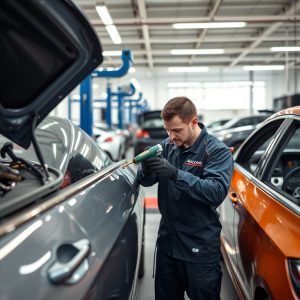
The automotive industry is undergoing a seismic shift, driven by the rise of electric vehicles (EVs) and the adoption of advanced materials like aluminum and carbon fiber. These innovations are not only transforming how cars are designed and manufactured but also redefining the standards and techniques used in auto body restoration. For collision repair shops, staying ahead of these changes is no longer optional—it’s a necessity to remain competitive and deliver the precision and quality that modern vehicles demand.
The Unique Challenges of Electric Vehicle Body Repair
Electric vehicles present a host of unique challenges for auto body repair professionals. Unlike traditional internal combustion engine (ICE) vehicles, EVs are built with high-voltage battery systems, lightweight materials, and intricate electronic components that require specialized knowledge and tools. One of the most critical considerations in EV repair is safety. High-voltage systems can pose serious risks if mishandled, making it essential for technicians to undergo rigorous training in EV-specific repair protocols. Many manufacturers now offer certification programs to ensure that repair shops are equipped to handle these vehicles safely and effectively.
Beyond safety, EVs often feature advanced driver-assistance systems (ADAS) that are integrated into the vehicle’s structure. These systems rely on sensors and cameras that are frequently located in bumpers, mirrors, and other areas prone to damage in a collision. Repairing or replacing these components requires precise calibration to ensure that the vehicle’s safety features function as intended. Failure to properly recalibrate ADAS can compromise the vehicle’s performance and put drivers at risk, making this a critical step in the repair process.
The Rise of Advanced Materials in Auto Body Restoration
As automakers strive to improve fuel efficiency and reduce emissions, the use of lightweight materials like aluminum, carbon fiber, and high-strength steel has become increasingly common. While these materials offer significant benefits in terms of performance and sustainability, they also present unique challenges for collision repair. Aluminum, for example, is more prone to corrosion and requires specialized welding techniques to avoid compromising its structural integrity. Traditional steel welding methods can weaken aluminum, leading to potential safety hazards if not handled correctly.
Carbon fiber, another lightweight material gaining popularity, is even more complex to repair. Unlike metal, carbon fiber cannot be welded or reshaped. Instead, damaged sections must be carefully cut out and replaced with new panels, often requiring advanced techniques like fiber laser welding to ensure a seamless finish. These processes demand a high level of skill and precision, as well as access to specialized equipment that many traditional repair shops may not yet possess.
The Role of Smart Repair Systems in Modern Collision Repair
To address the complexities of repairing advanced materials and EV components, many auto body shops are turning to smart repair systems. These systems leverage cutting-edge technology to streamline the repair process, improve accuracy, and reduce turnaround times. One of the most significant advancements in this space is the use of laser frame alignment systems, which allow technicians to precisely measure and restore a vehicle’s structural integrity. These systems use laser-guided technology to identify even the smallest misalignments, ensuring that the vehicle is restored to its original specifications.
Smart repair systems also include advanced diagnostic tools that can quickly assess the extent of damage and recommend the most effective repair strategies. For example, some systems use 3D scanning technology to create detailed models of a vehicle’s structure, allowing technicians to identify hidden damage that might not be visible to the naked eye. This level of precision is particularly important for EVs, where even minor misalignments can affect the vehicle’s performance and safety.
Innovations in Automotive Paint Refinishing and Protection
As vehicle materials and designs evolve, so too do the techniques used in automotive paint refinishing. Modern refinishing processes must account for the unique properties of advanced materials, as well as the growing demand for customization and long-term protection. Ceramic coating application has emerged as a popular solution for enhancing a vehicle’s durability and aesthetic appeal. These coatings create a protective layer that shields the paint from environmental damage, UV rays, and minor scratches, while also providing a high-gloss finish that can last for years.
For collision repair shops, offering ceramic coating services can be a valuable revenue stream, as many vehicle owners are willing to invest in long-term protection for their cars. However, applying ceramic coatings requires a controlled environment, such as an automotive spray booth, to ensure a flawless finish. These booths are designed to minimize dust and contaminants, providing the ideal conditions for applying coatings and refinishing paint. Additionally, advancements in clear coat scratch repair techniques have made it possible to restore a vehicle’s finish to like-new condition, even after significant damage.
The Future of Auto Body Restoration: Embracing Change
The auto body restoration industry is at a crossroads, with new technologies and materials reshaping the way repairs are performed. For repair shops, adapting to these changes is not just about staying relevant—it’s about delivering the highest level of service and safety to customers. Investing in training, equipment, and certifications for EV repairs and advanced materials will be key to thriving in this evolving landscape. As vehicles become more complex, the demand for skilled technicians who can navigate these challenges will only continue to grow.
The shift toward electric vehicles and lightweight materials is not a passing trend but a fundamental change in the automotive industry. Repair shops that embrace these innovations and equip themselves with the tools and knowledge to handle them will be well-positioned to lead the next generation of auto body restoration. The future of collision repair is here, and it’s defined by precision, technology, and a commitment to excellence that ensures every vehicle leaves the shop in better condition than it arrived.