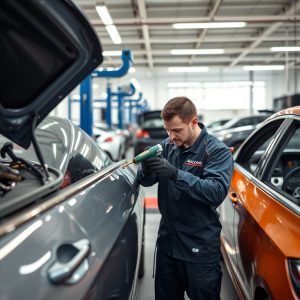
The Hidden World of Car Panel Replacement: Precision, Innovation, and the Future of Collision Repair

In the fast-evolving world of collision repair, few processes demand as much precision, skill, and technological integration as car panel replacement. Whether it’s a minor fender bender or a major structural overhaul, replacing a vehicle’s panel is not just about aesthetics—it’s about restoring safety, performance, and integrity. Modern auto body shops are leveraging cutting-edge tools, advanced materials, and innovative techniques to ensure that every panel replacement is seamless, durable, and indistinguishable from the original. But what exactly goes into this intricate process, and how are emerging technologies reshaping the way professionals approach it?
The Anatomy of a Car Panel Replacement
Car panels are more than just sheet metal or composite covers—they are engineered components designed to absorb impact, protect occupants, and maintain the vehicle’s structural rigidity. When a panel is damaged beyond repair, replacing it involves several critical steps, each requiring a blend of technical expertise and meticulous attention to detail.
Assessment and Disassembly
The first step in any panel replacement is a thorough assessment of the damage. Technicians use advanced diagnostic tools, including 3D scanning and laser measuring systems, to determine the extent of the damage and whether a replacement is necessary. Once the decision is made, the disassembly process begins. This involves carefully removing trim, sensors, wiring harnesses, and any other components attached to the panel. In modern vehicles, especially those with advanced driver-assistance systems (ADAS), this step is particularly delicate, as improper handling can disrupt calibration or damage sensitive electronics.
Precision Cutting and Alignment
After disassembly, the damaged panel must be removed. This is where precision cutting tools, such as plasma cutters or fiber laser welders, come into play. Unlike traditional methods that relied on brute force and manual saws, modern tools allow technicians to make clean, controlled cuts with minimal heat distortion. Once the old panel is removed, the new panel is test-fitted to ensure proper alignment. Laser frame alignment systems are often used here to verify that the vehicle’s structure remains within manufacturer specifications, ensuring that the replacement panel integrates seamlessly with the rest of the body.
The Role of Advanced Materials in Panel Replacement
The materials used in car panels have evolved significantly over the years, and today’s vehicles feature a mix of steel, aluminum, carbon fiber, and high-strength composites. Each material presents unique challenges and requires specialized techniques for replacement.
Aluminum: Lightweight but Demanding
Aluminum has become increasingly popular in modern vehicles due to its lightweight properties, which improve fuel efficiency and performance. However, working with aluminum requires a different skill set compared to traditional steel. Aluminum is more prone to warping and corrosion if not handled correctly, and it demands specialized welding techniques, such as MIG or TIG welding, to ensure strong, durable bonds. Auto body shops must invest in dedicated aluminum repair tools and training to handle these materials effectively.
High-Strength Steel and Composites
High-strength steel is commonly used in safety-critical areas of a vehicle, such as the frame and reinforcement beams. Replacing panels made from this material requires precise welding and heat control to maintain the steel’s structural integrity. Composites, such as carbon fiber, are even more challenging. These materials cannot be welded and often require adhesive bonding or mechanical fasteners. Technicians must follow strict manufacturer guidelines to ensure that the replacement panel meets safety and performance standards.
Innovations Shaping the Future of Panel Replacement
The collision repair industry is undergoing a technological revolution, and panel replacement is no exception. From automation to smart repair systems, these innovations are streamlining the process, improving accuracy, and reducing turnaround times.
Smart Repair Systems and Automation
Smart repair systems are transforming the way auto body shops approach panel replacement. These systems use AI-driven diagnostics and robotic assistance to identify damage, recommend repair strategies, and even perform certain tasks autonomously. For example, some advanced shops now use robotic arms equipped with laser scanners to measure and cut panels with unparalleled precision. This not only reduces human error but also speeds up the repair process, allowing shops to handle more vehicles without compromising quality.
Fiber Laser Welding: The Game-Changer
Fiber laser welding has emerged as a game-changer in panel replacement. Unlike traditional welding methods, fiber lasers produce a concentrated beam of light that delivers precise, high-energy welds with minimal heat distortion. This is particularly beneficial for working with aluminum and high-strength steel, where excessive heat can compromise the material’s properties. Fiber laser welding also allows for cleaner, stronger welds, reducing the need for additional finishing work and improving the overall durability of the repair.
3D Printing and Custom Panels
While still in its early stages, 3D printing is poised to revolutionize panel replacement, especially for rare or discontinued vehicles. Some auto body shops are already experimenting with 3D-printed panels, which can be customized to match the exact specifications of the original part. This technology is particularly useful for classic car restoration, where finding original replacement panels can be a challenge. As 3D printing technology advances, it may become a standard tool in collision repair, offering faster turnaround times and greater flexibility.
The Importance of Post-Replacement Finishing
Once the new panel is installed, the work is far from over. The finishing process is just as critical as the replacement itself, as it ensures that the vehicle looks and performs like new. This involves several key steps, including seam sealing, priming, painting, and clear coat application.
Seam Sealing and Corrosion Prevention
Seam sealing is a crucial step in preventing moisture and debris from entering the vehicle’s structure, which can lead to corrosion over time. Technicians apply specialized sealants to the joints and edges of the new panel, ensuring a watertight barrier. For added protection, many shops also apply corrosion-resistant coatings, such as ceramic coatings, to extend the lifespan of the repair and protect against environmental damage.
Precision Painting and Refinishing
Achieving a flawless paint match is one of the biggest challenges in panel replacement. Modern auto body shops use computerized color-matching systems to ensure that the new panel blends seamlessly with the rest of the vehicle. Advanced spray booths equipped with climate control and filtration systems help technicians apply paint evenly and consistently, while clear coat scratch repair techniques ensure a smooth, glossy finish. For vehicles with custom paint jobs, shops may use hydrographics water transfer printing to replicate intricate designs and patterns.
As vehicles continue to evolve, so too must the techniques and technologies used in collision repair. Car panel replacement is no longer just about swapping out damaged parts—it’s about integrating advanced materials, precision tools, and innovative methods to restore a vehicle to its original condition, or even better. The future of panel replacement lies in automation, smart repair systems, and sustainable practices, ensuring that every repair is not only efficient but also built to last. With these advancements, auto body shops are not just fixing cars—they’re redefining what it means to restore them to their full potential, one panel at a time.