
The Pulse of Tomorrow: How Augmented Reality, Smart Glass, and Kinetic Aesthetics Are Redefining the Automotive Experience
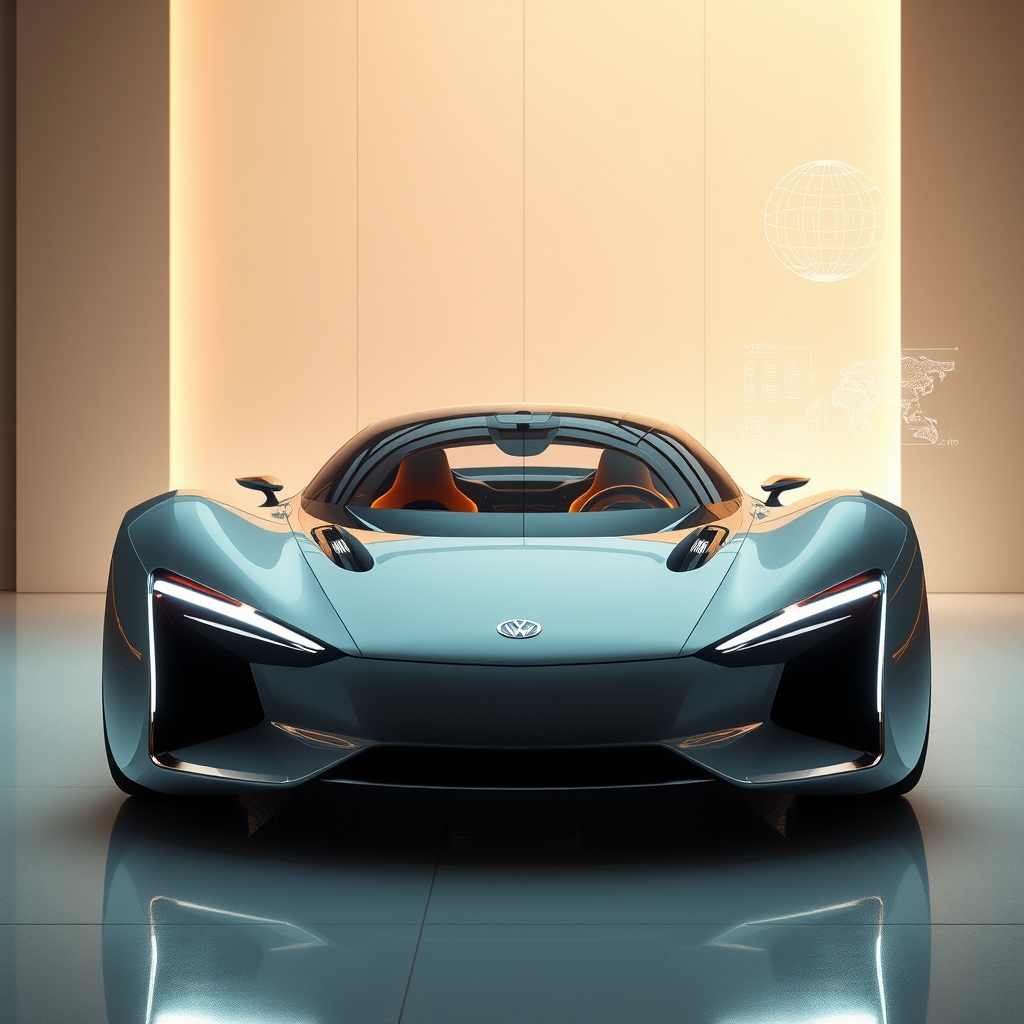
The automotive industry is undergoing a metamorphosis, one where the boundaries between technology, sustainability, and artistry blur into a seamless vision of the future. At the heart of this transformation lies a relentless pursuit of innovation, where every curve, material, and digital interface is meticulously crafted to enhance not just performance, but the very essence of human interaction with machines. This evolution is not merely about creating faster or more efficient vehicles; it is about reimagining the relationship between driver, passenger, and the world outside the windshield.
The Augmented Reality Dashboard: A Window to a Smarter World
Imagine a dashboard that doesn’t just display information but transforms the entire driving experience into an interactive journey. Augmented Reality (AR) dashboards are no longer a figment of science fiction; they are rapidly becoming a cornerstone of modern automotive design. By overlaying real-time data onto the driver’s field of vision—such as navigation cues, hazard alerts, or even points of interest—AR dashboards eliminate the need for drivers to divert their attention from the road. This technology doesn’t just enhance safety; it creates a symbiotic relationship between the vehicle and its environment, where the car anticipates needs before they arise.
Brands like Mercedes-Benz and BMW are already integrating AR into their heads-up displays (HUDs), projecting critical information directly onto the windshield. The next frontier? Seamless integration with autonomous systems, where the dashboard evolves into a dynamic canvas that adapts to the driver’s mood, preferences, and even the time of day. The result is a driving experience that feels less like operating a machine and more like engaging with a living, breathing entity.
Smart Glass Technology: The Invisible Revolution
While AR dashboards redefine how we interact with information, smart glass technology is revolutionizing the very fabric of the vehicle’s interior and exterior. Electrochromic glass, which can switch between transparent and opaque states at the touch of a button, is already being used in luxury vehicles to enhance privacy and reduce glare. But the potential of smart glass extends far beyond these applications.
Future vehicles may feature glass that dynamically adjusts its tint based on external light conditions, reducing the need for air conditioning and improving energy efficiency. Imagine a panoramic roof that not only provides an unobstructed view of the sky but also generates solar energy to power the vehicle’s systems. Some concepts even explore the idea of glass that can display images or videos, turning windows into interactive screens. This technology doesn’t just enhance aesthetics; it redefines the very notion of what a vehicle’s surface can do.
Biomimetic Aesthetics: Nature as the Ultimate Designer
The quest for aerodynamic efficiency has long driven automotive design, but the next wave of innovation is taking inspiration from an unlikely source: nature itself. Biomimetic design, which emulates the forms and functions found in the natural world, is giving rise to vehicles that are not only more efficient but also more visually striking. From the streamlined shapes of fish to the structural resilience of spider silk, nature’s blueprints are being translated into automotive design with remarkable results.
Take, for example, the concept of kinetic exterior styling, where vehicle surfaces adapt dynamically to improve aerodynamics. Inspired by the way birds adjust their feathers in flight, some designers are exploring panels that can shift or flex to reduce drag at high speeds. Others are drawing from the hexagonal patterns of honeycombs to create lightweight, ultra-strong body structures. These designs don’t just push the boundaries of engineering; they create a visual language that feels organic, fluid, and alive.
Human-Centric Lighting: Illuminating the Future of Comfort
The interior of a vehicle is no longer just a space to sit; it is a sanctuary, a mobile extension of the home or office. Human-centric lighting design is playing a pivotal role in this transformation, using light to enhance comfort, well-being, and even cognitive performance. Unlike traditional static lighting, human-centric systems adapt to the time of day, the driver’s biometrics, and even the weather outside, creating an environment that feels intuitive and responsive.
For instance, warm lighting in the evening can promote relaxation, while cooler tones in the morning can help drivers feel more alert. Some advanced systems even mimic the natural progression of daylight, helping to regulate circadian rhythms during long drives. When combined with smart glass, these lighting systems can create a harmonious blend of illumination and transparency, making the cabin feel more spacious and connected to the outside world. The result is an interior that doesn’t just look futuristic but feels inherently human.
Modular Platforms: The Backbone of Flexibility
As vehicles become more complex and diverse, the need for flexible, adaptable platforms has never been greater. Modular engineering allows manufacturers to create a single base architecture that can be customized for different vehicle types, from compact city cars to sprawling SUVs. This approach not only reduces development costs but also enables faster innovation, as new technologies can be integrated without redesigning the entire vehicle.
Electric vehicle (EV) platforms, in particular, are leading the charge in modular design. Tesla’s skateboard chassis, for example, separates the battery pack, motors, and suspension into a single, scalable unit that can underpin a wide range of vehicles. This modularity extends to the interior, where seating configurations, storage solutions, and even dashboard layouts can be tailored to individual preferences. The future of automotive design lies in this flexibility, where vehicles are no longer static products but evolving ecosystems that adapt to the needs of their users.
The Holographic Interface: A Glimpse into the Future
If AR dashboards represent the present of automotive interfaces, holographic user interfaces (HUIs) are the future. These systems project three-dimensional images into the air, allowing drivers and passengers to interact with virtual controls and displays without touching a screen. The potential applications are vast: from adjusting climate settings with a wave of the hand to visualizing navigation routes in 3D space, HUIs promise to make interactions more intuitive and immersive.
Companies like WayRay and Continental are already developing holographic displays that can be integrated into vehicles, offering a level of interactivity that feels like something out of a sci-fi movie. When combined with AI-driven personalization, these interfaces could learn a driver’s habits and preferences, anticipating needs before they are even expressed. The result is a driving experience that feels less like operating a machine and more like conversing with an intelligent companion.
The automotive industry stands at the precipice of a new era, where technology and design converge to create experiences that are as emotionally resonant as they are functionally superior. The vehicles of tomorrow will not just transport us from one place to another; they will engage our senses, adapt to our needs, and even inspire us. As augmented reality, smart glass, and biomimetic aesthetics continue to evolve, they will redefine what it means to move through the world, turning every journey into an opportunity for discovery and connection. The road ahead is not just about reaching a destination; it is about embracing the journey itself, in all its dynamic, ever-changing glory.