
The Future of Automotive Design: Where Innovation Meets Sustainability and Efficiency
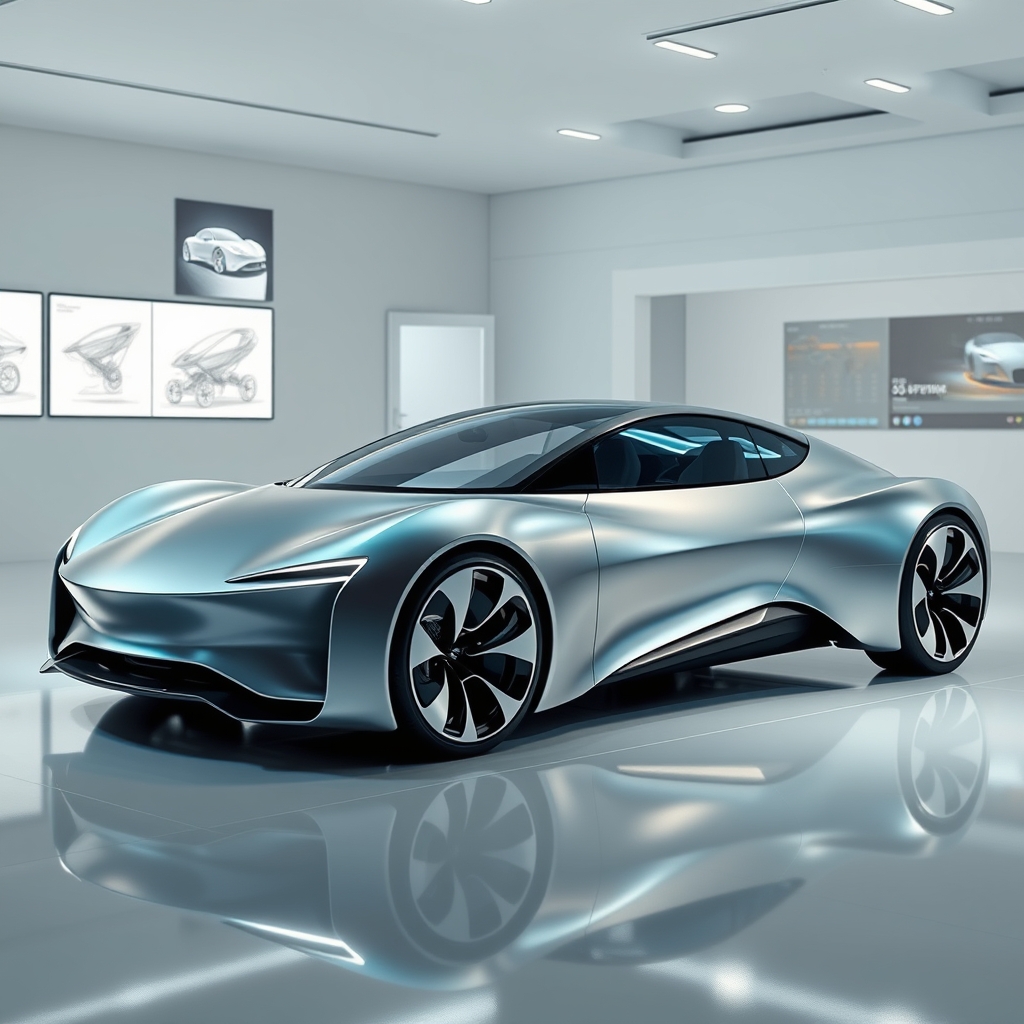
The automotive industry is undergoing a transformative shift, driven by advancements in technology, sustainability, and user-centric design. Gone are the days when vehicles were merely machines built for transportation. Today, they are evolving into intelligent, adaptive, and eco-conscious entities that redefine the relationship between humans and mobility. At the heart of this evolution lies a fusion of aerodynamic efficiency, sustainable interior materials, and electric vehicle architecture, all converging to create the next generation of automobiles.
The Aerodynamic Revolution
One of the most critical factors in modern automotive design is aerodynamic efficiency. Reducing drag isn’t just about improving speed—it’s about enhancing energy efficiency, extending range, and minimizing environmental impact. Automakers are now leveraging computational fluid dynamics (CFD) and generative automotive design to create shapes that slice through the air with minimal resistance. Concepts like active aerodynamics systems, which adjust spoilers, grilles, and underbody panels in real-time, are becoming standard in high-performance and electric vehicles.
But aerodynamics isn’t just about function—it’s also about form. Biomimetic vehicle aesthetics, inspired by nature’s most streamlined creatures, are shaping the visual language of futuristic concept cars. From the sleek curves of a shark’s body to the adaptive wings of a bird, designers are drawing inspiration from the natural world to create vehicles that are as beautiful as they are efficient.
Sustainability at the Core
As the world grapples with climate change, the automotive industry is making strides toward sustainability, not just in propulsion but in every aspect of vehicle construction. Recyclable body composites and sustainable interior materials are replacing traditional plastics, leathers, and metals. Innovations like mycelium-based leather, recycled ocean plastics, and plant-derived foams are reducing the carbon footprint of car interiors without compromising luxury or durability.
Beyond materials, modular platform engineering is enabling automakers to build multiple vehicle models on a single, flexible architecture. This approach not only reduces manufacturing waste but also allows for easier upgrades and recycling at the end of a vehicle’s life cycle. The shift toward electric vehicle architecture further amplifies these benefits, as EVs require fewer moving parts and can be designed with sustainability in mind from the ground up.
Redefining the Cabin Experience
The interior of a vehicle is no longer just a space for seating—it’s an extension of the driver’s lifestyle, a mobile office, or even a sanctuary. Autonomous cabin design is reimagining how we interact with our cars, prioritizing comfort, connectivity, and adaptability. With the rise of self-driving technology, traditional dashboards are being replaced by minimalist dashboard layouts that reduce clutter and enhance focus.
Smart glass technology is another game-changer, allowing windows to tint dynamically, display augmented reality navigation, or even transform into interactive touchscreens. Meanwhile, human-centric lighting design adjusts color temperature and intensity to match the driver’s circadian rhythm, reducing fatigue and improving well-being. For those seeking the ultimate in futuristic interiors, holographic user interfaces and seamless display integration are turning dashboards into immersive, 3D experiences.
The Role of Digital Innovation
Digital tools are revolutionizing how vehicles are designed, prototyped, and manufactured. Digital twin prototyping allows engineers to create virtual replicas of cars, simulating real-world conditions to test performance, safety, and efficiency before a single physical part is produced. This not only accelerates development but also reduces material waste and costs.
Generative automotive design is another breakthrough, using AI to explore thousands of design variations based on predefined parameters. This approach enables automakers to discover innovative shapes and structures that human designers might overlook. Meanwhile, clay model digitalization is bridging the gap between traditional craftsmanship and modern technology, allowing designers to refine physical models with digital precision.
The Aesthetics of Motion
Exterior design is also undergoing a radical transformation, with kinetic exterior styling introducing dynamic elements that respond to speed, driving conditions, and even the driver’s mood. Imagine a car whose body panels subtly shift to optimize aerodynamics or whose lighting adapts to the surrounding environment. These innovations aren’t just about aesthetics—they’re about creating a deeper connection between the vehicle and its driver.
As we look to the future, the lines between form and function, sustainability and performance, and technology and artistry will continue to blur. The cars of tomorrow won’t just be machines—they’ll be living, breathing extensions of our lives, designed to move us forward in more ways than one. The journey has only just begun, and the road ahead is as exciting as it is limitless.