The Hidden Precision of Scratch and Dent Removal: How Modern Techniques Are Preserving Vehicle Value and Aesthetics
In the world of automotive care, the smallest imperfections can have the largest impact. A minor scratch or a barely noticeable dent might seem trivial, but for car owners, these flaws are more than just surface-level issues—they represent a decline in value, a blemish on pride of ownership, and a potential gateway to more serious damage. The art and science of scratch and dent removal have evolved dramatically in recent years, blending cutting-edge technology with time-honored craftsmanship to restore vehicles to their original glory. This transformation is not just about aesthetics; it’s about preserving the integrity, value, and longevity of one of the most significant investments a person can make.
The Evolution of Scratch and Dent Removal
Gone are the days when fixing a scratch or dent meant sanding down the entire panel, applying layers of filler, and repainting the area—a process that was time-consuming, expensive, and often left visible imperfections. Today, collision repair technology has advanced to the point where minor damages can be addressed with minimal intrusion, often without the need for repainting. This shift has been driven by innovations in tools, materials, and techniques, as well as a deeper understanding of automotive finishes and structural integrity.
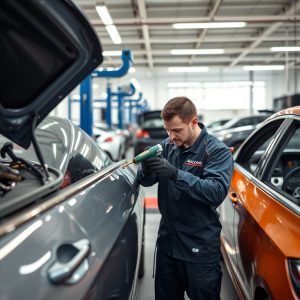
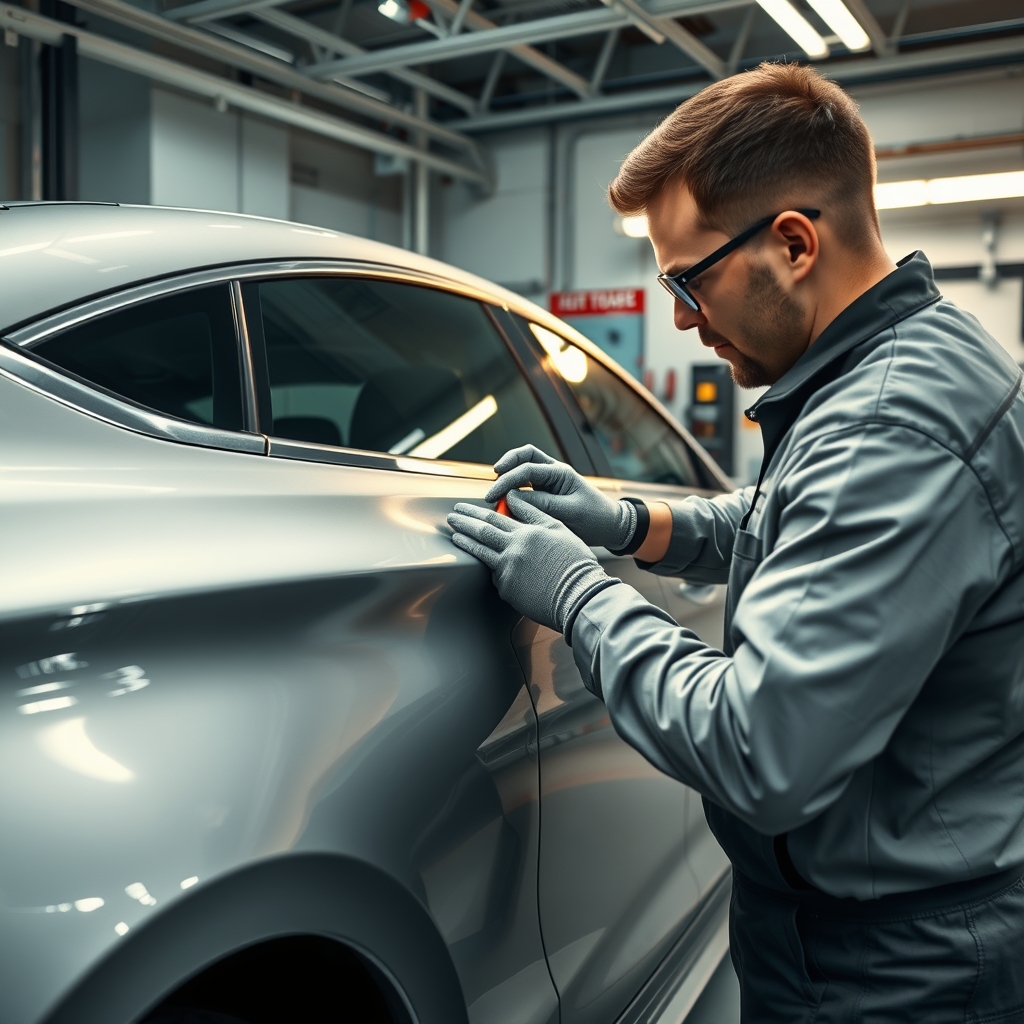
One of the most significant breakthroughs in this field is Paintless Dent Removal (PDR). This technique involves carefully massaging the metal back into its original shape from behind the panel, using specialized tools that apply precise pressure without damaging the paint. PDR is particularly effective for hail damage, door dings, and minor creases, where the paint remains intact. The process is not only faster and more cost-effective than traditional methods but also preserves the vehicle’s original factory finish, which is a critical factor in maintaining its resale value.
The Role of Smart Repair Systems
While PDR has revolutionized the way dents are repaired, Smart Repair Systems have transformed the approach to scratches and more complex surface damages. These systems utilize advanced materials and techniques to repair localized damage without the need for full-panel refinishing. For instance, spot painting and blending techniques allow technicians to seamlessly integrate repaired areas with the surrounding paint, ensuring a flawless finish that is virtually undetectable.
Smart Repair Systems also incorporate clear coat scratch repair, a process that involves carefully polishing out superficial scratches and restoring the protective clear coat layer. This technique is particularly valuable for maintaining the gloss and depth of a vehicle’s finish, as well as protecting it from environmental damage. By addressing scratches early, car owners can prevent them from deepening and exposing the underlying metal to corrosion, which can lead to more extensive and costly repairs down the line.
The Science Behind Seamless Repairs
The success of modern scratch and dent removal lies in the meticulous attention to detail and the application of scientific principles. For example, understanding the properties of automotive paint—such as its elasticity, curing process, and adhesion—is crucial for achieving repairs that are both durable and aesthetically pleasing. Technicians must also consider the type of metal used in the vehicle’s body, as different materials (e.g., steel, aluminum, or carbon fiber) require distinct approaches to avoid warping or weakening the structure.
Another critical factor is the use of automotive spray booths, which provide a controlled environment for refinishing. These booths ensure that dust, debris, and other contaminants are kept away from the repair area, allowing for a smooth, high-quality finish. Advanced spray booths also incorporate climate control and filtration systems to optimize the curing process, ensuring that the paint adheres properly and dries evenly. This level of precision is essential for achieving a seamless repair that matches the vehicle’s original finish.
Innovations in Tools and Materials
The tools and materials used in scratch and dent removal have also seen significant advancements. For instance, laser frame alignment technology is now being adapted to assist in the precise measurement and correction of minor dents, ensuring that the vehicle’s structural integrity is maintained. Similarly, fiber laser welding is being explored for its potential to repair small cracks or imperfections in metal panels without the need for extensive disassembly or replacement.
In the realm of materials, auto body fillers have evolved to become more versatile and easier to work with. Modern fillers are designed to bond seamlessly with the vehicle’s metal, providing a smooth surface that can be sanded and painted without shrinking or cracking over time. Additionally, the development of ceramic coatings has provided an extra layer of protection for repaired areas, enhancing durability and resistance to future damage.
The Impact on Vehicle Value and Longevity
The benefits of advanced scratch and dent removal extend far beyond aesthetics. For car owners, these techniques offer a cost-effective way to maintain their vehicle’s value, particularly for leased or high-end vehicles where appearance plays a significant role in resale or trade-in value. By addressing minor damages promptly, owners can prevent them from escalating into more serious issues, such as rust or structural compromise, which can drastically reduce a vehicle’s lifespan.
Moreover, the ability to restore a vehicle to its original condition without invasive procedures means that the integrity of the factory finish is preserved. This is especially important for modern vehicles, which often feature advanced paint technologies, such as self-healing clear coats or multi-layer finishes, that are difficult to replicate with aftermarket refinishing. By using techniques like PDR and Smart Repair Systems, technicians can ensure that these advanced finishes remain intact, providing long-term protection and maintaining the vehicle’s showroom-quality appearance.
For collision repair shops, the adoption of these advanced techniques represents an opportunity to differentiate themselves in a competitive industry. By offering faster turnaround times, higher-quality repairs, and more affordable solutions, shops can attract a broader range of customers, from everyday drivers looking to maintain their vehicles to collectors seeking to preserve the value of their prized possessions. The integration of technology, such as laser alignment and fiber laser welding, also positions these shops as leaders in innovation, capable of handling the unique challenges posed by modern vehicles, including those with aluminum body repair or electric vehicle body repair needs.
The world of scratch and dent removal is a testament to how far collision repair technology has come. What was once a labor-intensive, costly process has been transformed into a precise, efficient, and highly effective craft. By leveraging advancements in tools, materials, and techniques, technicians are not only restoring vehicles to their former glory but also redefining what it means to preserve automotive value. In an era where vehicles are more than just modes of transportation—they are investments, statements of personal style, and symbols of technological progress—the ability to maintain their appearance and integrity is more important than ever. The hidden precision of modern scratch and dent removal ensures that even the smallest imperfections can be addressed with the care and expertise they deserve, keeping vehicles looking their best for years to come.