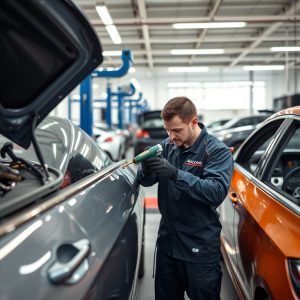
The Invisible Craft: How Smart Repair Systems Are Revolutionizing Minor Auto Body Damage Restoration
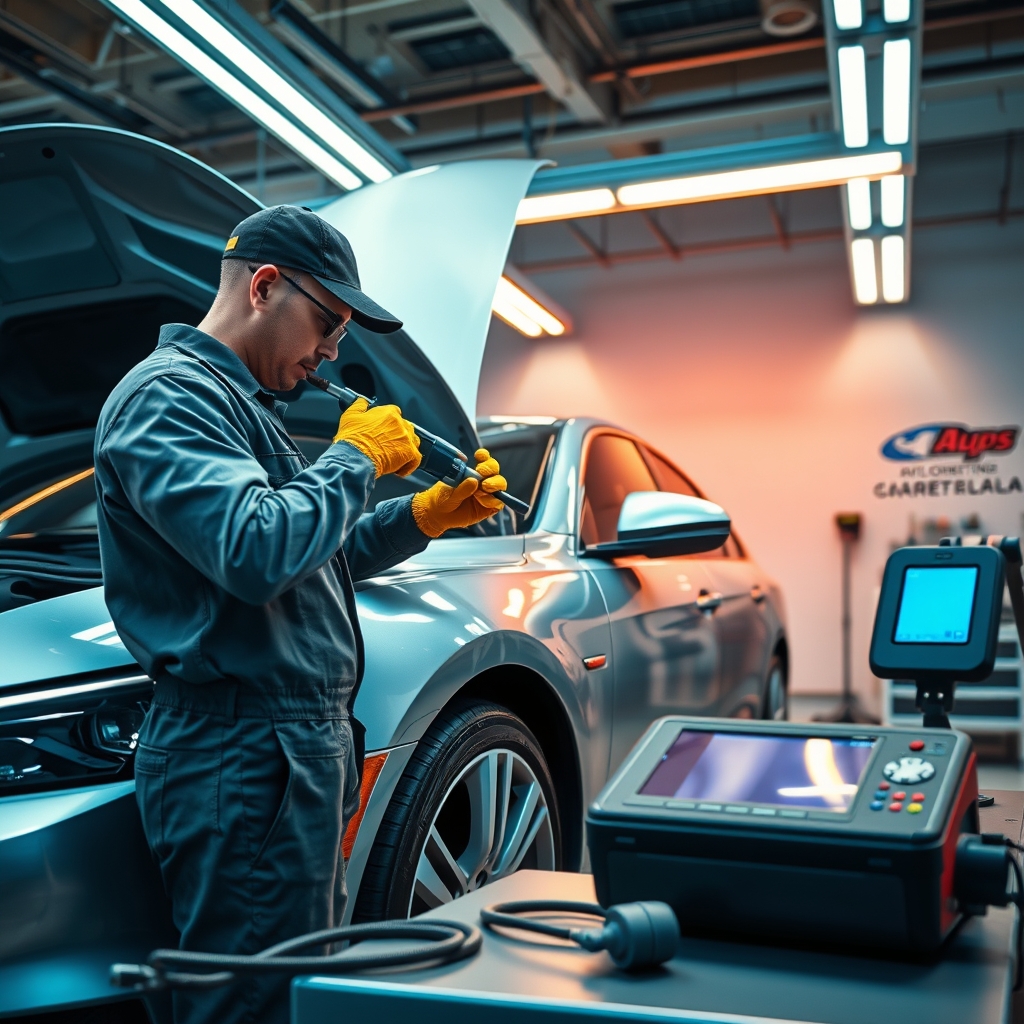
In the fast-paced world of automotive care, minor dents, scratches, and scuffs often go unnoticed—until they don’t. What was once a minor eyesore can quickly become a costly repair if left unaddressed, not to mention the potential for long-term damage like rust or paint deterioration. Traditional auto body repair methods, while effective, often involve time-consuming processes like sanding, filling, and repainting, which can be overkill for small imperfections. Enter smart repair systems, a game-changing approach that blends precision, efficiency, and cost-effectiveness to restore vehicles to their former glory with minimal disruption.
The Rise of Smart Repair: A Paradigm Shift in Collision Repair
Smart repair, also known as small-to-medium area repair technology (SMART), is a targeted approach to fixing minor auto body damage without the need for extensive labor or materials. Unlike conventional methods that may require replacing entire panels or repainting large sections of a vehicle, smart repair focuses on localized fixes. This not only reduces repair time but also minimizes costs for both auto shops and vehicle owners. The technology has gained traction in recent years, particularly as consumers seek quicker, more affordable solutions for cosmetic damage that doesn’t compromise structural integrity.
One of the most significant advantages of smart repair systems is their ability to preserve the original factory finish of a vehicle. Traditional repairs often involve blending paint across adjacent panels to achieve a seamless look, which can be challenging and may result in slight color mismatches. Smart repair, however, uses advanced color-matching technology to ensure that the repaired area blends flawlessly with the surrounding paint. This is particularly valuable for newer vehicles or those with custom paint jobs, where maintaining the original aesthetic is a priority.
Paintless Dent Removal: The Crown Jewel of Smart Repair
At the heart of smart repair lies paintless dent removal (PDR), a technique that has revolutionized the way minor dents are addressed. PDR involves using specialized tools to gently massage dents from the underside of a vehicle’s panel, restoring the metal to its original shape without disturbing the paint. This method is not only faster than traditional dent repair but also more cost-effective, as it eliminates the need for fillers, sanding, or repainting.
PDR is particularly effective for hail damage, door dings, and minor creases, making it a go-to solution for fleet vehicles, dealerships, and everyday drivers. The process requires a high level of skill and precision, as technicians must carefully manipulate the metal without causing further damage. However, when executed correctly, PDR leaves no trace of the original dent, preserving the vehicle’s value and appearance. For auto shops, offering PDR as part of their smart repair services can be a lucrative addition, as it caters to a growing demand for quick, non-invasive repairs.
Scratch and Scuff Repair: Restoring Flawless Finishes
Scratches and scuffs are among the most common types of minor auto body damage, often resulting from everyday wear and tear, parking lot mishaps, or minor collisions. While these imperfections may seem superficial, they can detract from a vehicle’s appearance and, if left untreated, can lead to more significant issues like rust or paint peeling. Smart repair systems address these problems with a combination of advanced techniques, including spot painting, clear coat scratch repair, and touch-up refinishing.
Spot painting, for example, involves carefully applying paint to the damaged area using precision tools and color-matching technology. The repaired section is then blended into the surrounding paint to create a seamless finish. For deeper scratches that penetrate the clear coat, technicians may use a process called wet sanding and polishing, which smooths out the imperfection and restores the glossy appearance of the paint. These methods are far less invasive than traditional repainting, making them ideal for minor damage that doesn’t require a full panel respray.
Bumper and Plastic Component Repair: A Sustainable Solution
Modern vehicles are increasingly made with lightweight materials like plastic and composite blends, particularly in bumpers, trim, and interior components. While these materials offer benefits like fuel efficiency and design flexibility, they can be challenging to repair using traditional methods. Smart repair systems have adapted to this shift by incorporating specialized techniques for plastic welding, filler application, and refinishing.
Plastic welding, for instance, involves using heat to fuse damaged plastic components back together, restoring their structural integrity without the need for replacement. This not only saves time and money but also reduces waste, making it a more sustainable option for auto shops. For minor cracks or scuffs, technicians may use flexible fillers designed specifically for plastic surfaces, followed by refinishing to match the original texture and color. These techniques allow for quick turnaround times and minimal disruption to the vehicle’s appearance.
The Role of Technology in Smart Repair Systems
The success of smart repair systems hinges on the integration of cutting-edge technology. Digital color matching, for example, uses spectrophotometers to analyze the vehicle’s paint and create a precise color formula for touch-ups. This ensures that the repaired area blends seamlessly with the rest of the vehicle, even under different lighting conditions. Additionally, advanced imaging systems can help technicians assess the extent of damage and plan the most effective repair strategy.
Another technological advancement driving smart repair is the use of low-VOC (volatile organic compound) paints and coatings. These environmentally friendly products reduce harmful emissions without compromising on quality, making them a preferred choice for modern auto shops. Coupled with high-efficiency spray booths, these innovations allow technicians to achieve professional-grade results while minimizing their environmental impact.
Why Smart Repair is the Future of Auto Body Restoration
The automotive industry is evolving, and so are the expectations of vehicle owners. Today’s consumers demand quick, affordable, and high-quality repairs that don’t compromise on aesthetics or durability. Smart repair systems meet these demands by offering targeted solutions for minor damage, reducing repair times, and lowering costs. For auto shops, adopting smart repair techniques can open new revenue streams, improve customer satisfaction, and enhance operational efficiency.
Moreover, smart repair aligns with the broader trend toward sustainability in the automotive sector. By minimizing waste, reducing the need for replacement parts, and using eco-friendly materials, smart repair systems contribute to a more sustainable approach to auto body restoration. As vehicles become more advanced and materials more diverse, the role of smart repair will only grow, solidifying its place as a cornerstone of modern collision repair technology.
The next time you notice a minor dent or scratch on your vehicle, consider the invisible craft of smart repair. What may seem like a small imperfection can be transformed into a flawless finish with the right techniques and tools, preserving your vehicle’s value and appearance for years to come. In a world where time and efficiency are paramount, smart repair systems offer a solution that is as practical as it is innovative, proving that even the smallest details can make a big difference.