
Revolutionizing Auto Body Work: The Rise of Smart Repair Systems and Their Impact on Modern Collision Repair
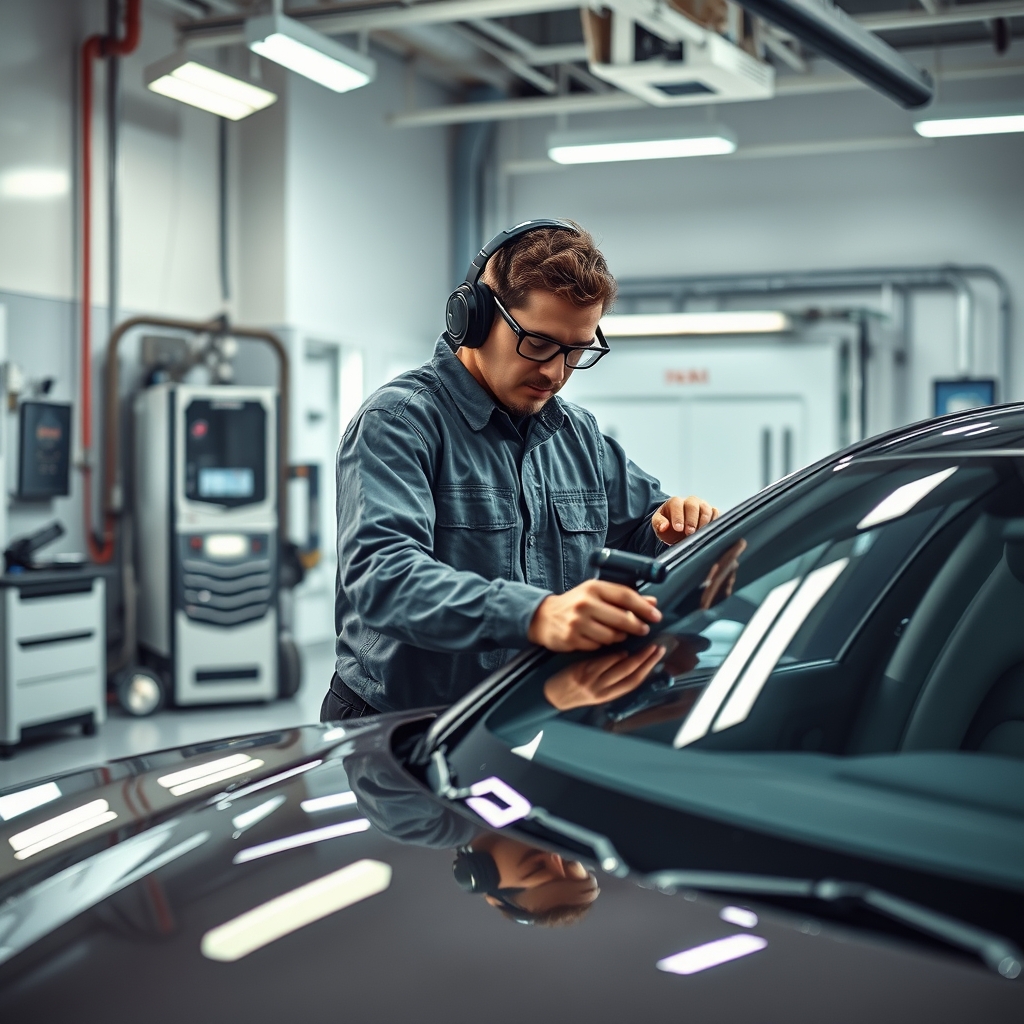
In the ever-evolving world of automotive repair, the demand for faster, more efficient, and cost-effective solutions has led to the rise of Smart Repair Systems. These innovative technologies are transforming how auto body shops approach minor to moderate damage, offering precision and quality that traditional methods often struggle to match. From scratch and dent removal to clear coat scratch repair, smart repair systems are redefining the standards of collision repair, making them an indispensable tool for modern auto shops.
The Core Principles of Smart Repair Systems
Smart Repair Systems, often referred to as SRS, are designed to address localized damage without the need for extensive disassembly or replacement of parts. Unlike conventional repair methods that may require full panel repainting or replacement, smart repair techniques focus on targeted interventions. This approach not only saves time but also reduces material waste, making it a more sustainable option for both repair shops and vehicle owners.
At the heart of smart repair systems is the use of advanced tools and materials that allow technicians to restore a vehicle’s appearance with minimal disruption. For example, paintless dent removal (PDR) is a cornerstone of smart repair, enabling technicians to remove dents without compromising the original paint finish. This technique relies on specialized tools that gently massage the metal back into its original shape, preserving the vehicle’s factory finish and value.
Key Technologies Driving Smart Repair
Several cutting-edge technologies have emerged as game-changers in the smart repair landscape. One of the most notable is laser frame alignment, which uses precision laser measurements to ensure that a vehicle’s structure is restored to its original specifications. This technology is particularly valuable in cases where frame damage has occurred, as it allows for accurate and efficient repairs that maintain the vehicle’s safety and integrity.
Another critical innovation is the use of automotive spray booths equipped with advanced filtration and climate control systems. These booths provide the ideal environment for refinishing work, ensuring that paint applications are smooth, durable, and free from contaminants. When combined with smart repair techniques, these booths enable technicians to achieve flawless finishes on localized repairs, blending seamlessly with the surrounding areas.
The Benefits of Smart Repair for Auto Shops and Customers
For auto body shops, the adoption of smart repair systems offers numerous advantages. One of the most significant benefits is the ability to increase throughput without sacrificing quality. By focusing on localized repairs, technicians can complete jobs faster, allowing shops to serve more customers and improve their bottom line. Additionally, smart repair techniques often require fewer materials, reducing costs and minimizing waste, which is a growing concern in an industry increasingly focused on sustainability.
Customers also stand to gain from the rise of smart repair systems. Traditional repair methods can be time-consuming and expensive, often requiring days or even weeks to complete. Smart repair, on the other hand, can often be completed in a matter of hours, reducing downtime for vehicle owners. Furthermore, because smart repair techniques preserve the original paint and finish of the vehicle, they help maintain its resale value, which is a critical consideration for many car owners.
Addressing Common Misconceptions
Despite their growing popularity, smart repair systems are sometimes misunderstood. One common misconception is that they are only suitable for minor damage. While it’s true that smart repair excels at addressing small dents, scratches, and chips, advancements in technology have expanded its capabilities. Today, smart repair systems can handle more complex issues, such as car bumper repair and car panel replacement, particularly when combined with other advanced techniques like fiber laser welding.
Another myth is that smart repair compromises on quality. In reality, when performed by skilled technicians using the right tools and materials, smart repair can achieve results that are indistinguishable from traditional methods. The key lies in the precision and expertise of the technician, as well as the quality of the materials used. For instance, modern auto body fillers and automotive paint refinishing products are designed to bond seamlessly with a vehicle’s existing finish, ensuring a durable and long-lasting repair.
The Future of Smart Repair in Collision Repair Technology
As the automotive industry continues to evolve, so too will the technologies that support it. Smart repair systems are poised to play an even larger role in collision repair, particularly as vehicles become more complex and diverse. For example, the rise of electric vehicle body repair presents new challenges, such as the need to work with lightweight materials like aluminum and carbon fiber. Smart repair techniques are well-suited to address these challenges, offering solutions that are both efficient and effective.
Another exciting development is the integration of artificial intelligence and machine learning into smart repair systems. These technologies have the potential to further enhance precision and efficiency, allowing technicians to diagnose and repair damage with even greater accuracy. For example, AI-powered tools could analyze a dent or scratch and recommend the best repair technique, reducing the margin for error and improving outcomes.
The adoption of smart repair systems also aligns with broader industry trends, such as the push for greater sustainability. By reducing material waste and energy consumption, smart repair techniques contribute to a more environmentally friendly approach to collision repair. This is particularly important as consumers and regulators alike place increasing emphasis on sustainability and corporate responsibility.
In the fast-paced world of automotive repair, staying ahead of the curve is essential. Smart repair systems represent a significant leap forward in collision repair technology, offering a blend of efficiency, precision, and sustainability that traditional methods simply cannot match. As these systems continue to evolve, they will undoubtedly shape the future of auto body work, providing both shops and customers with solutions that are faster, more affordable, and more reliable than ever before. The shift toward smart repair is not just a trend—it’s a fundamental change in how we approach vehicle maintenance and restoration, one that promises to deliver lasting benefits for years to come.