The Hidden Craft of Car Panel Replacement: Precision, Innovation, and the Future of Seamless Collision Repair
In the world of collision repair, few tasks demand as much precision and expertise as car panel replacement. Whether it’s a minor fender bender or a major structural overhaul, replacing a vehicle’s panels is a delicate dance between artistry and engineering. The process goes far beyond simply bolting on a new piece of metal—it requires an understanding of aerodynamics, structural integrity, and the seamless integration of modern materials like aluminum and high-strength steel. As vehicles evolve, so too do the techniques and technologies that make panel replacement not just functional, but virtually undetectable.
The Anatomy of a Perfect Panel Replacement
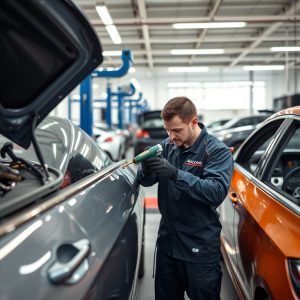
At the heart of every flawless panel replacement lies meticulous planning. Before a single tool is lifted, technicians must assess the damage, identify the correct replacement part, and determine the best method for removal and installation. Modern vehicles often feature complex curves, integrated sensors, and advanced safety systems, all of which must be accounted for during the process. For instance, replacing a door panel isn’t just about matching the exterior shape—it also involves ensuring that the window mechanisms, wiring harnesses, and side-impact beams align perfectly with the vehicle’s original specifications.
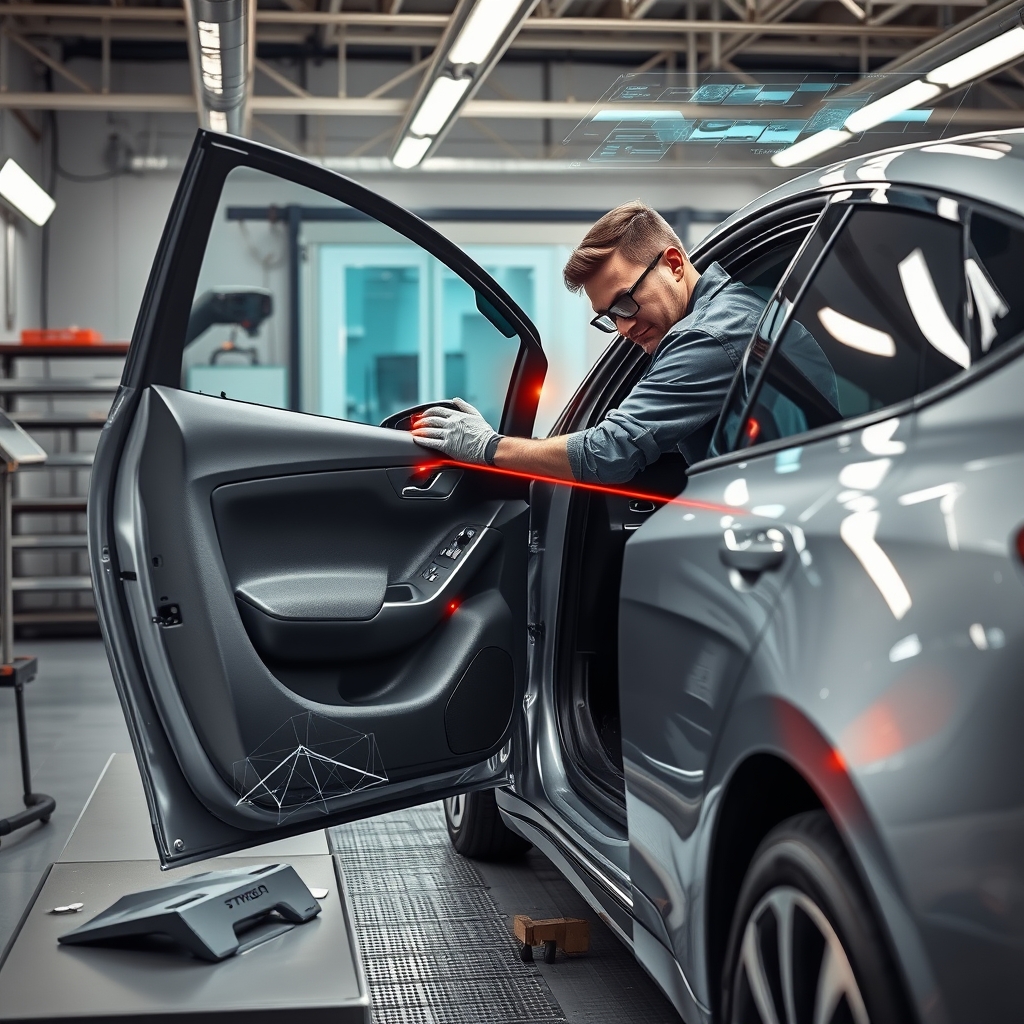
One of the most critical steps in panel replacement is the alignment process. Even a millimeter of misalignment can lead to wind noise, water leaks, or worse, compromised safety in the event of another collision. Advanced laser measuring systems and computerized alignment tools have revolutionized this step, allowing technicians to achieve factory-level precision. These systems compare the vehicle’s current dimensions to its original blueprints, ensuring that every panel sits exactly where it should. The result? A repair that not only looks flawless but also performs as intended.
The Role of Advanced Materials in Modern Panel Replacement
Gone are the days when car panels were made exclusively from steel. Today’s vehicles incorporate a mix of materials, including aluminum, carbon fiber, and advanced composites, each requiring specialized techniques for replacement. Aluminum, in particular, has become a staple in modern vehicle design due to its lightweight and corrosion-resistant properties. However, working with aluminum presents unique challenges. Unlike steel, aluminum cannot be welded using traditional methods—instead, technicians rely on rivets, adhesives, and specialized welding techniques like friction stir welding to ensure a strong, durable bond.
High-strength steel, another common material in modern vehicles, demands its own set of considerations. These panels are often part of the vehicle’s safety cage, meaning their replacement must adhere to strict structural guidelines. Technicians must use precise cutting tools and follow manufacturer-recommended procedures to avoid weakening the vehicle’s integrity. The shift toward these advanced materials has also led to the development of new training programs and certifications, ensuring that technicians are equipped with the skills needed to handle the complexities of modern panel replacement.
Innovations Shaping the Future of Panel Replacement
The collision repair industry is no stranger to innovation, and panel replacement is at the forefront of this evolution. One of the most exciting advancements is the use of 3D scanning and printing technology. Some auto shops are now using 3D scanners to create digital models of damaged panels, which can then be used to fabricate custom replacement parts on-site. This not only reduces wait times for parts but also ensures a perfect fit, even for rare or discontinued models. Additionally, augmented reality (AR) is beginning to make its way into collision repair, with technicians using AR glasses to visualize the placement of panels and identify potential alignment issues before they arise.
Another game-changer is the rise of modular panel systems. Some manufacturers are designing vehicles with panels that can be easily removed and replaced without affecting the surrounding structure. This not only simplifies the repair process but also reduces costs for both shops and consumers. For example, a bumper cover that snaps into place rather than requiring bolts and adhesives can be replaced in a fraction of the time, getting the vehicle back on the road faster. These innovations are not just improving efficiency—they’re redefining what’s possible in collision repair.
The Human Touch: Why Skill Still Matters
Despite the influx of advanced technology, the human element remains irreplaceable in panel replacement. Machines can measure and cut with precision, but it takes a skilled technician to interpret the data, make judgment calls, and execute the repair with finesse. For instance, blending a new panel’s paint to match the existing finish requires an eye for color and texture that no computer can replicate. Similarly, ensuring that a replacement panel’s contours flow seamlessly with the rest of the vehicle demands an understanding of design and aesthetics that only comes with experience.
Moreover, the best technicians don’t just fix damage—they restore confidence. A vehicle that’s been in a collision can leave its owner feeling uneasy, even after repairs are complete. A flawless panel replacement, however, can erase those doubts, making the car look and feel as good as new. This is where the true artistry of collision repair shines. It’s not just about replacing a part; it’s about restoring a sense of normalcy and pride to the vehicle’s owner.
The Environmental and Economic Impact of Panel Replacement
Panel replacement isn’t just a technical challenge—it’s also an environmental and economic one. The collision repair industry has made significant strides in sustainability, with many shops now recycling damaged panels, reusing undamaged components, and adopting eco-friendly adhesives and paints. For example, some facilities partner with metal recyclers to ensure that old panels don’t end up in landfills. Others use water-based paints and low-VOC (volatile organic compound) products to minimize their environmental footprint. These practices not only benefit the planet but also appeal to consumers who prioritize sustainability.
From an economic standpoint, efficient panel replacement can save both time and money. The faster a vehicle can be repaired and returned to its owner, the less downtime the owner experiences—and the lower the cost of rental cars or alternative transportation. Advances in technology, such as pre-painted panels and modular designs, are helping to streamline the process, reducing labor hours and material waste. For auto shops, this means higher profitability and the ability to take on more jobs without sacrificing quality. For consumers, it translates to faster, more affordable repairs without compromising on craftsmanship.
As vehicles continue to evolve, so too will the techniques and technologies used in panel replacement. The shift toward electric vehicles, for instance, is already introducing new challenges, such as the need to work around high-voltage battery systems and lightweight materials designed to maximize range. Meanwhile, autonomous driving features are adding layers of complexity, with sensors and cameras integrated into panels that must be replaced with precision. Yet, with every challenge comes an opportunity for innovation. The collision repair industry has always been one of adaptation, and as long as vehicles remain a part of our lives, the craft of panel replacement will continue to push the boundaries of what’s possible. The next time you see a car that looks as though it’s never been touched, remember the unseen skill and technology that made it possible—because the best repairs are the ones you never notice.