The Art of Fiber Laser Welding in Modern Collision Repair: Precision, Strength, and the Future of Auto Body Restoration
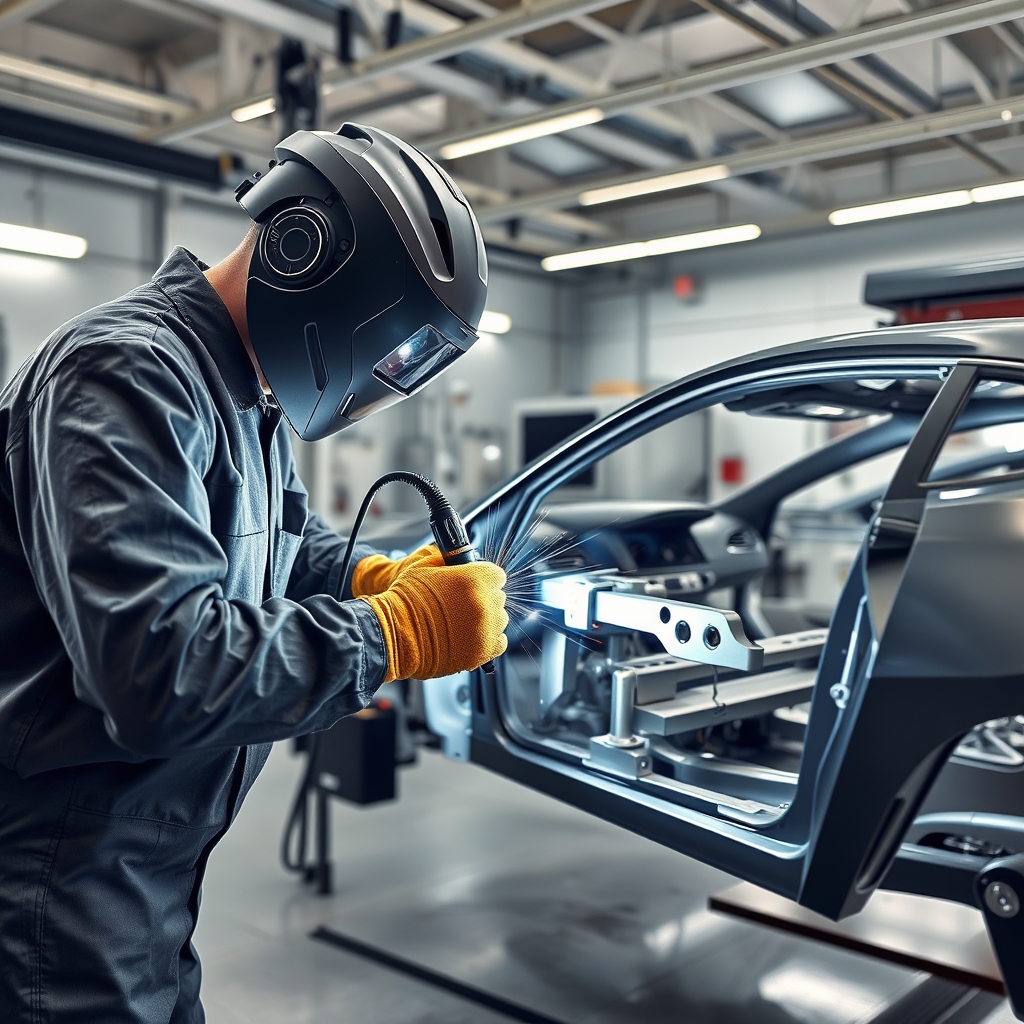
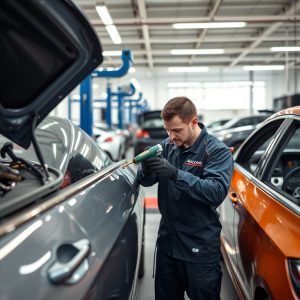
In the ever-evolving world of collision repair, few technologies have made as significant an impact as fiber laser welding. Once reserved for high-end manufacturing and aerospace applications, this advanced technique has found its way into modern auto body shops, revolutionizing how technicians approach structural repairs. The precision, speed, and strength of fiber laser welding are not just enhancing the quality of repairs—they’re redefining what’s possible in automotive restoration.
The Science Behind Fiber Laser Welding
At its core, fiber laser welding is a process that uses a concentrated beam of light to fuse metal components with remarkable accuracy. Unlike traditional MIG or TIG welding, which rely on electrical arcs, fiber lasers generate a highly focused beam that delivers energy with minimal heat dispersion. This results in cleaner, stronger welds with less distortion to the surrounding material—a critical advantage when working with modern vehicle structures, which often incorporate high-strength steel, aluminum, and other lightweight alloys.
The technology operates by channeling laser light through optical fibers, which act as conduits to amplify and direct the beam. The precision of this process allows technicians to target specific areas without compromising the integrity of adjacent panels or components. For collision repair professionals, this means the ability to restore structural integrity with a level of accuracy that was once unimaginable.
Why Fiber Laser Welding is a Game-Changer in Collision Repair
The adoption of fiber laser welding in auto body shops is driven by several key advantages. First and foremost is its unparalleled precision. The narrow, concentrated beam allows for pinpoint control, making it ideal for delicate repairs such as frame straightening, panel replacement, and even electric vehicle (EV) battery tray restoration. This precision minimizes the risk of warping or weakening the metal, ensuring that repairs meet or exceed original equipment manufacturer (OEM) standards.
Another major benefit is speed. Fiber laser welding operates at a fraction of the time required for traditional methods, reducing labor hours and increasing shop efficiency. This is particularly valuable in today’s fast-paced repair environment, where turnaround times can make or break customer satisfaction. Additionally, the reduced heat input means less post-weld cleanup, further streamlining the repair process.
Durability is also a standout feature. Welds produced by fiber lasers are not only stronger but also more resistant to corrosion and fatigue. This is especially important for modern vehicles, which are designed with safety in mind and rely on precise structural integrity to protect occupants in the event of a collision. By using fiber laser welding, technicians can ensure that repairs are not just visually seamless but structurally sound for the long term.
Applications in Modern Auto Body Restoration
The versatility of fiber laser welding makes it invaluable across a range of collision repair scenarios. One of its most critical applications is in frame straightening and alignment. Traditional methods often involve heat-based techniques that can compromise the metal’s strength, but fiber lasers allow for targeted repairs without altering the material’s properties. This is particularly crucial for vehicles with advanced safety systems, where even minor deviations in frame geometry can affect performance.
Fiber laser welding is also transforming the way technicians approach aluminum body repair. Aluminum’s thermal conductivity and lower melting point make it challenging to weld with conventional methods, often leading to warping or weak joints. Fiber lasers, however, can be finely tuned to match the specific requirements of aluminum, producing clean, strong welds that maintain the material’s lightweight advantages. This has made the technology indispensable in the repair of luxury and performance vehicles, where aluminum is increasingly used to reduce weight and improve fuel efficiency.
For electric vehicles, fiber laser welding offers unique benefits, particularly in the repair of battery enclosures and structural components. The precision of the laser ensures that sensitive electronic systems are not exposed to excessive heat, while the strength of the welds provides the durability needed for high-voltage safety. As EV adoption continues to rise, the demand for fiber laser welding in collision repair is only expected to grow.
Challenges and Considerations
Despite its many advantages, fiber laser welding is not without its challenges. The technology requires a significant investment in equipment and training, which can be a barrier for smaller repair shops. Technicians must undergo specialized training to master the nuances of laser welding, including understanding the different power settings, beam angles, and material-specific techniques. However, as the technology becomes more widespread, the cost of entry is gradually decreasing, making it more accessible to a broader range of shops.
Another consideration is the need for proper safety protocols. The high-intensity laser beam can pose risks if not handled correctly, including eye damage and fire hazards. Modern fiber laser welding systems are equipped with advanced safety features, such as enclosed workspaces and automatic shutoff mechanisms, but technicians must still adhere to strict guidelines to ensure a safe working environment.
The Future of Fiber Laser Welding in Collision Repair
As automotive technology continues to advance, so too will the role of fiber laser welding in collision repair. The rise of advanced driver-assistance systems (ADAS) and autonomous vehicles is placing even greater emphasis on precision repairs, as even minor misalignments can affect sensor calibration and vehicle performance. Fiber laser welding is poised to play a key role in meeting these demands, offering the accuracy and reliability needed to restore vehicles to their pre-collision condition.
Moreover, the push toward sustainability in the automotive industry is driving innovation in repair techniques. Fiber laser welding aligns with this trend by reducing material waste and energy consumption compared to traditional methods. As shops look for ways to minimize their environmental footprint, the adoption of fiber laser welding is likely to accelerate, further cementing its place as a cornerstone of modern collision repair.
The integration of fiber laser welding into auto body restoration is more than just a technological advancement—it’s a testament to the industry’s commitment to precision, safety, and innovation. As vehicles become more complex and materials more advanced, the tools and techniques used to repair them must evolve in kind. Fiber laser welding represents the next step in this evolution, offering a level of craftsmanship that ensures every repair is not just a fix, but a restoration of the vehicle’s original integrity and performance. The future of collision repair is here, and it’s being welded with the precision of light.