
The Living Canvas: How Biomimicry, Smart Composites, and Autonomous Cabins Are Painting the Future of Automotive Design
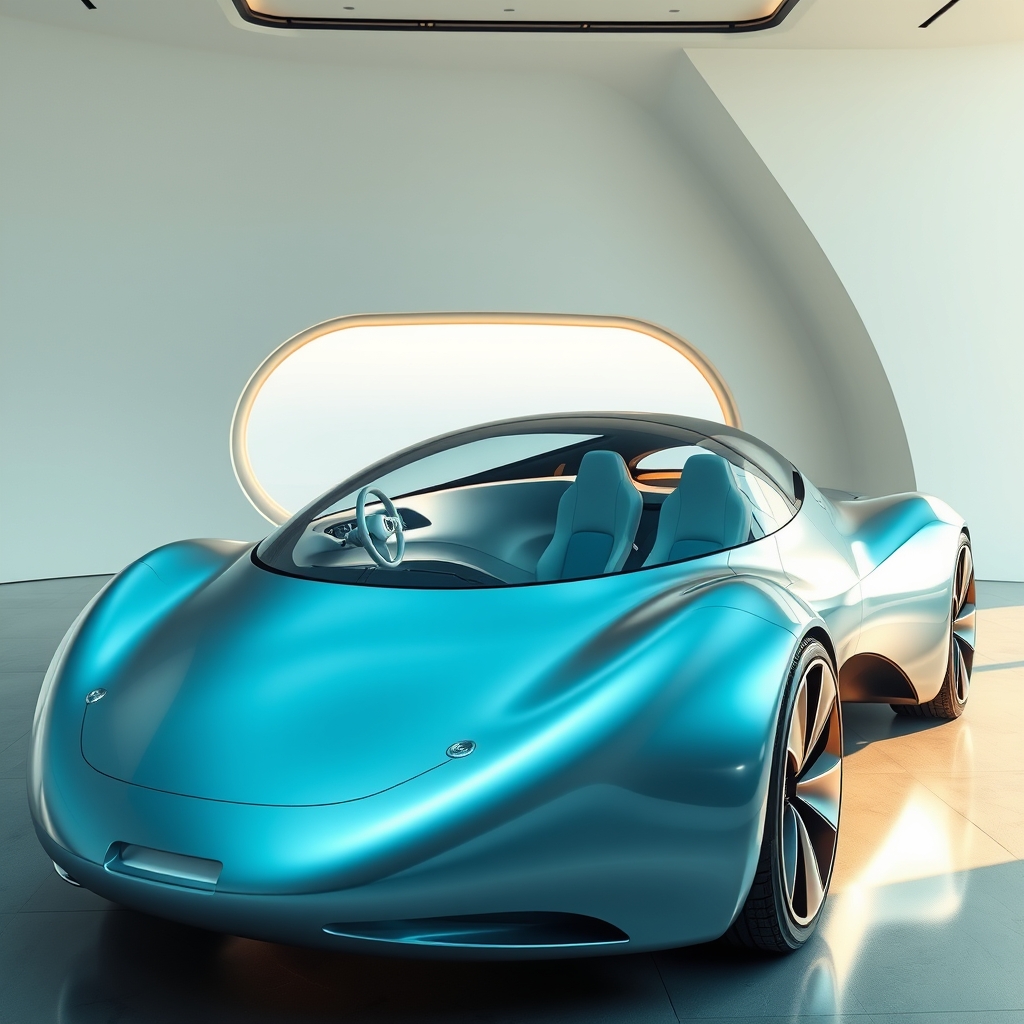
The automotive industry is undergoing a metamorphosis, one where vehicles are no longer just machines but living, breathing entities that adapt, evolve, and harmonize with their environment. This transformation is not merely about aesthetics or performance but about reimagining the very essence of mobility. At the heart of this revolution lies a fusion of biomimicry, smart composites, and autonomous cabin design, each playing a pivotal role in crafting the cars of tomorrow.
The Art of Biomimicry: Nature as the Ultimate Designer
Biomimicry, the practice of drawing inspiration from nature to solve human challenges, is reshaping automotive design in profound ways. From the sleek, aerodynamic forms of fish to the resilient structures of spider silk, nature offers a blueprint for efficiency, sustainability, and beauty. Designers are increasingly turning to these organic principles to create vehicles that are not only visually striking but also functionally superior.
Take, for example, the concept of kinetic exterior styling, where vehicles mimic the fluid movements of animals. This approach goes beyond mere aesthetics; it enhances aerodynamic efficiency by reducing drag and improving fuel economy. Mercedes-Benz’s Bionic Car, inspired by the boxfish, is a testament to this philosophy. Its streamlined shape reduces air resistance by nearly 20%, showcasing how biomimicry can lead to tangible performance benefits.
Beyond aerodynamics, biomimicry is also influencing lightweight structural design. The honeycomb structures found in beehives, for instance, are being replicated in vehicle chassis to create materials that are both strong and lightweight. This not only improves energy efficiency but also reduces the environmental impact of manufacturing.
Smart Composites: The Building Blocks of Sustainable Mobility
As the automotive industry shifts toward sustainability, the materials used in vehicle construction are undergoing a radical transformation. Recyclable body composites and sustainable interior materials are no longer optional but essential components of modern automotive design. These materials are not only eco-friendly but also offer unparalleled durability and performance.
Carbon fiber-reinforced polymers (CFRPs), for example, are being increasingly used in vehicle bodies due to their high strength-to-weight ratio. However, traditional CFRPs are difficult to recycle, posing a challenge for sustainability. Enter smart composites, which incorporate bio-based resins and recyclable fibers to create materials that are both high-performing and environmentally responsible. Companies like BMW and Ford are already leveraging these materials to reduce their carbon footprint while maintaining structural integrity.
Inside the cabin, sustainable interior materials are redefining comfort and luxury. From vegan leather made from pineapple fibers to upholstery crafted from recycled plastics, these materials are not only reducing waste but also enhancing the driving experience. The use of human-centric lighting design further elevates the cabin environment, with adaptive lighting systems that mimic natural daylight to reduce fatigue and improve well-being.
The Rise of Autonomous Cabins: Redefining the Driving Experience
The advent of autonomous driving technology is transforming the very concept of a vehicle’s interior. With the driver no longer needing to focus on the road, the cabin is evolving into a multifunctional space that prioritizes comfort, productivity, and entertainment. Autonomous cabin design is not just about removing the steering wheel; it’s about reimagining the entire user experience.
One of the most exciting developments in this space is the integration of holographic user interfaces and augmented reality dashboards. These technologies allow for seamless interaction with the vehicle, projecting vital information onto the windshield or even creating 3D holograms that respond to gestures. Imagine a dashboard that adapts to your mood, displaying calming visuals during a stressful commute or providing immersive entertainment during a long drive.
Another key aspect of autonomous cabins is modular platform engineering. Vehicles are being designed with flexible interiors that can transform based on the needs of the occupants. A morning commute might require a workspace with a fold-out desk, while an evening drive could prioritize relaxation with reclining seats and ambient lighting. This modularity ensures that the vehicle remains versatile and adaptable to any situation.
Digital Twin Prototyping: Bridging the Gap Between Design and Reality
The design process itself is undergoing a digital revolution, thanks to digital twin prototyping. This technology creates a virtual replica of a vehicle, allowing designers and engineers to simulate and test every aspect of its performance before a physical prototype is ever built. This not only accelerates the development process but also reduces costs and minimizes waste.
Generative automotive design takes this a step further by using artificial intelligence to explore thousands of design variations in a fraction of the time it would take a human designer. By inputting parameters such as aerodynamic efficiency, material constraints, and aesthetic preferences, AI can generate optimized designs that push the boundaries of what’s possible. This approach is particularly valuable in the development of futuristic concept cars, where innovation is the primary goal.
Digital twin prototyping also plays a crucial role in clay model digitalization. Traditionally, automotive designers sculpted clay models by hand to visualize their concepts. Today, these models are scanned and digitized, allowing for rapid iterations and real-time adjustments. This fusion of traditional craftsmanship and cutting-edge technology ensures that the final product is both artistically compelling and technically sound.
The Future of Mobility: A Harmonious Blend of Art and Science
The cars of tomorrow will be more than just modes of transportation; they will be extensions of our lifestyles, reflecting our values and aspirations. The integration of biomimicry, smart composites, and autonomous cabins is not just a technological leap but a cultural shift toward a more sustainable, efficient, and human-centric approach to mobility. As these innovations continue to evolve, they will redefine our relationship with vehicles, transforming them from mere machines into dynamic, living entities that adapt to our needs and enhance our lives. The road ahead is not just about getting from point A to point B; it’s about creating an experience that is as enriching as the destination itself.