
The Art of Motion: How Aerodynamic Efficiency and Futuristic Aesthetics Are Redefining Automotive Design
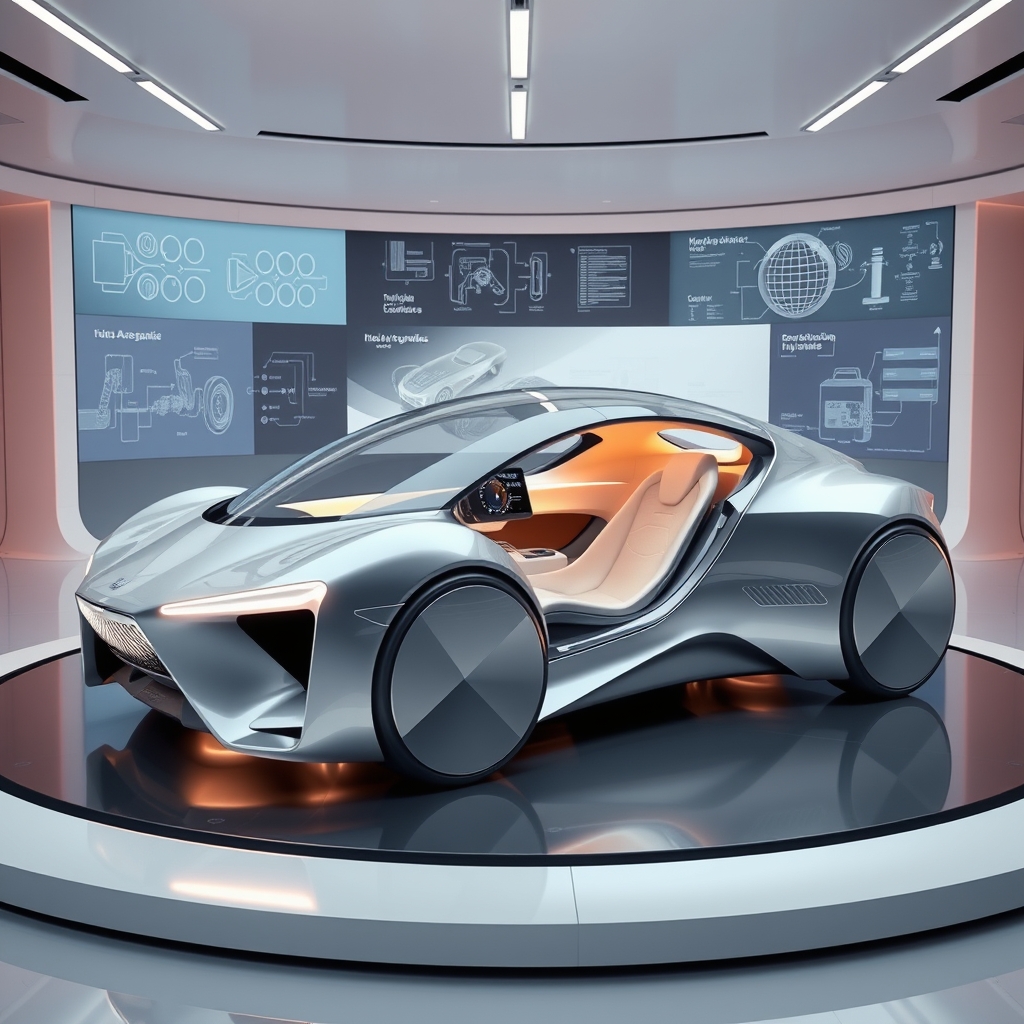
The automotive industry is undergoing a transformative shift, where the boundaries between art and engineering blur to create vehicles that are not only efficient but also visually captivating. At the heart of this evolution lies the pursuit of aerodynamic efficiency, a principle that has become synonymous with performance, sustainability, and innovation. As designers and engineers push the limits of what’s possible, the cars of tomorrow are being shaped by a fusion of cutting-edge technology and visionary aesthetics, redefining the very essence of motion.
The Science of Slicing Through Air
Aerodynamic efficiency is no longer just about reducing drag; it’s about harnessing the power of airflow to enhance performance, range, and even the emotional connection between driver and machine. Modern vehicles are designed with active aerodynamics systems that adapt in real-time to driving conditions, optimizing downforce and minimizing resistance. From retractable spoilers to adjustable air vents, these systems ensure that every curve and contour of a car serves a purpose, whether it’s improving stability at high speeds or extending the range of an electric vehicle.
But the quest for aerodynamic perfection doesn’t stop at functionality. It’s also about aesthetics. The sleek, flowing lines of a car’s exterior are no longer just a stylistic choice—they’re a testament to the harmony between form and function. Designers are increasingly turning to biomimetic vehicle aesthetics, drawing inspiration from nature’s most efficient shapes, like the streamlined bodies of birds or the hydrodynamic profiles of fish. This approach not only enhances performance but also gives vehicles a distinctive, futuristic allure that sets them apart on the road.
Sustainability Meets Sophistication: The Rise of Recyclable Composites
As the world grapples with the environmental impact of manufacturing, the automotive industry is leading the charge toward sustainability without compromising on quality or design. Recyclable body composites are revolutionizing the way cars are built, offering a lightweight yet durable alternative to traditional materials. These composites, often derived from renewable sources or repurposed waste, reduce the carbon footprint of vehicle production while maintaining the structural integrity required for safety and performance.
The shift toward sustainable interior materials is equally transformative. From plant-based leathers to recycled plastics and natural fibers, the interiors of modern vehicles are becoming a showcase for eco-conscious design. These materials are not only kinder to the planet but also offer a level of luxury and comfort that rivals their conventional counterparts. The result is a driving experience that feels as good as it looks, with every detail reflecting a commitment to sustainability.
The Role of Generative Design in Shaping the Future
Generative automotive design is another game-changer in the industry, leveraging artificial intelligence to explore thousands of design iterations in a fraction of the time it would take a human designer. This technology allows engineers to input specific parameters—such as weight reduction, aerodynamic efficiency, or material constraints—and let the AI generate optimized solutions that push the boundaries of what’s possible. The result is a new era of vehicle architecture that is both innovative and efficient, with designs that are as functional as they are visually striking.
One of the most exciting applications of generative design is in the development of modular platform engineering. By creating flexible, adaptable platforms, manufacturers can produce a wide range of vehicles—from compact city cars to spacious SUVs—using the same underlying architecture. This not only streamlines production but also allows for greater customization, giving consumers the freedom to choose a vehicle that perfectly suits their needs and preferences.
The Autonomous Cabin: A New Era of Human-Centric Design
As autonomous driving technology continues to advance, the focus is shifting from the mechanics of driving to the experience of being driven. Autonomous cabin design is reimagining the interior of vehicles as a space for relaxation, productivity, and connection. With the driver no longer needing to focus on the road, the cabin becomes a sanctuary where every element is designed to enhance comfort and convenience.
Human-centric lighting design plays a crucial role in this transformation, with adaptive lighting systems that adjust to the time of day, the driver’s mood, or even the surrounding environment. Smart glass technology further enhances the experience, allowing passengers to control the opacity of windows for privacy or to reduce glare, all at the touch of a button. Meanwhile, minimalist dashboard layouts and seamless display integration ensure that the cabin remains uncluttered and intuitive, with information and controls presented in a way that feels natural and effortless.
The Fusion of Digital and Physical: Augmented Reality and Holographic Interfaces
The integration of augmented reality (AR) and holographic user interfaces is taking the driving experience to new heights. AR dashboards overlay critical information—such as navigation cues, speed limits, or hazard warnings—directly onto the windshield, allowing drivers to keep their eyes on the road while staying informed. Holographic interfaces, on the other hand, bring a futuristic touch to vehicle controls, projecting interactive displays that respond to gestures or voice commands.
These technologies are not just about novelty; they’re about enhancing safety, convenience, and engagement. By blending the digital and physical worlds, they create a driving experience that is more immersive and intuitive than ever before. Whether it’s a heads-up display that guides you through a complex intersection or a holographic control panel that adjusts your seat position with a wave of your hand, the future of automotive design is all about making technology work seamlessly with human intuition.
The Road Ahead: Where Innovation and Imagination Collide
The cars of tomorrow will be defined by their ability to adapt, evolve, and inspire. From the aerodynamic efficiency that slices through the air to the sustainable materials that reduce environmental impact, every aspect of automotive design is being reimagined. The fusion of generative design, autonomous technology, and human-centric innovation is creating vehicles that are not just modes of transportation but extensions of our lifestyles and values.
As we look to the future, one thing is clear: the intersection of art and engineering will continue to drive the industry forward. The most successful designs will be those that balance form and function, sustainability and sophistication, innovation and intuition. In this new era of automotive design, the road ahead is not just about getting from point A to point B—it’s about the journey itself, and the experiences we create along the way.