
The Alchemy of Innovation: How Smart Glass, Holographic Interfaces, and Kinetic Styling Are Crafting the Next-Gen Driving Experience
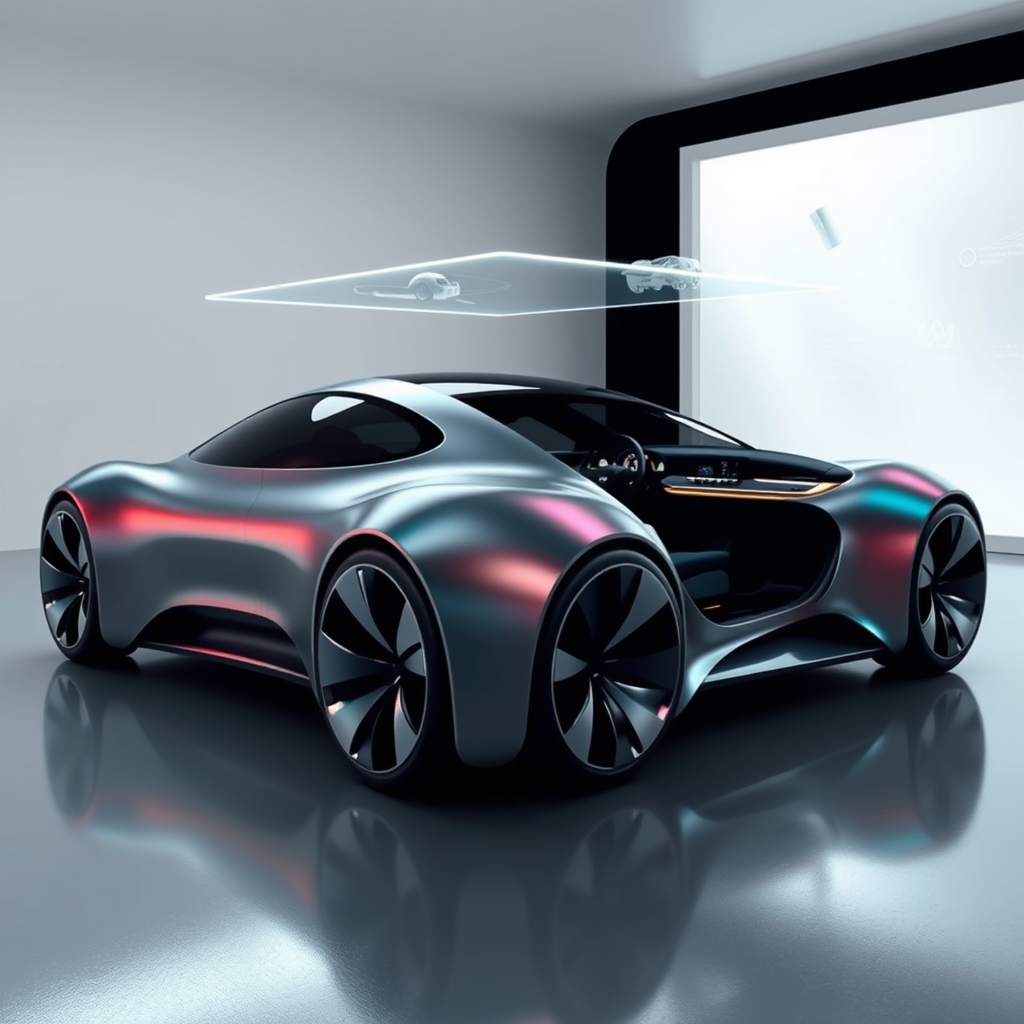
The automotive industry is undergoing a metamorphosis, where the boundaries between technology, sustainability, and artistry blur into a seamless vision of the future. At the heart of this transformation lies a relentless pursuit of innovation—one that reimagines not just how vehicles move, but how they interact with the world and the people inside them. The convergence of smart materials, dynamic aesthetics, and intuitive interfaces is giving rise to a new era of mobility, where every element is designed to adapt, evolve, and inspire.
The Rise of Smart Glass: A Window to the Future
Smart glass technology is no longer a futuristic fantasy; it’s a tangible reality reshaping the way we experience the interior and exterior of vehicles. By integrating electrochromic or suspended particle devices, smart glass can dynamically adjust its opacity, tint, and even thermal properties in real time. Imagine a windshield that automatically dims to reduce glare during a sunrise drive or side windows that transition to privacy mode with a simple voice command. Beyond aesthetics, this technology enhances energy efficiency by regulating cabin temperature, reducing the reliance on climate control systems and extending the range of electric vehicles.
But the potential of smart glass extends beyond functionality. It serves as a canvas for augmented reality (AR), projecting navigation cues, hazard alerts, and even entertainment directly onto the glass surface. This seamless integration of digital and physical worlds transforms the driving experience into something more intuitive and immersive, where information is no longer confined to a dashboard but flows effortlessly through the driver’s field of vision.
Holographic Interfaces: The Next Frontier of Interaction
The dashboard of the future is not a static cluster of dials and screens but a dynamic, three-dimensional interface that responds to gestures, voice, and even gaze. Holographic user interfaces (HUIs) are poised to redefine human-machine interaction in vehicles, offering a level of customization and interactivity previously unimaginable. These interfaces use volumetric displays to project floating, interactive elements that can be manipulated with natural hand movements, eliminating the need for physical buttons or touchscreens.
For instance, a driver could adjust the climate control by swiping through a holographic menu or access navigation by pinching and zooming a 3D map. The flexibility of HUIs allows for a minimalist cabin design, where physical clutter is replaced by digital elegance. Moreover, these interfaces can adapt to the driver’s preferences, learning from behavior patterns to anticipate needs—whether it’s suggesting a faster route during rush hour or adjusting the ambient lighting to match the time of day.
Kinetic Styling: Where Form Meets Function
The exterior of a vehicle is no longer just about static beauty; it’s about dynamic expression. Kinetic styling, inspired by the fluidity of nature and the precision of engineering, introduces moving elements that enhance both aesthetics and performance. Active aerodynamics systems, such as adaptive spoilers, morphing grilles, and deployable air curtains, optimize airflow in real time, reducing drag and improving efficiency without compromising on design.
Take, for example, the concept of biomimetic vehicle aesthetics, where designers draw inspiration from the natural world to create forms that are both visually striking and functionally superior. The sleek, undulating lines of a car might mimic the streamlined shape of a fish, while its adaptive panels could emulate the way a bird adjusts its wings in flight. This approach not only elevates the visual appeal of vehicles but also aligns with the principles of aerodynamic efficiency, creating a harmonious balance between art and engineering.
Modular Platforms: The Backbone of Versatility
At the core of this automotive revolution lies modular platform engineering, a strategy that enables manufacturers to build multiple vehicle models from a single, adaptable architecture. This approach streamlines production, reduces costs, and allows for greater customization, ensuring that vehicles can evolve alongside technological advancements. A modular platform might support everything from compact urban EVs to spacious autonomous shuttles, all while maintaining structural integrity and performance standards.
Modularity also extends to the interior, where seating arrangements, storage solutions, and even dashboard layouts can be reconfigured to suit different needs. Imagine a vehicle that transforms from a cozy commuter pod into a mobile office or a social space for road trips, all with a few simple adjustments. This level of flexibility is not just a convenience; it’s a paradigm shift in how we perceive and use vehicles.
Sustainable Materials: Crafting a Greener Future
As the industry moves toward sustainability, the materials used in vehicle construction are undergoing a radical transformation. Recyclable body composites, such as carbon fiber reinforced polymers and bio-based resins, are replacing traditional steel and aluminum, reducing weight without sacrificing strength. These materials not only improve fuel efficiency in combustion engines but also extend the range of electric vehicles by minimizing energy consumption.
Inside the cabin, sustainable interior materials are taking center stage. From vegan leather made from pineapple fibers to upholstery woven from recycled plastics, designers are exploring innovative ways to create luxurious, eco-friendly interiors. Even the adhesives and foams used in seating and trim are being reimagined to minimize environmental impact, ensuring that every component of a vehicle aligns with the principles of circular economy.
The Road Ahead: A Symphony of Innovation
The automotive landscape of tomorrow is being shaped by a symphony of technologies, each playing its part in creating a more connected, efficient, and sustainable future. Smart glass, holographic interfaces, and kinetic styling are not just individual advancements; they are pieces of a larger puzzle, where every innovation enhances the others. As vehicles become more than just machines—becoming extensions of our digital lives, reflections of our values, and partners in our journeys—the possibilities are as limitless as the imagination of the designers and engineers driving this change. The road ahead is not just about getting from point A to point B; it’s about redefining what it means to move through the world.