
From Noise to Nuance: Diagnosing and Repairing Undercarriage Issues for a Quieter, Smoother Ride
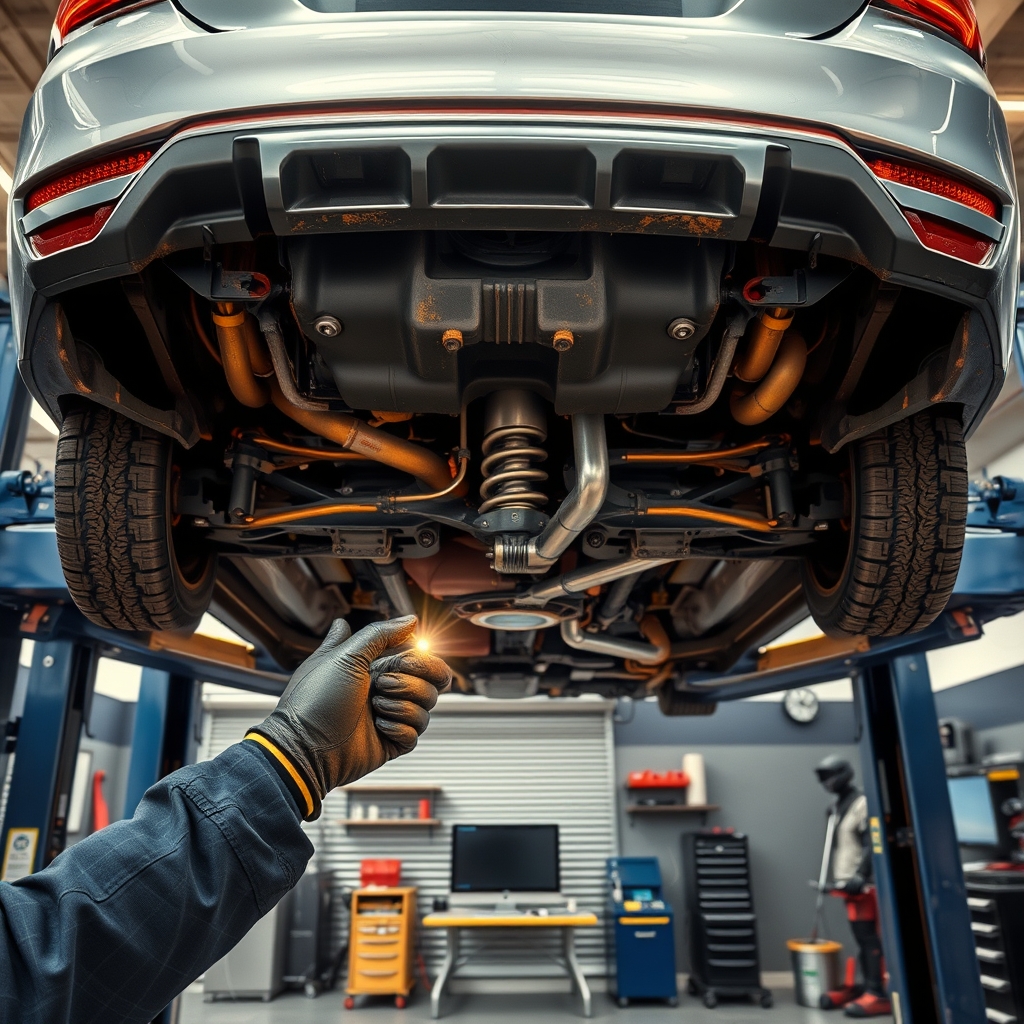
That unsettling clatter from beneath your car isn’t just an annoyance—it’s a conversation. Your vehicle is telling you something, and ignoring it could turn a minor repair into a major headache. Undercarriage noises are often the first sign of suspension or steering system wear, and understanding their language can save you time, money, and stress. Whether it’s a rhythmic clunk over bumps, a persistent hum at speed, or a sharp squeak when turning, each sound points to a specific issue that, when addressed early, can restore your ride’s silence and stability.
The Symphony of Suspicion: Identifying Common Undercarriage Noises
Not all noises are created equal. A deep thud when hitting a pothole might suggest worn shock absorbers or failing strut assemblies, while a metallic clank could indicate loose sway bar links or a damaged control arm bushing. High-pitched squeaks, especially during turns, often point to dry or worn ball joints or tie rod ends, while a grinding noise at low speeds might signal a failing wheel bearing. Even a subtle hum that changes with speed could hint at an axle shaft issue or uneven wheel balancing. The key is to listen not just for the noise itself, but for the conditions under which it appears—speed, road surface, steering input—all of which help narrow down the culprit.
Clunks, Bangs, and Thuds: The Heavy Hitters
When your car sounds like it’s protesting every bump in the road, the suspension system is usually the first place to look. Worn coil springs can sag or even break, leading to a harsh, unfiltered ride and a telltale clunk when the suspension compresses. Similarly, failing shock absorbers lose their ability to dampen vibrations, allowing the chassis to bounce uncontrollably after a bump. If the noise is more pronounced when turning, the sway bar links—which connect the sway bar to the suspension—may have worn bushings or broken entirely. These components are critical for maintaining stability during cornering, and their failure can make your car feel unsettled, even on smooth roads.
The High-Pitched Whines and Squeaks
Squeaks and whines are often the most irritating undercarriage noises, but they’re also some of the most diagnostic. A persistent squeak when turning at low speeds is a classic sign of a worn ball joint or tie rod end. These components connect the steering system to the wheels, and when their lubrication dries up or their protective boots tear, metal-on-metal contact creates that unmistakable sound. Similarly, a high-pitched whine that increases with speed could indicate a failing wheel bearing, which, if ignored, can lead to catastrophic wheel failure. Even something as simple as a dry suspension bushing can create a squeak, though these are usually easier and cheaper to address before they escalate.
From Diagnosis to Repair: Addressing the Root Cause
Once you’ve identified the likely source of the noise, the next step is confirming the diagnosis and planning the repair. A professional undercarriage noise diagnostic typically involves a visual inspection, a road test, and sometimes specialized tools like a stethoscope to pinpoint the exact location of the issue. For example, a mechanic might lift the car and check for play in the ball joints or tie rod ends, or inspect the shock absorbers for leaks or damage. In some cases, a simple wheel alignment service can resolve noises caused by uneven tire wear or misaligned suspension geometry.
Replacing Worn Components: What to Expect
If the diagnostic confirms a worn or damaged part, replacement is often the best course of action. Ball joint replacement and tie rod end repair are common procedures that restore steering precision and eliminate those irritating squeaks. Similarly, replacing a worn wheel bearing or axle shaft can silence that persistent hum and prevent more serious damage down the line. For those looking to upgrade their ride’s performance, swapping out factory suspension bushings for polyurethane or solid alternatives can reduce flex and improve handling, though it may introduce a bit more road noise—a trade-off some enthusiasts are happy to make.
Upgrades That Silence and Strengthen
For drivers who want to go beyond basic repairs, aftermarket upgrades can enhance both comfort and performance. Installing performance lowering springs can reduce body roll and improve cornering, while upgrading to a coilover suspension system allows for adjustable ride height and damping. Even something as simple as a sway bar link kit can tighten up the suspension and reduce noise by minimizing body lean. For those with air suspension systems, a conversion to traditional coil springs might be necessary if the air components fail, offering a more reliable and maintenance-free solution.
The Cost of Silence: Weighing Repairs Against Neglect
Ignoring undercarriage noises might seem like a way to save money in the short term, but the long-term consequences can be far more expensive. A failing wheel bearing, for example, can eventually seize, leading to a locked wheel and a potential loss of control. Worn ball joints or tie rod ends can separate, causing the wheel to collapse and the vehicle to become undriveable. Even something as seemingly minor as a loose sway bar link can affect handling and increase the risk of a rollover in extreme cases. The good news is that most of these issues are preventable with regular inspections and timely repairs. A small investment in maintenance today can prevent a costly breakdown tomorrow.
Every drive should feel like a seamless extension of your intentions—smooth, controlled, and free from distractions. The moment your car starts speaking to you in rattles, clunks, or squeaks, it’s not just asking for attention; it’s demanding respect. Addressing undercarriage noises isn’t just about restoring quiet; it’s about reclaiming the confidence that comes with a vehicle that responds precisely to your inputs. Whether you’re tackling rough roads or cruising down the highway, the difference between a noisy, unsettled ride and one that glides effortlessly often comes down to listening closely—and acting decisively—before small issues grow into major problems. The road ahead should be a place of connection, not compromise, and that starts with giving your suspension the care it deserves.