The Hidden Art of Clear Coat Scratch Repair: Restoring Flawless Finishes with Modern Precision
Every car owner knows the frustration of discovering a fresh scratch marring an otherwise pristine paint job. Whether it’s a rogue shopping cart, a careless driver in a parking lot, or an overzealous key, these imperfections can detract from a vehicle’s appearance and even reduce its resale value. Fortunately, advancements in collision repair technology have transformed the way professionals address clear coat scratches, turning what was once a labor-intensive process into a precise, almost invisible restoration.
The Science Behind Clear Coat Scratches
Modern automotive paint systems are composed of multiple layers, each serving a distinct purpose. The base coat provides the color, while the clear coat—a transparent, protective layer—shields the paint from UV rays, environmental contaminants, and minor abrasions. When a scratch penetrates only the clear coat, it’s classified as a surface-level imperfection. However, if it breaches the base coat or primer, the damage becomes more complex, often requiring repainting.
Clear coat scratches are particularly tricky because they don’t always follow a uniform depth. Some may appear as fine, hairline marks, while others can be deeper, creating a visible groove. The key to effective repair lies in assessing the severity of the scratch and selecting the appropriate technique to restore the finish without compromising the surrounding paint.
Traditional vs. Modern Repair Techniques
In the past, repairing clear coat scratches often involved wet sanding, compounding, and polishing—a process that required skill, patience, and a steady hand. While effective, this method carried risks, including over-sanding, which could thin the clear coat and leave the paint vulnerable to future damage. Today, collision repair professionals have access to advanced tools and materials that streamline the process while delivering superior results.
Precision Polishing and Compounding
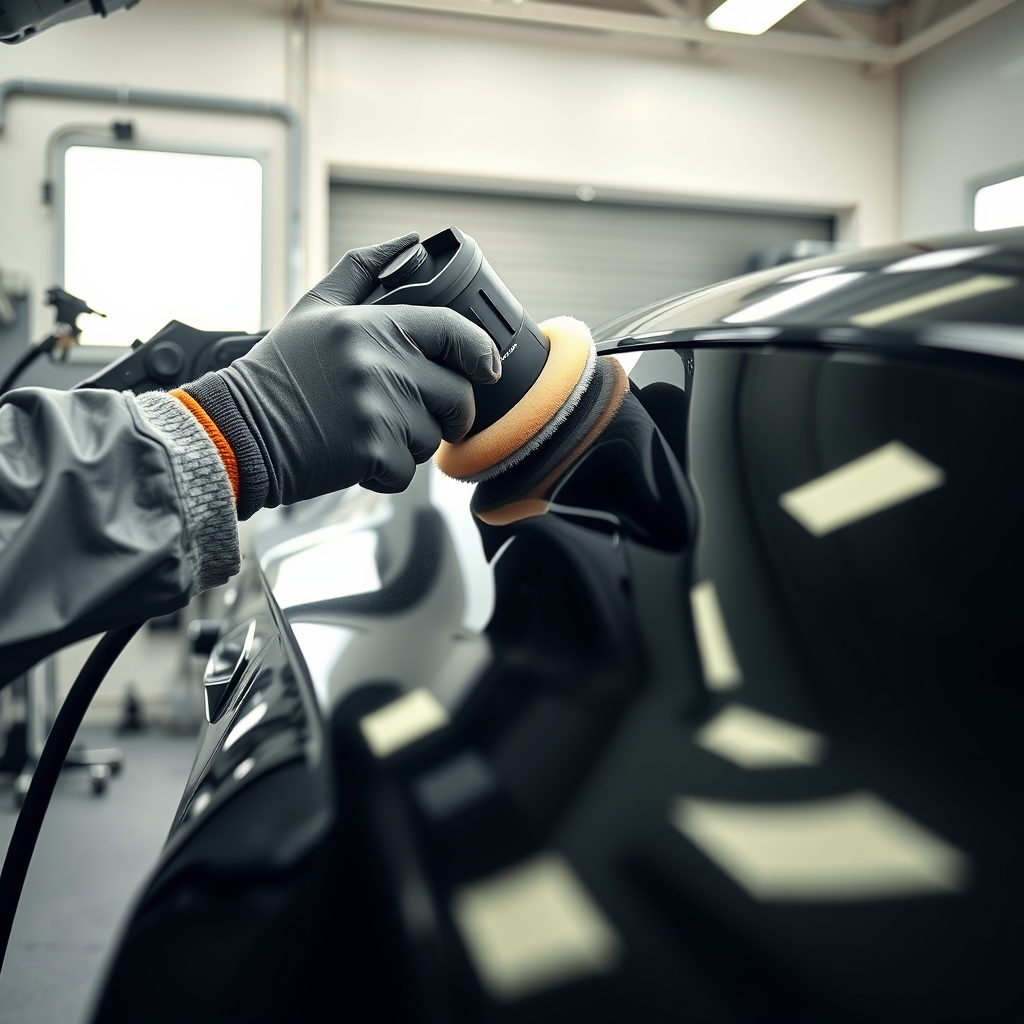
For shallow scratches, modern polishing compounds and dual-action polishers have revolutionized the repair process. These compounds contain micro-abrasives that gently remove a microscopic layer of the clear coat, leveling the surface and eliminating imperfections. Unlike traditional methods, which relied on aggressive compounds and manual buffing, today’s polishers are designed to minimize heat buildup, reducing the risk of burning through the clear coat.
One of the most significant advancements in this area is the development of ceramic-infused polishing compounds. These products not only restore the clear coat’s gloss but also provide an additional layer of protection, enhancing the paint’s resistance to future scratches and environmental damage. When combined with a high-quality ceramic coating, the results can be long-lasting, preserving the vehicle’s showroom shine for years.
Spot Repair and Smart Repair Systems
For deeper scratches that penetrate the clear coat but don’t reach the base layer, spot repair techniques have become a game-changer. Smart repair systems allow technicians to address localized damage without repainting the entire panel. Using precision spray guns and color-matching technology, professionals can blend the repaired area seamlessly with the surrounding paint, making the scratch virtually undetectable.
These systems are particularly valuable for modern vehicles with complex paint formulations, such as metallic, pearlescent, or tri-coat finishes. Advanced spectrophotometers analyze the existing paint, ensuring an exact color match, while low-VOC (volatile organic compound) paints reduce environmental impact without sacrificing quality. The result is a repair that not only looks flawless but also maintains the vehicle’s original factory finish.
The Role of Ceramic Coatings in Scratch Prevention
While repairing clear coat scratches is essential, preventing them in the first place is even better. Ceramic coatings have emerged as one of the most effective solutions for protecting automotive paint from scratches, UV damage, and chemical contaminants. These liquid polymer coatings bond chemically with the clear coat, creating a durable, hydrophobic barrier that repels water, dirt, and minor abrasions.
When applied correctly, a ceramic coating can significantly reduce the likelihood of clear coat scratches. However, it’s important to note that no coating is entirely scratch-proof. For maximum protection, many auto enthusiasts and professionals recommend combining ceramic coatings with paint protection film (PPF), which provides an additional physical barrier against rock chips, scratches, and other road debris.
Professional vs. DIY Application
While ceramic coatings are available in consumer-grade kits, professional application remains the gold standard. Certified technicians use controlled environments, such as automotive spray booths, to ensure optimal conditions for curing. They also have access to high-quality, professional-grade coatings that offer superior durability and longevity compared to over-the-counter products.
For those who prefer a DIY approach, it’s crucial to follow the manufacturer’s instructions carefully. Proper surface preparation—including thorough cleaning, decontamination, and polishing—is essential for achieving a flawless finish. Skipping steps or applying the coating in less-than-ideal conditions can lead to premature failure, leaving the paint vulnerable to damage.
Innovations on the Horizon
The future of clear coat scratch repair is bright, with ongoing research focused on self-healing coatings and nanotechnology. Some manufacturers are already experimenting with materials that can repair minor scratches when exposed to heat or sunlight, effectively erasing imperfections without human intervention. While these technologies are still in development, they hold the promise of revolutionizing automotive paint protection in the years to come.
As collision repair technology continues to evolve, so too does the ability to restore vehicles to their original condition with minimal effort and maximum precision. Whether it’s through advanced polishing techniques, smart repair systems, or cutting-edge ceramic coatings, the goal remains the same: to keep cars looking their best, no matter what the road throws their way. The next time you notice a scratch on your vehicle, remember that modern science and skilled craftsmanship can work together to make it disappear, leaving behind nothing but a flawless finish.