
The Science of Seamless Repairs: How Smart Repair Systems Are Redefining Collision Repair Efficiency
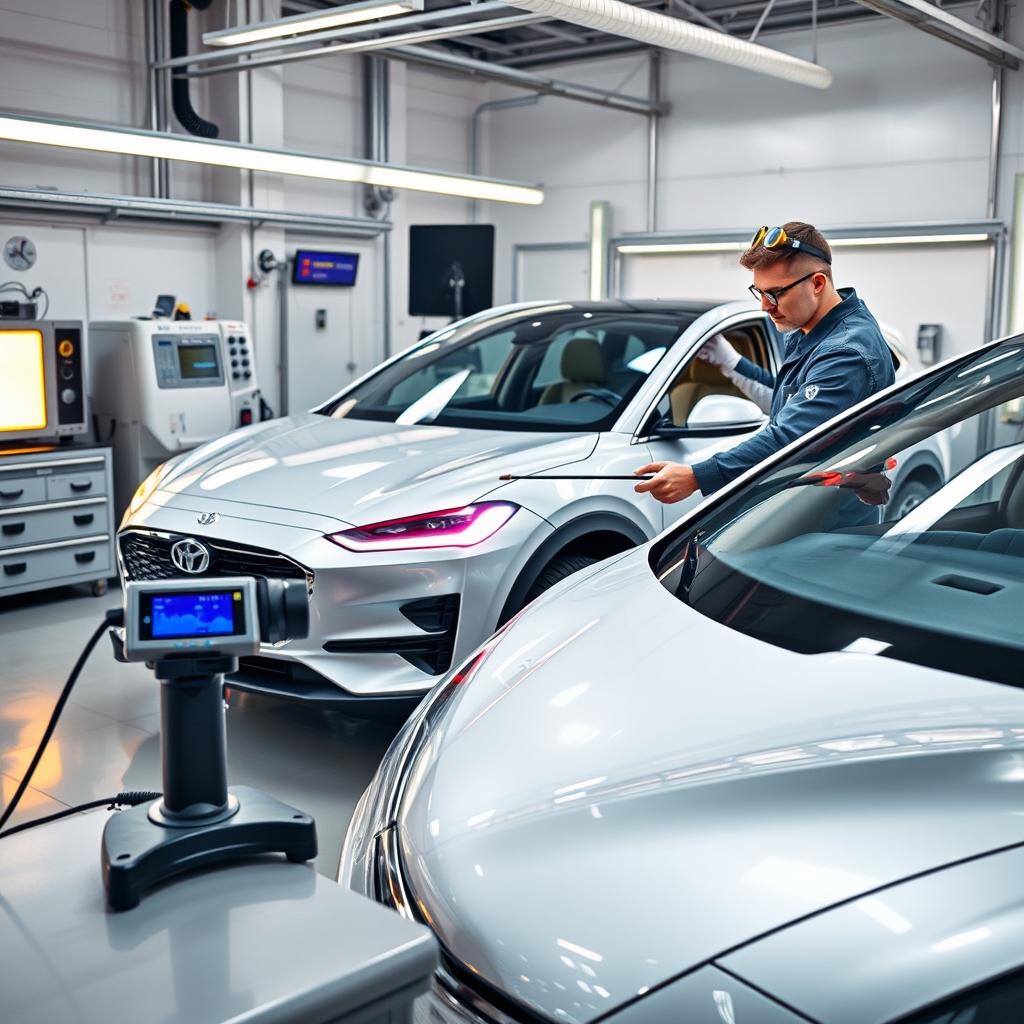
In the fast-paced world of automotive repair, efficiency and precision are no longer just desirable—they are essential. As vehicles become more advanced, so too must the techniques used to restore them after collisions. Enter smart repair systems, a game-changing innovation that is transforming how auto body shops approach minor to moderate damage. These systems combine cutting-edge technology with time-tested methods to deliver repairs that are faster, more cost-effective, and often indistinguishable from factory finishes. But what exactly makes smart repair systems so revolutionary, and how are they reshaping the future of collision repair?
The Evolution of Smart Repair Systems
Smart repair systems, also known as Small to Medium Area Repair Technology (SMART), emerged as a response to the growing demand for quicker, more affordable repairs without compromising quality. Traditional collision repair methods often involve extensive disassembly, sanding, and repainting, which can be time-consuming and costly. Smart repair systems, on the other hand, focus on targeted interventions that address specific areas of damage, such as scratches, dents, or chips, without the need for full panel repainting.
These systems leverage advanced tools and materials, including precision paint matching technology, low-VOC (volatile organic compound) paints, and infrared curing lamps, to streamline the repair process. The result is a repair that blends seamlessly with the surrounding area, often completed in a fraction of the time required for conventional methods. For auto body shops, this means higher throughput, reduced labor costs, and increased customer satisfaction.
Key Technologies Driving Smart Repair Systems
1. Paintless Dent Removal (PDR)
One of the cornerstones of smart repair systems is paintless dent removal (PDR), a technique that allows technicians to remove dents without disturbing the vehicle’s original paint. PDR is particularly effective for hail damage, door dings, and minor creases. Using specialized tools, technicians gently massage the dent from behind the panel, restoring the metal to its original shape. The process is non-invasive, environmentally friendly, and preserves the vehicle’s factory finish, making it a preferred choice for both repair shops and customers.
2. Precision Paint Matching and Blending
Achieving a flawless finish requires more than just skill—it demands technology. Modern smart repair systems utilize spectrophotometers and digital color matching software to ensure that the paint used in repairs matches the vehicle’s original color perfectly. This technology analyzes the existing paint’s hue, saturation, and brightness, then formulates a custom blend that seamlessly integrates with the surrounding area. For multi-stage or metallic paints, this level of precision is critical to avoiding visible discrepancies.
3. Infrared Curing Technology
Traditional paint curing methods rely on air drying or heat lamps, which can take hours and may not always deliver consistent results. Infrared curing technology, however, accelerates the drying process by penetrating the paint layers evenly, reducing curing time to mere minutes. This not only speeds up repairs but also enhances the durability and gloss of the finish. For auto body shops, this means faster turnaround times and the ability to handle more jobs without sacrificing quality.
4. Spot Repair and Blending Techniques
Smart repair systems excel at spot repairs, where only the damaged area is addressed rather than the entire panel. Technicians use advanced blending techniques to feather the new paint into the existing finish, creating a seamless transition. This approach minimizes material waste, reduces costs, and ensures that the repair is virtually undetectable. It’s particularly useful for repairing scratches, stone chips, and minor scuffs on bumpers, hoods, and doors.
The Benefits of Smart Repair Systems
The advantages of smart repair systems extend beyond speed and cost savings. For customers, these systems offer a more convenient and affordable way to address minor damage without the hassle of lengthy repairs. Insurance companies also benefit, as smart repairs often cost significantly less than traditional methods, reducing claim payouts while maintaining high standards of quality.
For auto body shops, smart repair systems open up new revenue streams by allowing them to offer specialized services that cater to modern vehicle owners. Electric vehicles (EVs), for example, often feature lightweight materials like aluminum and carbon fiber, which require precise, non-invasive repair techniques. Smart repair systems are well-suited to handle these materials, making them an invaluable tool for shops looking to stay ahead of industry trends.
Challenges and Considerations
While smart repair systems offer numerous benefits, they are not without challenges. The success of these techniques depends heavily on the skill and experience of the technician. Poorly executed repairs can result in visible flaws, such as mismatched paint or uneven textures, which can undermine customer trust. Additionally, not all types of damage are suitable for smart repairs—severe structural issues or extensive paint damage may still require traditional methods.
Another consideration is the initial investment in training and equipment. Smart repair systems require specialized tools, such as PDR rods, infrared lamps, and spectrophotometers, as well as ongoing training to keep technicians up to date with the latest techniques. However, for shops that make the investment, the long-term benefits in efficiency and customer satisfaction often outweigh the costs.
The Role of Smart Repair Systems in Electric Vehicle (EV) Repair
As electric vehicles become more prevalent, the demand for specialized repair techniques is growing. EVs often feature unique materials, such as aluminum and composite panels, which require careful handling to avoid compromising their structural integrity. Smart repair systems are particularly well-suited to EV repairs because they minimize the need for invasive procedures, reducing the risk of damaging sensitive components like battery packs or wiring.
Moreover, EVs are designed with aerodynamics and weight savings in mind, meaning that even minor damage can affect their performance. Smart repair systems allow technicians to address these issues with precision, ensuring that the vehicle’s safety and efficiency are not compromised. As the automotive industry continues to evolve, smart repair systems will play an increasingly important role in keeping EVs on the road.
The collision repair industry is undergoing a transformation, driven by advancements in technology and changing consumer expectations. Smart repair systems represent a significant leap forward, offering a blend of speed, precision, and affordability that traditional methods simply cannot match. By embracing these innovations, auto body shops can not only improve their efficiency and profitability but also deliver repairs that meet the high standards of today’s vehicle owners. As the industry continues to evolve, those who adapt to these changes will be best positioned to thrive in an increasingly competitive landscape, where the ability to deliver seamless, high-quality repairs is the key to success.