The Lifeline of Your Ride: How Ball Joints, Tie Rods, and Control Arms Keep You Safely on the Road
Every time you turn the steering wheel or navigate a rough patch of road, a network of hidden components works tirelessly to keep your vehicle stable, responsive, and safe. Among the most critical yet often overlooked parts of your car’s suspension system are the ball joints, tie rods, and control arms. These components form the backbone of your vehicle’s front-end geometry, ensuring that your wheels stay aligned, your steering remains precise, and your ride remains controlled. When they wear out or fail, the consequences can range from annoying clunks and vibrations to catastrophic loss of control. Understanding their role, recognizing the warning signs of wear, and knowing when to replace them can save you from costly repairs and, more importantly, keep you and your passengers safe.
The Silent Workhorses: Ball Joints
Ball joints are the pivot points between your vehicle’s suspension and wheels, allowing for smooth vertical movement while accommodating the steering input. Think of them as the hip joints of your car—flexible enough to move in multiple directions but strong enough to bear the weight of the vehicle and the forces of acceleration, braking, and cornering. Over time, the protective boot that seals the joint can crack or tear, allowing dirt and moisture to infiltrate. Once contaminants enter, the joint begins to wear rapidly, leading to play in the suspension and a loose, unpredictable feel in the steering.
Common symptoms of failing ball joints include clunking noises when driving over bumps, uneven tire wear, and a wandering or unstable steering feel. In severe cases, a completely worn ball joint can separate, causing the wheel to collapse inward and resulting in a sudden loss of control. Regular inspections, especially during wheel alignments or brake service, can help catch worn ball joints before they become a safety hazard. Replacement is often recommended in pairs, as the wear on one side typically indicates that the other is not far behind.
The Steering Link: Tie Rod Ends
Tie rod ends connect the steering rack or center link to the steering knuckle, translating the rotational motion of the steering wheel into the lateral movement of the wheels. They play a dual role: they are essential for precise steering and are a key part of your vehicle’s alignment. Like ball joints, tie rod ends are subject to constant stress and exposure to the elements. The most common failure point is the inner joint, which can wear out over time, leading to excessive play in the steering system.
Drivers may notice symptoms such as a loose or vague steering feel, uneven tire wear, or a vehicle that pulls to one side. Another telltale sign is a clicking or popping noise when turning the steering wheel at low speeds. Unlike some suspension components, tie rod ends do not have a set replacement interval—they should be inspected regularly and replaced at the first sign of wear. Failing to do so can result in poor alignment, accelerated tire wear, and, in extreme cases, the tie rod end separating from the steering knuckle, leading to a complete loss of steering control.
Control Arms: The Backbone of Suspension Geometry
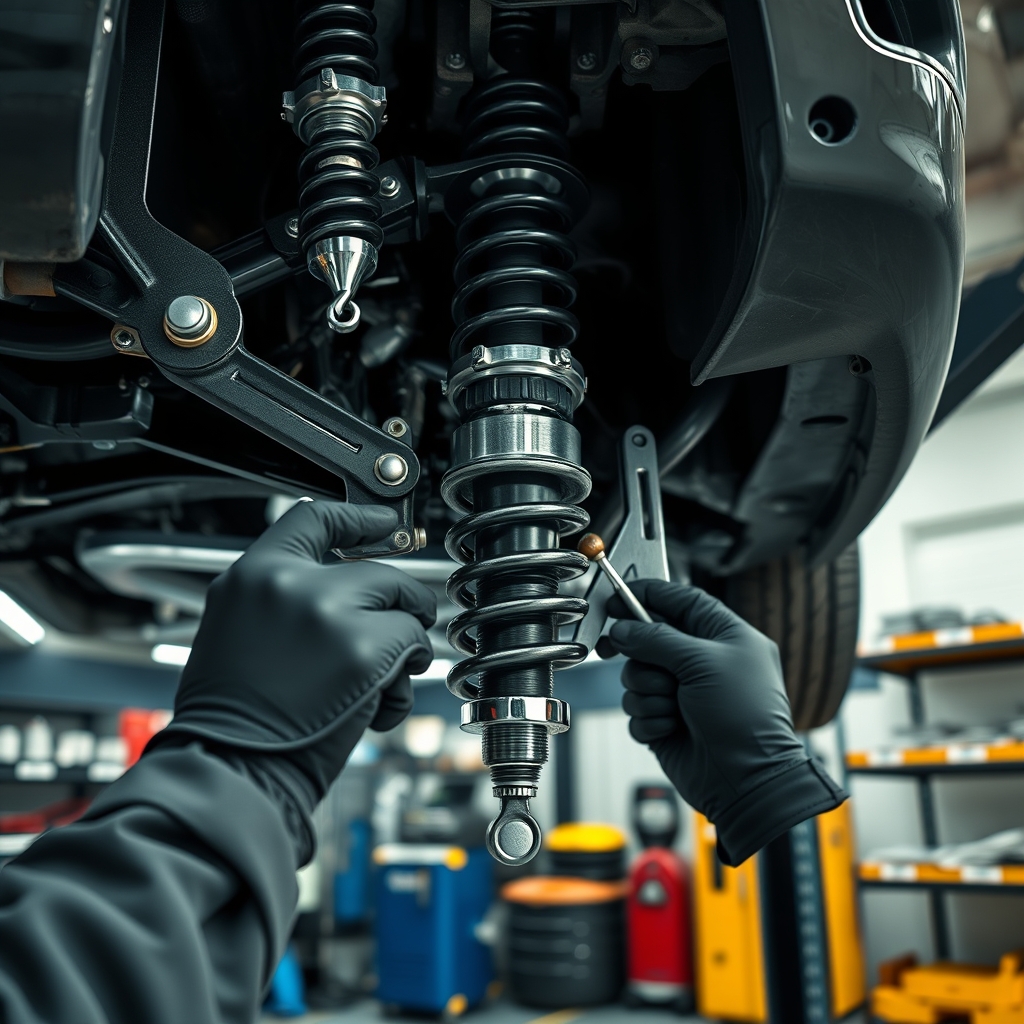
Control arms, also known as A-arms, are the structural links that connect the wheel hub and steering knuckle to the vehicle’s frame. They allow the wheels to move up and down while maintaining the correct alignment and camber angles. Most vehicles have upper and lower control arms, though some modern designs use a single multi-link setup for improved handling and comfort. The control arms house the ball joints and bushings, which absorb road shocks and reduce vibration, contributing to a smoother ride.
Over time, the bushings in the control arms can deteriorate, leading to clunks, rattles, and a general degradation in ride quality. The control arms themselves can also bend or crack due to impacts from potholes or curbs, or simply from years of stress. A bent control arm can throw off your vehicle’s alignment, causing uneven tire wear and poor handling. In some cases, upgrading to aftermarket control arms with stiffer bushings or adjustable camber can enhance performance, particularly for enthusiasts who enjoy spirited driving or track days.
When to Replace and What to Expect
Replacing ball joints, tie rods, or control arms is not a one-size-fits-all job. The lifespan of these components depends on factors such as driving habits, road conditions, and the quality of the parts. For example, a vehicle driven primarily on smooth highways will experience less wear than one subjected to rough city streets or off-road conditions. Similarly, performance-oriented drivers who frequently push their vehicles to the limit may need to replace these components more often than those who drive conservatively.
When it comes time for replacement, it’s essential to use high-quality parts and have the work performed by a skilled technician. Cheap or inferior parts can fail prematurely, leading to additional repairs and potential safety risks. Additionally, replacing these components often requires a wheel alignment afterward to ensure that the vehicle’s geometry is restored to factory specifications. Skipping this step can result in uneven tire wear and poor handling, negating the benefits of the repair.
Upgrading for Performance and Longevity
For those looking to enhance their vehicle’s handling and durability, upgrading to performance-oriented ball joints, tie rods, and control arms can make a noticeable difference. Performance ball joints often feature stronger materials and tighter tolerances, reducing play and improving steering response. Upgraded tie rods can provide a more direct and precise steering feel, which is particularly beneficial for track or autocross use. Meanwhile, aftermarket control arms with adjustable camber or stiffer bushings can improve cornering stability and reduce body roll.
Air suspension conversions are another popular upgrade for those seeking a balance between comfort and performance. By replacing traditional coil springs with air bags, drivers can adjust their vehicle’s ride height and stiffness on the fly, tailoring the suspension to different driving conditions. However, air suspension systems are more complex and require regular maintenance to ensure reliability. They are best suited for enthusiasts who are willing to invest the time and money to keep them in top condition.
Whether you’re driving a daily commuter, a weekend warrior, or a track-ready performance machine, the health of your ball joints, tie rods, and control arms is non-negotiable. These components may not be as glamorous as a new set of wheels or a high-performance exhaust, but they are the foundation of your vehicle’s safety and handling. Regular inspections, timely replacements, and thoughtful upgrades can keep your ride smooth, responsive, and, above all, safe for miles to come. The road ahead is full of challenges, but with a well-maintained suspension system, you’ll be ready to tackle them with confidence and control.