The Future of Auto Body Restoration: How Hydrodynamics and Fiber Laser Welding Are Revolutionizing Collision Repair
The automotive industry is undergoing a transformative shift, driven by advancements in collision repair technology that prioritize precision, efficiency, and sustainability. Among these innovations, hydrodynamics and fiber laser welding stand out as game-changers, redefining how auto body shops approach restoration. These cutting-edge techniques are not only enhancing the quality of repairs but also reducing turnaround times and minimizing environmental impact.
The Power of Hydrodynamics in Auto Body Restoration
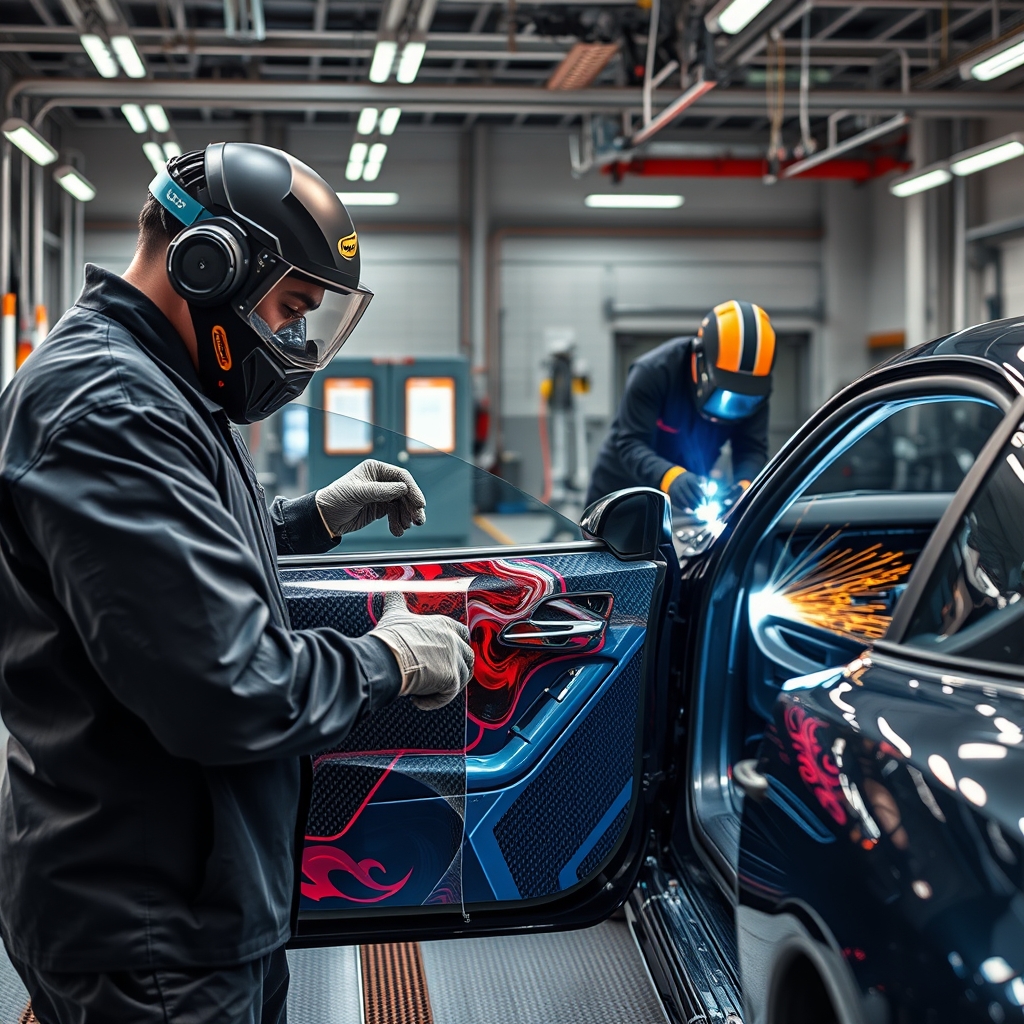
Hydrodynamics, often referred to as hydrographics or water transfer printing, is a process that allows for intricate designs and patterns to be applied to vehicle surfaces with remarkable precision. This technique involves submerging a vehicle part into a water bath where a specialized film dissolves, transferring the design onto the surface. The result is a seamless, high-quality finish that can mimic textures like carbon fiber, wood grain, or even custom artwork.
One of the most significant advantages of hydrodynamics is its versatility. Unlike traditional painting methods, which can be limited by color matching and application techniques, hydrographics offer endless customization options. This makes it an ideal solution for restoring classic cars, enhancing modern vehicles with unique aesthetics, or even repairing damaged panels with a flawless finish. Additionally, the process is eco-friendly, as it reduces the need for excessive paint and solvents, aligning with the industry’s push toward sustainability.
Applications in Collision Repair
In collision repair, hydrodynamics is particularly valuable for restoring or replacing damaged panels. For instance, if a car door or fender is dented or scratched beyond traditional repair methods, hydrographics can be used to apply a new design that seamlessly blends with the rest of the vehicle. This not only restores the aesthetic appeal but also provides an added layer of protection against future damage. Moreover, the durability of hydrographics ensures that the finish remains vibrant and resistant to wear, making it a long-term solution for vehicle owners.
Fiber Laser Welding: Precision Redefined
While hydrodynamics revolutionizes the aesthetic aspect of auto body restoration, fiber laser welding is transforming the structural integrity of repairs. Unlike conventional welding methods, which rely on heat and can cause warping or distortion, fiber laser welding uses a concentrated beam of light to fuse materials with unparalleled precision. This technique is particularly effective for working with lightweight materials like aluminum, which is increasingly used in modern vehicle manufacturing.
Advantages Over Traditional Welding
Fiber laser welding offers several key advantages over traditional welding methods. First, it produces a narrower heat-affected zone, which minimizes the risk of warping or weakening the surrounding material. This is crucial for maintaining the structural integrity of a vehicle, especially in areas like the frame or body panels. Second, fiber laser welding is faster and more efficient, reducing labor costs and turnaround times for repairs. Finally, the precision of the laser allows for cleaner, stronger welds, which are essential for ensuring the safety and longevity of the vehicle.
Applications in Modern Auto Body Shops
In modern auto body shops, fiber laser welding is becoming indispensable for a variety of applications. For example, it is widely used in aluminum body repair, where traditional welding methods can be challenging due to the material’s high thermal conductivity. Fiber laser welding is also ideal for repairing electric vehicle (EV) bodies, which often require specialized techniques to avoid damaging sensitive electronic components. Additionally, the precision of fiber laser welding makes it an excellent choice for frame straightening and panel replacement, ensuring that repairs meet the highest standards of quality and safety.
The Synergy of Hydrodynamics and Fiber Laser Welding
When combined, hydrodynamics and fiber laser welding create a powerful synergy that elevates the standards of auto body restoration. Hydrodynamics provides the aesthetic finish, while fiber laser welding ensures the structural integrity of the repair. Together, these technologies enable auto body shops to deliver results that are not only visually stunning but also durable and long-lasting. This combination is particularly valuable for high-end or custom vehicles, where both appearance and performance are paramount.
Case Study: Restoring a Classic Car
Consider the restoration of a classic car, where the goal is to preserve its original charm while incorporating modern enhancements. Fiber laser welding can be used to repair or replace damaged body panels with precision, ensuring that the vehicle’s structural integrity is maintained. Meanwhile, hydrographics can be applied to restore or customize the exterior, giving the car a fresh, unique look. This approach not only revives the vehicle but also enhances its value, making it a standout in any collection.
The Future of Collision Repair
As the automotive industry continues to evolve, so too will the technologies used in collision repair. Hydrodynamics and fiber laser welding are just the beginning of a broader trend toward smarter, more sustainable, and more precise repair methods. Auto body shops that embrace these innovations will be better equipped to meet the demands of modern vehicles, from electric cars to lightweight aluminum structures. Moreover, these technologies will play a crucial role in reducing the environmental impact of collision repair, aligning with the industry’s growing focus on sustainability.
The integration of hydrodynamics and fiber laser welding into auto body restoration is a testament to the industry’s commitment to innovation. These technologies are not only improving the quality and efficiency of repairs but also expanding the possibilities for customization and creativity. As auto body shops continue to adopt these advancements, vehicle owners can look forward to repairs that are faster, more durable, and more visually appealing than ever before. The future of collision repair is here, and it is defined by precision, sustainability, and unparalleled craftsmanship.