Innovative Car Bumper Repair Techniques: Balancing Aesthetics and Structural Integrity in Modern Vehicles
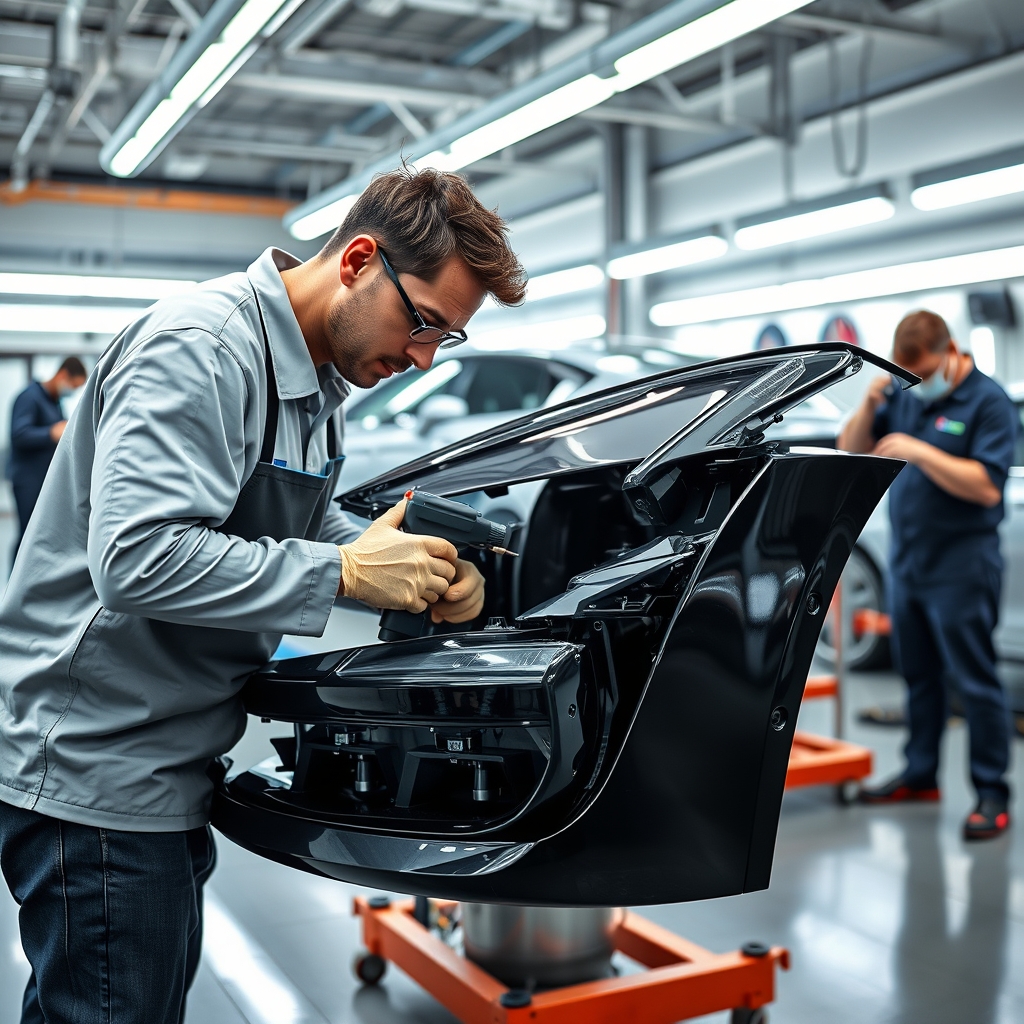
In the ever-evolving world of automotive repair, car bumper repair stands out as a critical service that blends aesthetics with functionality. Modern vehicles are designed with bumpers that not only enhance the car’s visual appeal but also play a vital role in safety by absorbing impact during collisions. As automotive technology advances, so do the techniques used to restore bumpers to their original condition, ensuring they meet both structural and cosmetic standards.
The Importance of Bumper Repair in Vehicle Safety
Bumpers are engineered to protect the vehicle’s front and rear ends from minor collisions, reducing damage to more critical components like the engine, radiator, or exhaust system. A compromised bumper can jeopardize this protective function, making timely and effective repair essential. Beyond safety, a well-maintained bumper contributes to the vehicle’s resale value and overall appearance, which is why car owners increasingly seek high-quality repair solutions.
Traditional vs. Modern Bumper Repair Techniques
Traditionally, bumper repair involved replacing the entire unit or using basic filler materials to patch up dents and scratches. While these methods are still in use, they often fall short in delivering seamless results, especially for modern vehicles with complex designs and advanced materials. Today, auto body shops employ a range of innovative techniques to address bumper damage more efficiently and effectively.
One such technique is plastic welding, which involves fusing damaged plastic bumper components using heat and specialized tools. This method restores the bumper’s structural integrity without the need for full replacement, making it a cost-effective and environmentally friendly option. Another advancement is the use of flexible fillers, which are designed to bond with the bumper’s material, providing a durable and long-lasting repair that can withstand the rigors of daily driving.
Paintless Dent Removal: A Game-Changer for Bumper Repair
Paintless Dent Removal (PDR) has revolutionized the way minor dents and dings are addressed in bumper repair. This technique involves carefully massaging the damaged area from behind the bumper, using specialized tools to restore the panel to its original shape without disturbing the paint. PDR is particularly effective for small to medium-sized dents and offers several advantages over traditional methods:
- Cost-Effective: PDR eliminates the need for repainting, reducing labor and material costs.
- Time-Efficient: Repairs can often be completed in a matter of hours, minimizing downtime for the vehicle owner.
- Preserves Original Finish: Since the paint remains intact, the bumper retains its factory finish, which is especially important for newer vehicles.
While PDR is highly effective for certain types of damage, it is not suitable for all bumper repairs. Deep scratches, cracks, or damage to the bumper’s structural integrity may require more extensive repair methods, such as plastic welding or panel replacement.
Automotive Paint Refinishing: Restoring the Bumper’s Aesthetic Appeal
When bumper damage extends beyond minor dents and scratches, automotive paint refinishing becomes a crucial part of the repair process. This involves carefully matching the vehicle’s original paint color and applying it to the repaired area to achieve a seamless finish. Modern auto body shops use advanced color-matching technology to ensure the new paint blends perfectly with the existing finish, even for custom or metallic paint jobs.
Clear coat scratch repair is another essential aspect of bumper refinishing. Scratches that penetrate the clear coat can expose the underlying paint to environmental damage, leading to corrosion and further deterioration. Technicians use specialized compounds and polishing techniques to restore the clear coat, protecting the bumper from future damage and enhancing its glossy appearance.
Electric Vehicle Bumper Repair: Addressing Unique Challenges
The rise of electric vehicles (EVs) has introduced new challenges in bumper repair. EVs often feature lightweight materials and advanced sensor systems integrated into their bumpers, requiring technicians to exercise extra caution during repairs. For instance, many EVs are equipped with parking sensors, cameras, or radar systems that must be carefully removed and reinstalled to avoid damage. Additionally, the use of lightweight materials like aluminum or carbon fiber in EV bumpers demands specialized repair techniques to maintain structural integrity.
Auto body shops specializing in EV repairs must stay up-to-date with the latest manufacturer guidelines and invest in training to handle these unique challenges. Failure to do so can result in compromised safety features or voided warranties, making it essential for technicians to approach EV bumper repair with precision and expertise.
Hydrographics Water Transfer: A Custom Touch for Bumper Repair
For car enthusiasts looking to add a personal touch to their vehicle, hydrographics water transfer offers a creative solution for bumper customization. This process involves applying a printed design to the bumper using a water-based transfer method, allowing for intricate patterns, textures, or even custom graphics. Hydrographics is particularly popular for off-road vehicles, sports cars, and classic restorations, where owners seek to enhance their vehicle’s unique style.
While hydrographics is primarily a customization technique, it can also be used to conceal minor imperfections in bumper repair. For example, a well-placed design can draw attention away from small scratches or dents, giving the bumper a fresh, customized look. However, it’s important to note that hydrographics should not be used to mask structural damage, as this could compromise the bumper’s safety features.
As automotive technology continues to advance, the techniques and tools used in car bumper repair are evolving to meet the demands of modern vehicles. From paintless dent removal to plastic welding and hydrographics, today’s auto body shops offer a range of solutions to restore bumpers to their original condition while balancing aesthetics and structural integrity. Whether dealing with a minor scratch or significant collision damage, vehicle owners can trust that innovative repair methods are available to keep their cars looking great and performing safely on the road. The key lies in choosing a repair shop that stays ahead of industry trends and invests in the latest technology to deliver results that exceed expectations.