
Breathing Life into Mobility: How Biomimetic Design and Human-Centric Tech Are Shaping the Cars of Tomorrow
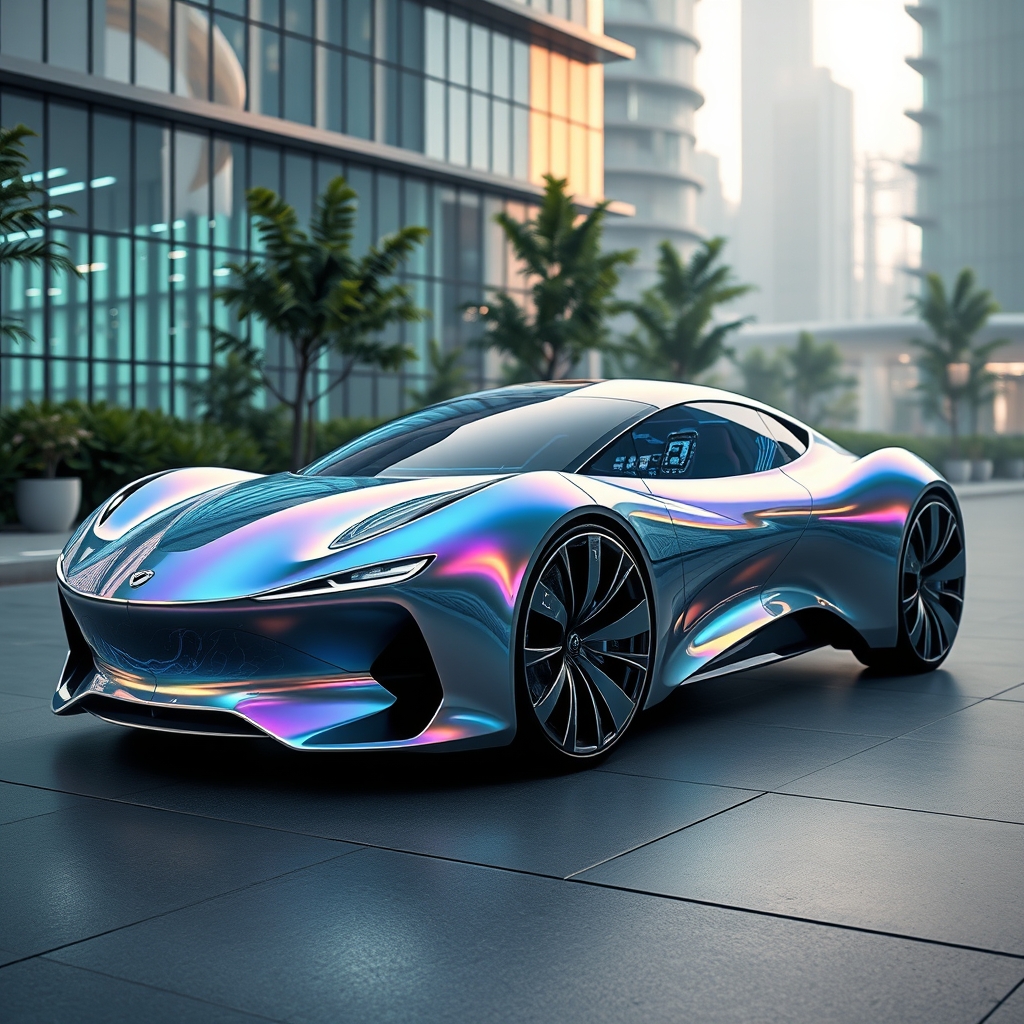
The automotive industry is undergoing a metamorphosis, one where the lines between biology and engineering blur, and where the car is no longer just a machine but an extension of human experience. At the heart of this transformation lies biomimetic vehicle aesthetics—a philosophy that draws inspiration from nature’s elegance to create vehicles that are not only visually stunning but also functionally superior. This approach is redefining what it means to design a car, pushing boundaries in aerodynamics, sustainability, and user interaction.
The Art and Science of Biomimicry in Automotive Design
Biomimicry, the practice of emulating nature’s time-tested patterns and strategies, has found a profound application in automotive design. From the streamlined shape of a fish to the structural resilience of a honeycomb, nature offers a blueprint for innovation. Designers are increasingly turning to these organic forms to enhance aerodynamic efficiency, reduce weight, and improve overall performance. For instance, the sleek curves of a dolphin’s body have inspired the contours of modern electric vehicles (EVs), minimizing drag and maximizing range.
One of the most compelling examples of biomimetic design is the use of kinetic exterior styling, where vehicles mimic the adaptive movements of living organisms. Active aerodynamics systems, such as retractable spoilers or morphing body panels, allow cars to adjust their shape in real-time, optimizing airflow and energy consumption. This dynamic approach not only improves efficiency but also creates a sense of fluidity and motion, even when the vehicle is stationary.
Sustainable Materials: The Building Blocks of the Future
As the industry shifts toward sustainability, the materials used in vehicle construction are evolving. Recyclable body composites and sustainable interior materials are becoming standard, replacing traditional plastics and metals with eco-friendly alternatives. For example, mycelium-based composites, derived from fungal networks, offer a lightweight yet durable solution for interior panels, while algae-based polymers are being explored for exterior components. These materials not only reduce the environmental footprint but also enhance the vehicle’s lifecycle, ensuring that every part can be repurposed or biodegraded.
Modular platform engineering further amplifies this sustainability. By designing vehicles on flexible architectures, manufacturers can easily swap components, extend the lifespan of parts, and adapt to new technologies without requiring a complete redesign. This modularity is particularly crucial for EVs, where battery packs and drivetrain configurations can be updated as technology advances, reducing waste and lowering costs for consumers.
Human-Centric Innovation: Redefining the Driving Experience
The interior of a vehicle is no longer just a space for seating and controls—it’s a sanctuary designed to adapt to the needs of its occupants. Autonomous cabin design is at the forefront of this evolution, creating environments that prioritize comfort, safety, and personalization. Imagine stepping into a car where the seats adjust to your posture, the lighting shifts to match your circadian rhythm, and the climate control anticipates your preferences. This is the promise of human-centric lighting design and smart interiors, where technology fades into the background, creating a seamless and intuitive experience.
Smart glass technology is another game-changer, transforming windows into interactive displays. With the ability to adjust opacity, display navigation cues, or even project augmented reality (AR) overlays, smart glass blurs the line between the physical and digital worlds. This innovation is particularly valuable in autonomous vehicles, where the traditional dashboard is replaced by a minimalist layout that prioritizes clarity and ease of use. The result is a cabin that feels open, uncluttered, and deeply connected to the world outside.
The Role of Digital Twins and Generative Design
Behind the scenes, cutting-edge technologies like digital twin prototyping and generative automotive design are accelerating the development of these futuristic vehicles. Digital twins—virtual replicas of physical cars—allow engineers to simulate and test every aspect of a vehicle’s performance before a single prototype is built. This not only reduces development time and costs but also enables designers to explore radical new concepts with unprecedented precision.
Generative design, powered by artificial intelligence, takes this a step further by autonomously generating thousands of design iterations based on specific parameters. Whether it’s optimizing the structure of a chassis for lightweight durability or refining the aerodynamics of a body panel, generative design uncovers solutions that human designers might overlook. The result is a vehicle that is not only more efficient but also more innovative, pushing the boundaries of what’s possible in automotive engineering.
The Aesthetics of Tomorrow: Where Form Meets Function
The visual language of future vehicles is being rewritten, with seamless display integration and holographic user interfaces becoming central to the design. Gone are the days of cluttered dashboards filled with buttons and dials. Instead, touch-sensitive surfaces, gesture controls, and even voice-activated systems create an interface that is both intuitive and immersive. Holographic displays, for instance, can project 3D images that appear to float in mid-air, providing drivers with real-time data without distracting from the road ahead.
Exterior design is also evolving, with a focus on biomimetic vehicle aesthetics that evoke the beauty and efficiency of nature. From the iridescent sheen of a butterfly’s wings to the geometric precision of a spider’s web, these designs are not just visually striking—they serve a purpose. For example, surfaces inspired by shark skin reduce drag, while patterns mimicking leaf veins improve structural integrity. The result is a vehicle that is as functional as it is breathtaking, a true fusion of art and engineering.
As we stand on the cusp of this new era, it’s clear that the cars of tomorrow will be defined by their ability to harmonize with both the environment and the humans who drive them. They will be lighter, smarter, and more sustainable, yet also more expressive and emotionally resonant. The road ahead is not just about getting from point A to point B—it’s about reimagining what mobility can be, and how it can enrich our lives in ways we’ve only begun to explore. The journey has just begun, and the possibilities are as limitless as the natural world that inspires them.