The Future of Auto Body Aesthetics: How Custom Car Painting and Hydrographics Are Redefining Personalization
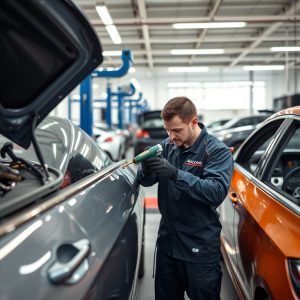
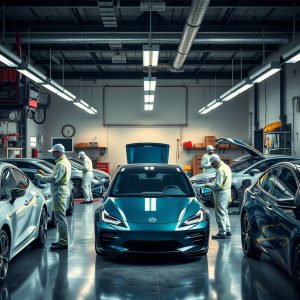
In the ever-evolving world of automotive customization, the lines between art and technology have never been more blurred. Today’s auto body shops are not just repair centers; they are studios where creativity meets precision, and where vehicles are transformed into rolling masterpieces. At the heart of this transformation lies the dynamic duo of custom car painting and hydrographics, two techniques that are redefining how we think about vehicle personalization and protection.
The Renaissance of Custom Car Painting
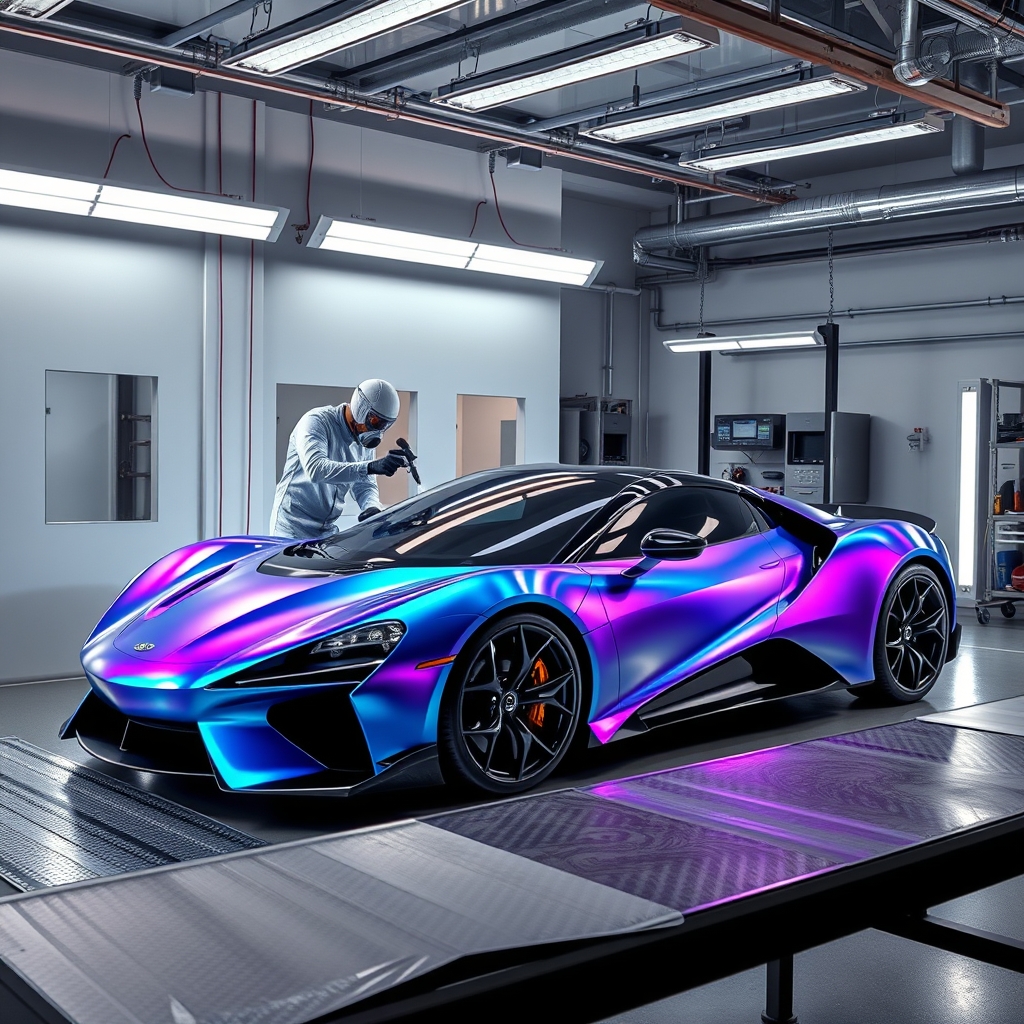
Custom car painting has long been a cornerstone of automotive expression, but recent advancements in materials and techniques have elevated it to an art form. Gone are the days when a simple color change was the pinnacle of customization. Today, auto body specialists employ a range of innovative methods, from airbrushing intricate designs to applying multi-stage pearl and metallic finishes that shift hues under different lighting conditions. These techniques require not only a steady hand but also a deep understanding of color theory, surface preparation, and the chemical interactions of modern paints.
One of the most exciting developments in this space is the use of waterborne paints, which offer a more environmentally friendly alternative to traditional solvent-based options. These paints reduce volatile organic compound (VOC) emissions, making them a sustainable choice without compromising on quality or durability. Additionally, advancements in paint application technology, such as high-volume, low-pressure (HVLP) spray guns, allow for smoother, more consistent finishes with minimal overspray, ensuring that every custom job meets the highest standards of precision.
The Role of Automotive Spray Booths in Achieving Perfection
Behind every flawless custom paint job is an automotive spray booth, a controlled environment designed to eliminate contaminants and ensure optimal conditions for paint application. Modern spray booths are equipped with advanced filtration systems, temperature and humidity controls, and even LED lighting to provide technicians with the perfect setting to work their magic. These booths are not just about achieving a showroom-quality finish; they also play a critical role in protecting the health of technicians by minimizing exposure to harmful fumes and particulates.
For custom car painting, the spray booth is where the transformation truly begins. Whether it’s a full-body color change, a subtle pinstripe, or a complex mural, the controlled environment of the booth ensures that the final result is nothing short of spectacular. The integration of smart technology into these booths, such as automated airflow systems and real-time monitoring, further enhances their efficiency and effectiveness, making them an indispensable tool in the modern auto body shop.
Hydrographics: The Art of Water Transfer Printing
While custom painting offers endless possibilities for personalization, hydrographics—also known as water transfer printing—takes vehicle customization to a whole new level. This process involves applying intricate patterns or designs to three-dimensional surfaces using a water-soluble film. The film is carefully placed on the surface of a water tank, where it dissolves, leaving the ink floating on the water’s surface. The object to be customized, such as a car panel or interior trim piece, is then dipped into the water, allowing the ink to wrap around its contours seamlessly.
The beauty of hydrographics lies in its versatility. From carbon fiber and wood grain patterns to camouflage and custom graphics, the possibilities are limited only by the imagination. This technique is particularly popular for customizing interior components, such as dashboard panels, door handles, and even entire center consoles. It’s also a favorite for adding unique touches to exterior parts like mirror covers, grilles, and spoilers. The result is a one-of-a-kind finish that cannot be replicated by traditional painting methods.
Precision and Preparation: The Keys to Success
While hydrographics may seem like magic, the process is deeply rooted in precision and preparation. The surface to be customized must be meticulously cleaned and primed to ensure the film adheres properly. Any imperfections, such as scratches or dents, must be addressed beforehand, often requiring the expertise of techniques like paintless dent removal or the application of auto body filler. Once the surface is prepped, the hydrographics process itself requires a steady hand and an eye for detail, as the object must be dipped at the correct angle and speed to achieve a flawless finish.
After the dipping process, the object is rinsed and dried, and a clear coat is applied to protect the design and enhance its durability. This final step is crucial, as it ensures the hydrographics pattern remains vibrant and resistant to wear and tear. For added protection, many auto body shops recommend pairing hydrographics with a ceramic coating, which provides an extra layer of defense against UV rays, chemicals, and minor scratches.
The Synergy of Customization and Protection
The true power of custom car painting and hydrographics lies in their ability to merge aesthetics with functionality. A vehicle that has been customized with these techniques is not just a statement piece; it’s also a testament to the advancements in automotive protection. For instance, a custom paint job can be enhanced with a ceramic coating, which not only preserves the finish but also makes it easier to clean and maintain. Similarly, hydrographics can be combined with corrosion prevention treatments to ensure that the customized surfaces remain pristine for years to come.
This synergy is particularly important in an era where vehicle owners are increasingly seeking ways to express their individuality while also protecting their investments. Whether it’s a classic car restored to its former glory or a modern vehicle transformed into a work of art, the combination of custom painting and hydrographics offers a level of personalization that was once unimaginable. As technology continues to advance, the possibilities for automotive customization will only expand, allowing enthusiasts and everyday drivers alike to create vehicles that are as unique as they are.
In a world where vehicles are often seen as mere modes of transportation, custom car painting and hydrographics remind us that they can also be canvases for creativity. These techniques are not just about changing the appearance of a car; they are about elevating it to something extraordinary, something that reflects the personality and passion of its owner. As auto body shops continue to push the boundaries of what’s possible, one thing is clear: the future of automotive aesthetics is limited only by the imagination.