
The Hidden Mastery of Aluminum Body Repair: Techniques, Challenges, and the Future of Lightweight Automotive Restoration
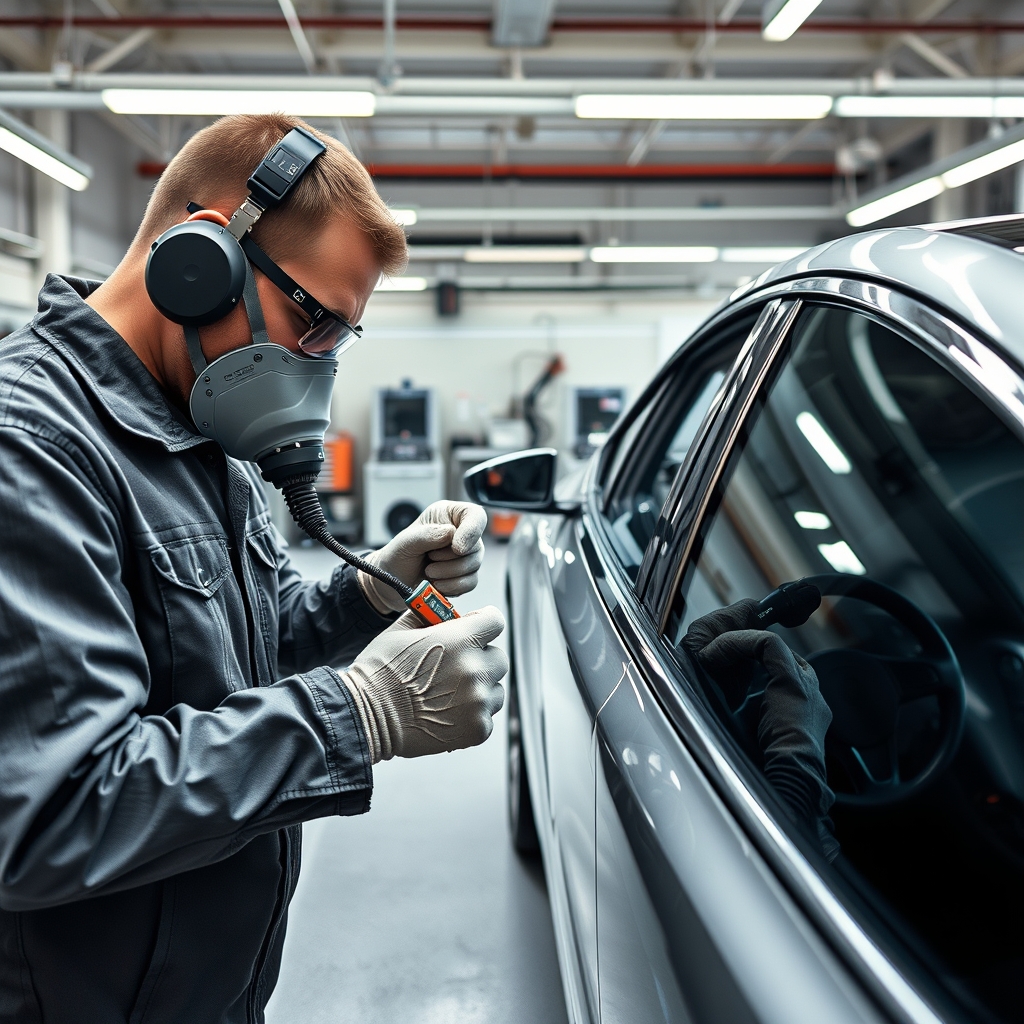
In the ever-evolving world of automotive repair, few materials have presented as many opportunities—and challenges—as aluminum. Once reserved for high-end sports cars and luxury vehicles, aluminum is now a staple in modern manufacturing, thanks to its lightweight properties and corrosion resistance. Yet, for collision repair technicians, working with aluminum demands a level of precision and expertise that goes far beyond traditional steel repairs. The shift toward aluminum-intensive vehicles, such as those produced by Tesla, Audi, and Jaguar, has forced auto body shops to adapt, invest in new tools, and master techniques that were once considered niche.
The Unique Challenges of Aluminum Body Repair
Aluminum behaves differently than steel in nearly every aspect of the repair process. Its lower melting point, higher thermal conductivity, and tendency to work-harden make it a finicky material to work with. Unlike steel, which can often be reshaped with brute force, aluminum requires a gentler touch. Overworking the metal can lead to cracks, warping, or even structural failure, turning what should be a straightforward repair into a costly mistake. This is why specialized training and equipment are not just recommended—they’re essential.
One of the most critical differences lies in the way aluminum responds to heat. While steel can be heated and reshaped with relative ease, aluminum’s high thermal conductivity means heat dissipates quickly, making it difficult to control. This is where advanced techniques like fiber laser welding come into play. Unlike traditional MIG or TIG welding, fiber laser welding offers pinpoint accuracy, minimizing heat distortion and preserving the integrity of the surrounding metal. The result is a stronger, cleaner weld that maintains the vehicle’s structural integrity without compromising its lightweight properties.
The Role of Specialized Tools and Equipment
Working with aluminum isn’t just about skill—it’s about having the right tools. Auto body shops that specialize in aluminum repairs invest heavily in equipment designed specifically for the material. Dedicated aluminum repair benches, for example, provide the stability and precision needed to realign panels without causing further damage. These benches often come equipped with laser measuring systems, ensuring that every adjustment is made with millimeter accuracy.
Another game-changer is the use of aluminum-specific dent removal tools. Traditional steel tools can contaminate aluminum surfaces, leading to corrosion or weakened structural integrity. Aluminum tools, on the other hand, are designed to work harmoniously with the metal, reducing the risk of cross-contamination. Similarly, aluminum riveting systems have become a standard in modern collision repair, offering a secure and durable alternative to welding in areas where heat could compromise the material.
Paintless Dent Removal and Aluminum: A Delicate Balance
For minor dents and dings, paintless dent removal (PDR) remains one of the most efficient and cost-effective solutions. However, when dealing with aluminum, the process becomes more complex. Aluminum’s tendency to work-harden means that even small dents can become stubborn if not addressed correctly. Technicians must use specialized PDR tools and techniques to gradually massage the metal back into place without causing further damage.
The key to successful PDR on aluminum lies in patience and precision. Unlike steel, which can often be coaxed back into shape with a few strategic taps, aluminum requires a slower, more methodical approach. Technicians must carefully assess the depth and location of the dent, then use a combination of leverage and pressure to restore the panel without overworking the metal. In some cases, heat may be applied to soften the aluminum, but this must be done with extreme caution to avoid warping or weakening the material.
The Future of Aluminum Body Repair: Innovation and Sustainability
As automakers continue to push the boundaries of lightweight design, the demand for aluminum repair expertise will only grow. Electric vehicles, in particular, are driving this trend, as manufacturers seek to offset the weight of heavy battery packs with aluminum-intensive body structures. This shift is forcing collision repair shops to rethink their approach to training, equipment, and even shop layout. Dedicated aluminum workstations, separate from steel repair areas, are becoming the norm to prevent cross-contamination and ensure the highest quality repairs.
One of the most exciting developments in aluminum repair is the rise of smart repair systems. These advanced technologies use AI and machine learning to assess damage, recommend repair strategies, and even guide technicians through the process. For example, some systems can analyze a dent’s depth and shape, then suggest the optimal PDR tool and technique to restore the panel. This not only improves efficiency but also reduces the risk of human error, ensuring that repairs are both precise and consistent.
Sustainability is another driving force behind the evolution of aluminum repair. Unlike steel, which can be recycled indefinitely, aluminum requires significantly less energy to recycle, making it a more eco-friendly choice for automakers and repair shops alike. Many modern collision centers are now incorporating aluminum recycling programs into their operations, further reducing their environmental footprint. This commitment to sustainability is not just good for the planet—it’s also a selling point for customers who prioritize eco-conscious businesses.
The Importance of Continuous Learning
The rapid pace of innovation in aluminum body repair means that technicians must commit to lifelong learning. Certifications from organizations like I-CAR (Inter-Industry Conference on Auto Collision Repair) are no longer optional—they’re a necessity for shops that want to stay competitive. These programs cover everything from basic aluminum repair techniques to advanced welding and riveting methods, ensuring that technicians are equipped to handle even the most complex repairs.
For auto body shops, investing in training and equipment is just the first step. Building a reputation for excellence in aluminum repair requires a commitment to quality, attention to detail, and a willingness to embrace new technologies. Shops that succeed in this space will not only attract more customers but also position themselves as leaders in the future of collision repair.
The journey of aluminum from a niche material to a cornerstone of modern automotive design is a testament to the industry’s ability to innovate. Yet, for all its advantages, aluminum remains a material that demands respect, precision, and expertise. As vehicles continue to evolve, so too must the techniques and technologies used to repair them. The shops that thrive in this new era will be those that see aluminum not as a challenge, but as an opportunity to redefine what’s possible in collision repair. The future of automotive restoration is lightweight, sustainable, and built on a foundation of mastery—one panel at a time.