
The Art and Science of Paintless Dent Removal: Preserving Perfection Without a Trace
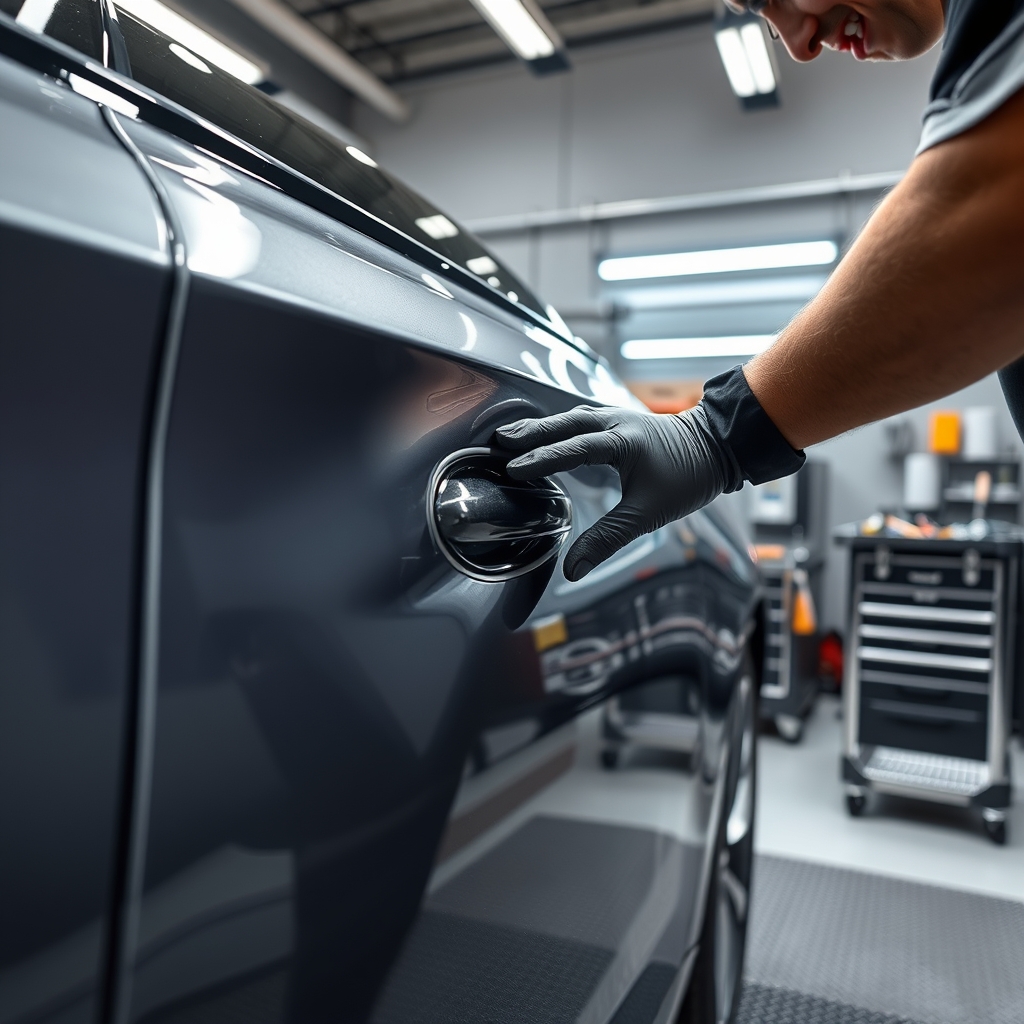
In the world of collision repair, few techniques have revolutionized the industry as profoundly as paintless dent removal (PDR). This method, which restores a vehicle’s body to its original condition without disturbing the factory finish, is a testament to the blend of precision, skill, and modern technology. Unlike traditional repair methods that rely on fillers, sanding, and repainting, PDR offers a faster, more cost-effective, and environmentally friendly solution for minor dents and dings. But what makes this technique so effective, and why has it become a cornerstone of modern auto body repair?
The Science Behind the Technique
Paintless dent removal is rooted in the principles of metal memory and elasticity. When a dent occurs, the metal in the vehicle’s body panel is stretched and deformed. PDR leverages the metal’s natural ability to return to its original shape when manipulated with the right tools and techniques. Technicians use specialized tools—such as metal rods, hooks, and LED lighting systems—to carefully massage the dent from behind the panel, gradually coaxing the metal back into place. The process requires a deep understanding of metallurgy, as different metals (steel, aluminum, or high-strength alloys) respond differently to pressure and manipulation.
One of the key advantages of PDR is its ability to preserve the vehicle’s original paint. Factory finishes are designed to be durable and resistant to fading, but repainting can never perfectly match the original color and texture. By avoiding repainting, PDR ensures that the vehicle retains its factory finish, which is particularly important for maintaining resale value. Additionally, PDR eliminates the need for harmful chemicals and solvents used in traditional bodywork, making it a more sustainable option for eco-conscious consumers and repair shops.
The Tools of the Trade
PDR is as much an art as it is a science, and the tools used in the process reflect this duality. Technicians rely on a variety of specialized instruments, each designed for specific types of dents and panel configurations. For example, whale tails and knockdowns are used to smooth out high spots, while glue-pulling systems allow technicians to access dents on panels where traditional tools cannot reach. LED lighting systems play a crucial role in PDR by casting shadows that reveal the depth and contours of the dent, allowing technicians to assess their progress with precision.
Training and experience are critical in PDR, as the technique requires a keen eye and a steady hand. Technicians must develop an intuitive understanding of how metal behaves under pressure, as well as the ability to visualize the dent’s structure from multiple angles. Many PDR professionals undergo rigorous certification programs to hone their skills, ensuring that they can tackle even the most challenging dents with confidence.
When PDR Isn’t the Answer
While PDR is a powerful tool in the collision repair arsenal, it is not a one-size-fits-all solution. The technique is most effective for small to medium-sized dents where the paint has not been cracked or chipped. Dents with sharp creases, deep gouges, or damage to the paint may require traditional repair methods, such as filling and repainting. Additionally, PDR is less effective on panels with complex curves or limited access, such as certain areas of the roof or quarter panels. In these cases, technicians may combine PDR with other techniques, such as glue pulling or partial panel replacement, to achieve the best results.
The Future of PDR: Innovation and Integration
As automotive technology continues to evolve, so too does the field of paintless dent removal. Advances in materials science, such as the increasing use of aluminum and carbon fiber in vehicle construction, are pushing PDR technicians to adapt their techniques. Aluminum, for example, is more brittle than steel and requires a gentler touch to avoid cracking or warping the panel. Similarly, the rise of electric vehicles (EVs) presents new challenges, as their unique body structures and battery placements can limit access to certain areas of the vehicle.
Innovations in PDR tools and technology are also driving the industry forward. For instance, robotic PDR systems are being developed to automate the process, reducing the margin of error and increasing efficiency. These systems use advanced sensors and AI-driven algorithms to map the dent’s contours and apply precise pressure, making them ideal for high-volume repair shops. While human expertise remains irreplaceable, these technologies are poised to complement the work of skilled technicians, further elevating the quality and consistency of PDR.
The Environmental and Economic Benefits
Beyond its technical advantages, PDR offers significant environmental and economic benefits. Traditional dent repair methods generate a considerable amount of waste, including sanding dust, paint overspray, and chemical solvents. PDR, by contrast, produces virtually no waste, making it a greener alternative for both repair shops and vehicle owners. This sustainability factor is becoming increasingly important as consumers and businesses alike seek to reduce their environmental footprint.
From an economic standpoint, PDR is often more affordable than traditional repair methods. Because the process is faster and requires fewer materials, labor costs are reduced, making it an attractive option for insurance companies and vehicle owners. Additionally, PDR can be performed on-site or in mobile repair units, further reducing downtime and inconvenience for the customer. This efficiency has made PDR a preferred choice for fleet managers, dealerships, and rental car companies looking to maintain their vehicles with minimal disruption.
The art of paintless dent removal is a perfect example of how modern collision repair blends craftsmanship with cutting-edge technology. By preserving the integrity of a vehicle’s original finish and offering a sustainable, cost-effective solution, PDR has earned its place as a go-to technique for minor body damage. As the automotive industry continues to innovate, the principles of PDR will remain a cornerstone of precision repair, ensuring that vehicles not only look their best but also retain their value and structural integrity for years to come. Whether it’s a minor ding from a shopping cart or a more substantial dent from a parking lot mishap, PDR proves that sometimes, the best repairs are the ones you can’t see.