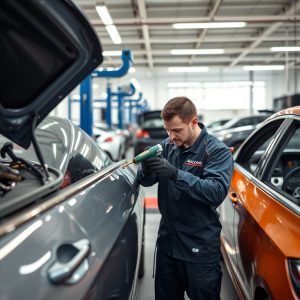
The Future of Car Panel Replacement: Innovations and Techniques Shaping Modern Auto Body Restoration
In the ever-evolving world of automotive repair, car panel replacement stands as one of the most critical yet underappreciated aspects of collision repair technology. As vehicles become more advanced, with complex materials and integrated sensors, the process of replacing damaged panels has transformed from a straightforward mechanical task into a high-precision operation that demands cutting-edge tools and techniques. Modern auto body shops are no longer just replacing metal; they are restoring structural integrity, preserving safety features, and ensuring that the vehicle’s aesthetic and functional qualities remain intact.
The Shift Toward Advanced Materials
Gone are the days when steel was the dominant material in vehicle construction. Today’s cars incorporate a mix of high-strength steel, aluminum, carbon fiber, and even magnesium alloys. Each of these materials presents unique challenges in panel replacement. Aluminum, for instance, requires specialized welding techniques and corrosion prevention measures to ensure longevity. Carbon fiber panels, often found in high-performance and electric vehicles, demand precision cutting and adhesive bonding rather than traditional welding. The shift toward these advanced materials has forced auto body technicians to expand their skill sets, blending traditional craftsmanship with modern engineering principles.
Precision Cutting and Laser Welding
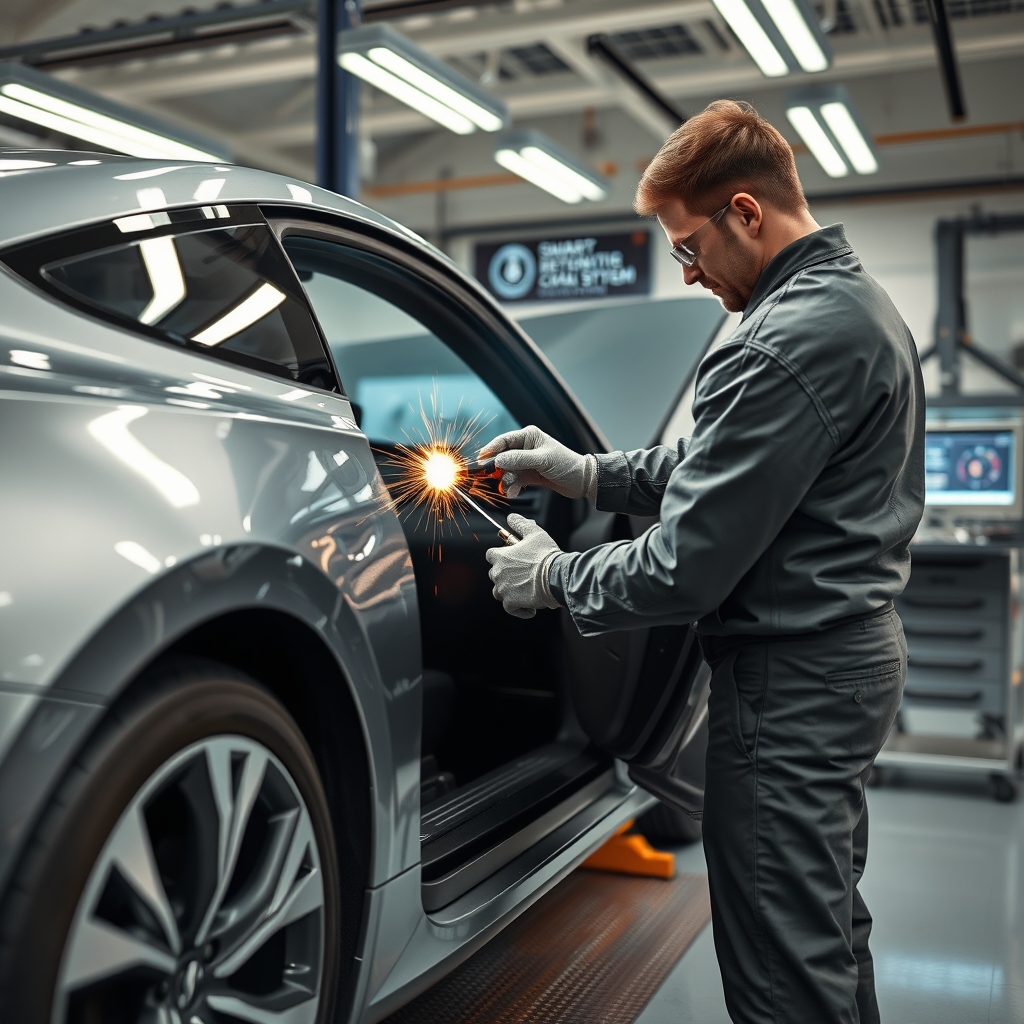
One of the most significant advancements in car panel replacement is the adoption of fiber laser welding. Unlike traditional MIG or TIG welding, fiber laser welding offers unparalleled precision, allowing technicians to join panels with minimal heat distortion. This is particularly crucial for aluminum and high-strength steel, where excessive heat can weaken the material and compromise structural integrity. Laser welding also enables cleaner, more aesthetically pleasing seams, reducing the need for excessive body filler and ensuring a smoother finish. Additionally, laser alignment systems have revolutionized the way panels are fitted, ensuring that replacements align perfectly with the vehicle’s original geometry.
The Role of Smart Repair Systems
Smart repair systems have become a game-changer in modern collision repair, particularly for car panel replacement. These systems leverage advanced diagnostics and modular repair techniques to minimize the need for full panel replacements. For example, if a quarter panel is damaged, smart repair systems can identify whether a partial replacement or a blend of repair techniques—such as paintless dent removal and spot refinishing—can restore the panel without a full replacement. This not only reduces costs for vehicle owners but also speeds up the repair process, allowing shops to handle more jobs efficiently.
Integrating Technology with Craftsmanship
While technology plays a pivotal role in modern panel replacement, the human element remains irreplaceable. Skilled technicians must interpret diagnostic data, assess structural damage, and make critical decisions about the best repair approach. For instance, electric vehicles (EVs) often feature battery packs and high-voltage components that require careful handling during panel replacement. Technicians must be trained to work around these systems safely, ensuring that repairs do not compromise the vehicle’s electrical integrity. Similarly, luxury and performance vehicles often have custom panels that demand a keen eye for detail and a deep understanding of automotive design.
Corrosion Prevention and Long-Term Protection
Replacing a car panel is not just about aesthetics; it’s also about ensuring the vehicle’s longevity. One of the biggest challenges in panel replacement is preventing corrosion, especially in regions with harsh climates or high humidity. Modern auto body shops use advanced corrosion prevention techniques, such as electrocoating (e-coating) and ceramic coating applications, to protect newly installed panels. E-coating involves immersing the panel in a protective solution that bonds to the metal, creating a barrier against rust. Ceramic coatings, on the other hand, provide an additional layer of protection, shielding the paint from UV damage, chemicals, and minor abrasions. These treatments not only extend the life of the repair but also enhance the vehicle’s overall appearance.
The Importance of Proper Refinishing
Once a panel is replaced, the refinishing process begins. Automotive paint refinishing has evolved significantly, with waterborne paints and advanced spray booths becoming the industry standard. Waterborne paints are more environmentally friendly and provide a smoother, more durable finish compared to traditional solvent-based paints. Additionally, modern spray booths are equipped with climate control and filtration systems that ensure optimal conditions for paint application, reducing the risk of defects like orange peel or dust contamination. Clear coat scratch repair has also become more sophisticated, with techniques like wet sanding and polishing allowing technicians to restore a flawless finish even after minor imperfections.
The Future of Car Panel Replacement
As automotive technology continues to advance, so too will the techniques and tools used in car panel replacement. Electric and autonomous vehicles will introduce new challenges, such as integrating sensors and cameras into replacement panels. Meanwhile, advancements in 3D printing may one day allow auto body shops to fabricate custom panels on demand, reducing lead times and costs. However, no matter how advanced the technology becomes, the core principles of panel replacement—precision, craftsmanship, and attention to detail—will remain unchanged. The goal is not just to fix a damaged vehicle but to restore it to its original condition, ensuring safety, performance, and aesthetics are all preserved.
The next time you see a vehicle that looks as good as new after an accident, remember that behind that flawless finish lies a combination of cutting-edge technology and skilled craftsmanship. Car panel replacement is no longer just a repair; it’s an art form that blends innovation with tradition, ensuring that every vehicle on the road is not just functional but also a testament to the advancements in modern auto body restoration.