
Shaping Tomorrow: The Intersection of Art and Engineering in Modern Automotive Design
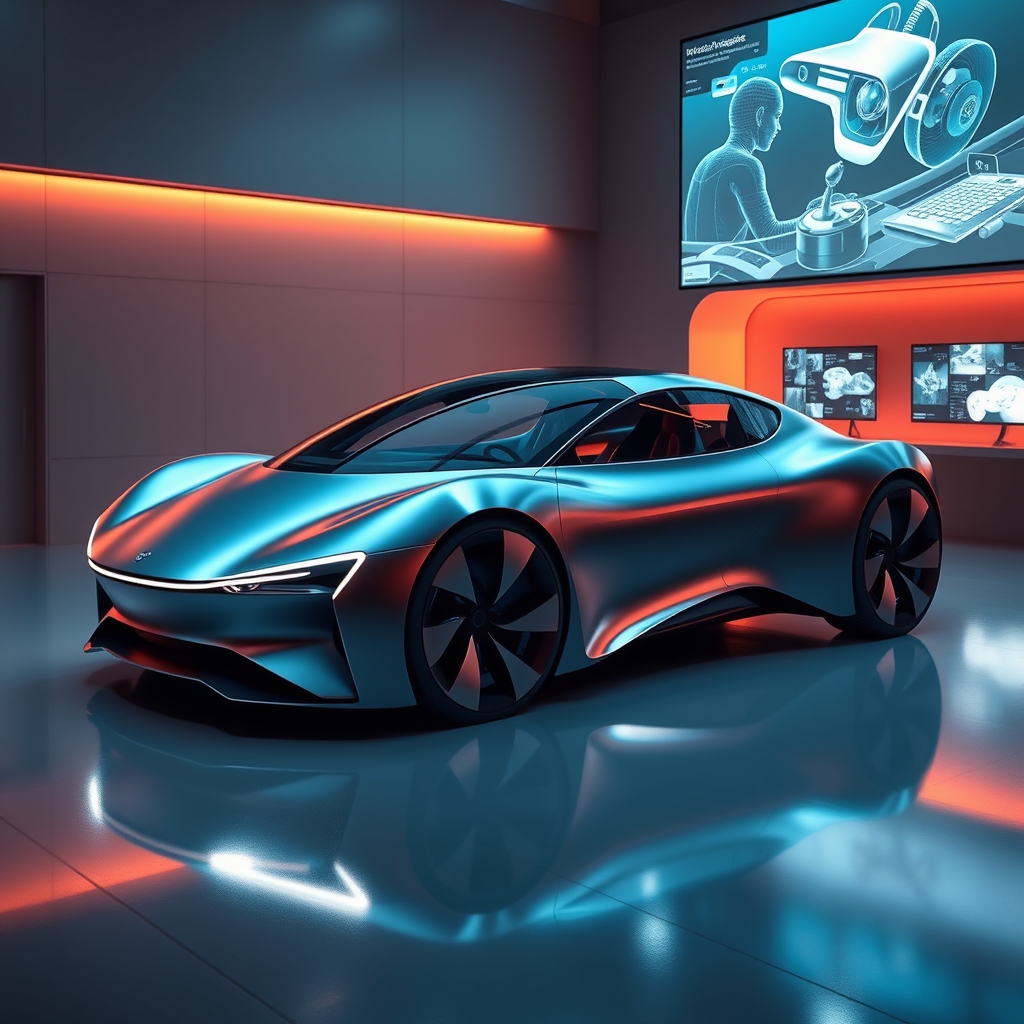
The automotive industry is undergoing a transformative shift, where the boundaries between art and engineering blur to create vehicles that are not only efficient but also emotionally resonant. This evolution is driven by a fusion of cutting-edge technologies and visionary design philosophies, redefining what it means to move through the world. At the heart of this revolution lies a commitment to sustainability, innovation, and human-centric experiences, all of which are reshaping the very fabric of automotive design.
The Science of Aerodynamic Efficiency
Aerodynamic efficiency has long been a cornerstone of automotive engineering, but today’s advancements are pushing the limits of what’s possible. Modern vehicles are no longer just shaped by wind tunnels; they are sculpted by computational fluid dynamics (CFD) and generative design algorithms. These tools allow engineers to explore thousands of iterations in search of the perfect balance between form and function. The result? Cars that slice through the air with minimal resistance, reducing energy consumption and extending the range of electric vehicles (EVs).
Active aerodynamics systems take this a step further by dynamically adjusting a vehicle’s shape in real-time. For instance, adaptive spoilers, grille shutters, and even morphing body panels respond to speed, road conditions, and driving modes to optimize airflow. This level of precision was once the stuff of science fiction, but it’s now a reality in high-performance and mass-market vehicles alike. The marriage of aerodynamics and aesthetics is creating cars that are as visually striking as they are efficient.
Sustainable Interior Materials: Redefining Luxury
The interior of a vehicle is where drivers and passengers spend the most time, making it a critical focus for sustainable innovation. Traditional materials like leather and plastics are being replaced by eco-friendly alternatives that don’t compromise on luxury or durability. Recycled fabrics, plant-based leathers, and even mycelium-based composites are finding their way into cabin designs, offering a guilt-free indulgence for environmentally conscious consumers.
Beyond materials, the concept of modular platform engineering is revolutionizing how interiors are designed. By creating adaptable frameworks, manufacturers can easily swap out components, extend the lifespan of vehicles, and reduce waste. This approach also allows for greater personalization, as owners can update their interiors to reflect changing tastes or needs without replacing the entire vehicle. The shift toward sustainability is not just about reducing environmental impact; it’s about reimagining the relationship between people and their cars.
Human-Centric Lighting and Smart Glass Technology
Lighting has evolved from a functional necessity to a key element of cabin design, with human-centric lighting systems leading the charge. These systems mimic natural light patterns, adjusting color temperature and intensity to align with the body’s circadian rhythms. The result is a more comfortable and less fatiguing driving experience, particularly during long journeys. Ambient lighting can also enhance the perceived spaciousness of a cabin, creating an atmosphere of tranquility and luxury.
Smart glass technology complements this by offering dynamic control over transparency and opacity. Windows and sunroofs can tint automatically to reduce glare, regulate cabin temperature, or even display augmented reality (AR) navigation cues. This seamless integration of technology into the driving experience blurs the line between the physical and digital worlds, making every journey more intuitive and engaging.
Biomimetic Aesthetics and Kinetic Styling
Nature has always been a source of inspiration for designers, and biomimetic vehicle aesthetics are taking this influence to new heights. By studying the forms and structures found in the natural world, designers are creating vehicles that are not only visually stunning but also inherently efficient. For example, the sleek curves of a fish or the aerodynamic profile of a bird’s wing can inform the shape of a car, reducing drag while evoking a sense of organic beauty.
Kinetic exterior styling adds another layer of dynamism to automotive design. Moving elements, such as active grille shutters or deployable aerodynamic aids, create a sense of motion even when the vehicle is stationary. These features are not just about aesthetics; they serve a functional purpose by improving performance and efficiency. The interplay between static and dynamic design elements is redefining what it means for a car to be alive.
The Role of Digital Twins and Generative Design
The digital revolution has given rise to tools like digital twin prototyping and generative automotive design, which are accelerating the pace of innovation. Digital twins—virtual replicas of physical vehicles—allow engineers to simulate and test every aspect of a car’s performance before a single prototype is built. This reduces development time, cuts costs, and enables more ambitious designs to come to life.
Generative design takes this a step further by using artificial intelligence to explore countless design possibilities based on predefined parameters. Whether it’s optimizing the structure of a chassis for lightweight strength or refining the aerodynamics of a body panel, generative design uncovers solutions that human engineers might never have considered. The result is a new era of creativity, where the boundaries of what’s possible are constantly being pushed.
The Autonomous Cabin: A New Era of Interaction
As autonomous driving technology advances, the cabin of the future is being reimagined as a space for relaxation, productivity, and connection. Without the need to focus on the road, interiors are becoming more like living rooms or mobile offices, with flexible seating arrangements, integrated entertainment systems, and even holographic user interfaces. The minimalist dashboard layout is giving way to seamless display integration, where screens blend into the cabin’s design, offering information only when needed.
Augmented reality dashboards are another game-changer, overlaying critical data onto the driver’s field of view without distracting from the driving experience. Whether it’s navigation cues, hazard warnings, or vehicle diagnostics, AR ensures that information is always accessible and intuitive. This shift toward a more immersive and interactive cabin is transforming the way we think about mobility.
The future of automotive design is not just about creating faster, more efficient vehicles; it’s about crafting experiences that resonate on a deeper level. By blending art and engineering, sustainability and innovation, form and function, the industry is paving the way for a new era of mobility—one where every journey is as meaningful as the destination itself. The road ahead is not just about getting from point A to point B; it’s about redefining what it means to travel in style, comfort, and harmony with the world around us.