
The Future of Automotive Design: A Deep Dive into Aerodynamic Efficiency and Sustainable Materials
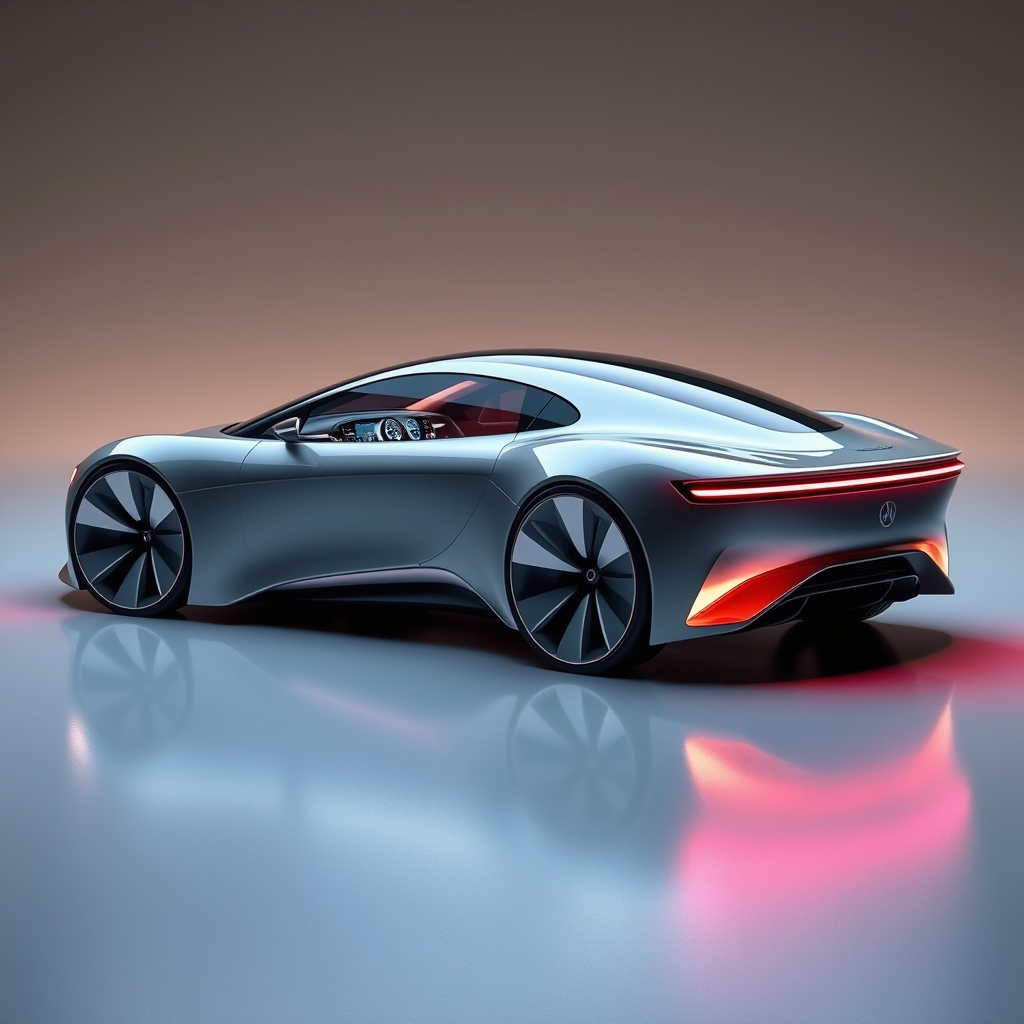
The automotive industry is on the brink of a revolution, driven by the convergence of cutting-edge technologies and a growing emphasis on sustainability. As we stand on the cusp of a new era, the focus is shifting from conventional design principles to innovative solutions that prioritize aerodynamic efficiency, sustainable materials, and user-centric experiences. This article delves into the transformative trends reshaping the automotive landscape, offering a glimpse into the future of vehicle design.
Aerodynamic Efficiency: The Key to Sustainable Mobility
Aerodynamic efficiency is a cornerstone of modern automotive design, directly impacting a vehicle’s fuel efficiency, emissions, and overall performance. Traditional design approaches often overlook the subtle nuances of airflow, leading to suboptimal performance. However, advancements in computational fluid dynamics (CFD) and wind tunnel testing are enabling designers to achieve unprecedented levels of aerodynamic efficiency.
Active Aerodynamics Systems
Active aerodynamics systems represent a significant leap forward in automotive technology. These systems dynamically adjust the vehicle’s shape to optimize airflow in real-time, responding to changes in speed, road conditions, and even weather. By integrating sensors and actuators, active aerodynamics systems can reduce drag, enhance downforce, and improve overall efficiency. This technology is not only enhancing performance but also contributing to a more sustainable future by minimizing energy consumption.
Biomimetic Vehicle Aesthetics
Nature has long been a source of inspiration for innovative design solutions. Biomimetic vehicle aesthetics draw inspiration from natural forms to create sleek, efficient, and visually appealing vehicles. By studying the aerodynamic properties of birds, insects, and marine life, designers can develop shapes that minimize drag and maximize efficiency. This approach not only enhances performance but also adds a touch of elegance to modern vehicles, appealing to both functional and aesthetic sensibilities.
Sustainable Interior Materials: Redefining Comfort and Eco-Friendliness
The interior of a vehicle is not just about aesthetics and comfort; it’s also a reflection of the vehicle’s overall sustainability. Traditional materials often pose environmental challenges, from resource depletion to disposal issues. However, the automotive industry is embracing sustainable interior materials that prioritize both performance and eco-friendliness.
Recyclable Body Composites
Recyclable body composites are revolutionizing the automotive industry by offering a sustainable alternative to traditional materials. These composites are made from a blend of natural fibers and biodegradable resins, making them fully recyclable at the end of their lifecycle. By incorporating recyclable body composites, manufacturers can reduce the environmental impact of vehicle production and disposal, contributing to a more sustainable future.
Human-Centric Lighting Design
Human-centric lighting design is transforming the interior of vehicles, creating a more comfortable and inviting environment. By understanding the human body’s natural responses to light, designers can create lighting systems that enhance mood, reduce eye strain, and improve overall well-being. From ambient lighting to task-specific illumination, human-centric lighting design is redefining the way we experience the interior of a vehicle.
Autonomous Cabin Design: The Future of User Experience
As autonomous vehicles become more prevalent, the design of the cabin is evolving to accommodate the needs of both drivers and passengers. Autonomous cabin design focuses on creating a seamless, intuitive, and enjoyable user experience, integrating advanced technologies such as augmented reality dashboards and holographic user interfaces.
Augmented Reality Dashboard
Augmented reality (AR) dashboards are transforming the way we interact with our vehicles. By overlaying digital information onto the physical world, AR dashboards provide drivers and passengers with real-time data, navigation instructions, and entertainment options. This technology not only enhances the driving experience but also reduces cognitive load by presenting information in a more intuitive and visually appealing format.
Holographic User Interface
Holographic user interfaces (HUIs) are pushing the boundaries of automotive design, creating a truly immersive and interactive experience. By projecting digital information onto a three-dimensional space, HUIs allow drivers and passengers to interact with the vehicle in a more natural and intuitive way. This technology is not only enhancing the driving experience but also opening up new possibilities for entertainment, communication, and information display.
The future of automotive design is a fascinating journey, driven by a combination of technological innovation and a growing emphasis on sustainability. From aerodynamic efficiency to sustainable materials, and from autonomous cabin design to advanced user interfaces, the automotive industry is embracing a new era of design that prioritizes both performance and eco-friendliness. As we look to the future, it’s clear that the automotive industry is poised to make a significant impact on the way we live and move, shaping the world we inhabit in ways we can only begin to imagine.