
The Harmony of Innovation: How Modular Engineering, Biomimetic Aesthetics, and Smart Interiors Are Redefining Automotive Futures
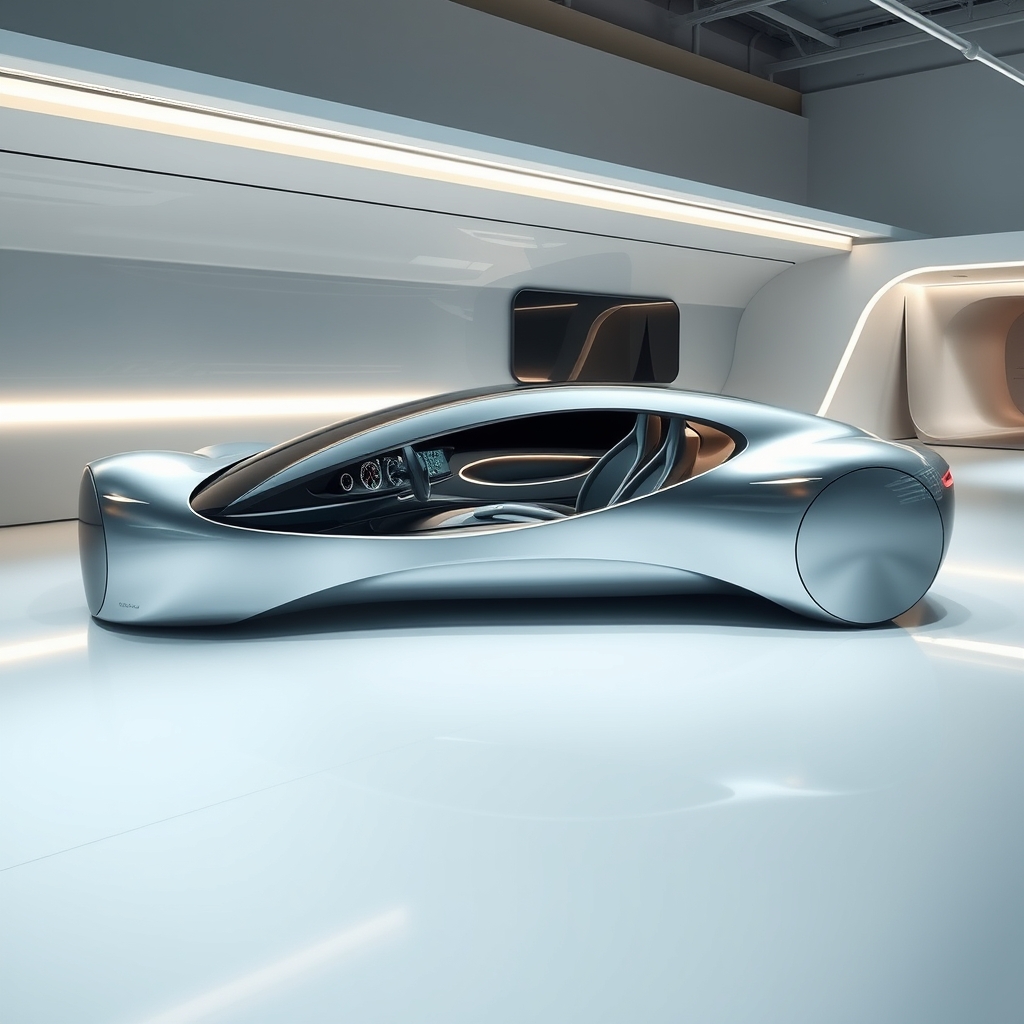
The automotive industry is undergoing a metamorphosis, where the boundaries between technology, sustainability, and design are not just blurring—they are dissolving entirely. At the heart of this transformation lies a trio of revolutionary concepts: modular platform engineering, biomimetic vehicle aesthetics, and smart interior innovations. Together, they are redefining what it means to create a vehicle that is not only efficient and sustainable but also deeply attuned to the needs and desires of its occupants.
The Foundation: Modular Platform Engineering
Modular platform engineering is the backbone of this new era in automotive design. By creating flexible, scalable architectures, manufacturers can now develop a single platform that serves as the foundation for multiple vehicle models. This approach is not just about cost efficiency; it’s about adaptability. A modular platform can accommodate everything from compact electric city cars to spacious autonomous shuttles, all while maintaining structural integrity and performance standards. Companies like Volkswagen with their MEB platform and Tesla with their unibody-frame integration have demonstrated how modular engineering can accelerate production cycles, reduce waste, and enable rapid innovation.
The true power of modularity lies in its ability to future-proof vehicles. As technology evolves, so too can the vehicle’s components. Need to upgrade the battery system for longer range? Swap in a new module. Want to integrate the latest autonomous driving sensors? The platform is designed to accommodate them. This flexibility ensures that vehicles remain relevant and competitive for years, if not decades, after they roll off the production line.
The Art of Nature: Biomimetic Vehicle Aesthetics
While modular engineering provides the structure, biomimetic design infuses vehicles with the elegance and efficiency of the natural world. Biomimicry—drawing inspiration from biological forms and processes—is not a new concept, but its application in automotive design has reached new heights. From the aerodynamic curves of a kingfisher’s beak to the lightweight strength of a honeycomb, nature offers a blueprint for innovation that is both beautiful and functional.
Take, for example, the way some concept cars mimic the streamlined bodies of marine animals to reduce drag and improve aerodynamic efficiency. Others incorporate textures inspired by shark skin to minimize air resistance or use structural patterns found in bones to enhance rigidity without adding weight. These designs are not just visually striking; they are a testament to how closely form and function can align when we look to nature as our guide.
Biomimetic aesthetics also extend to the emotional connection between driver and vehicle. A car that evokes the grace of a cheetah or the resilience of a beetle’s exoskeleton creates a sense of harmony and purpose. It’s a reminder that innovation doesn’t have to come at the expense of beauty—or the environment.
Smart Interiors: Where Technology Meets Humanity
Inside the cabin, the focus shifts to creating spaces that are not just smart, but deeply human-centric. The rise of autonomous driving has liberated designers to reimagine interiors as mobile living rooms, offices, or even sanctuaries. Minimalist dashboard layouts, seamless display integration, and augmented reality dashboards are replacing cluttered instrument panels, offering drivers and passengers a cleaner, more intuitive interface.
Human-centric lighting design plays a crucial role in this transformation. Adaptive lighting systems can adjust color temperature and intensity to match the time of day or the occupant’s mood, reducing eye strain and enhancing comfort. Smart glass technology further elevates the experience by allowing windows to tint dynamically, control glare, or even display augmented reality overlays for navigation or entertainment.
Sustainability is also a cornerstone of modern interior design. Recyclable body composites, sustainable upholstery materials like algae-based foams or pineapple leather, and modular seating systems that can be easily repaired or replaced are becoming standard. These innovations ensure that the vehicle’s interior is not only luxurious but also kind to the planet.
The Role of Generative Design and Digital Twins
Behind the scenes, generative design and digital twin prototyping are accelerating the pace of innovation. Generative design uses algorithms to explore thousands of potential design solutions based on specific parameters, such as weight reduction, material efficiency, or aerodynamic performance. This approach allows designers to uncover solutions that might never have been considered through traditional methods, leading to breakthroughs in lightweight structural design and recyclable body composites.
Digital twin prototyping takes this a step further by creating a virtual replica of a vehicle that can be tested and refined in a simulated environment. Engineers can assess how a car will perform under various conditions, from extreme weather to high-speed collisions, without the need for physical prototypes. This not only speeds up the development process but also reduces waste and costs, making it a cornerstone of sustainable automotive engineering.
The Road Ahead
The convergence of modular engineering, biomimetic aesthetics, and smart interiors is not just shaping the future of automotive design—it is redefining the very essence of mobility. Vehicles are no longer mere machines; they are extensions of our lifestyles, our values, and our aspirations. As technology continues to evolve, the possibilities are limitless. Imagine a car that not only drives itself but also adapts its interior layout based on your needs, or a vehicle that mimics the regenerative properties of a forest, capturing and reusing energy with every mile.
The journey toward this future is already underway, and it is one that promises to be as exhilarating as the destinations it will take us to. The road ahead is not just about getting from point A to point B—it’s about reimagining what it means to move through the world, with elegance, efficiency, and a deep respect for the planet we call home.